The 7 Golden Rules of Interior Design: The Science Behind Beautiful, Timeless Homes
Why Some Homes Feel Expensive Without Trying
You don’t always notice it right away—but some homes just feel right.
The lighting is soft, the furniture feels balanced, the colours flow naturally, and nothing looks forced. There’s no visual noise, no confusion—just calm, effortless design.
And then there are homes that feel “almost there,” even if everything inside is expensive.
The difference is not budget. It’s not trends. It’s not even furniture selection.
It’s something far more powerful: the 7 golden rules of interior design—the foundational principles that designers use to create spaces that feel intentional, balanced, and timeless.
Once you understand them, you stop decorating randomly and start designing with clarity.
1. Design Starts with Behaviour, Not Aesthetics
Great interiors don’t begin with colours or furniture—they begin with how you live.
Before anything else, designers study movement, habits, and daily routines:
- Where do people naturally sit?
- What areas get cluttered first?
- How does the space function at different times of the day?
A beautiful home that doesn’t support your lifestyle will always feel incomplete.
That’s why professional home interior design always prioritises flow and usability before visual styling.
Rule: If a space doesn’t make your life easier, it isn’t well designed yet.
2. Every Space Needs Visual Hierarchy
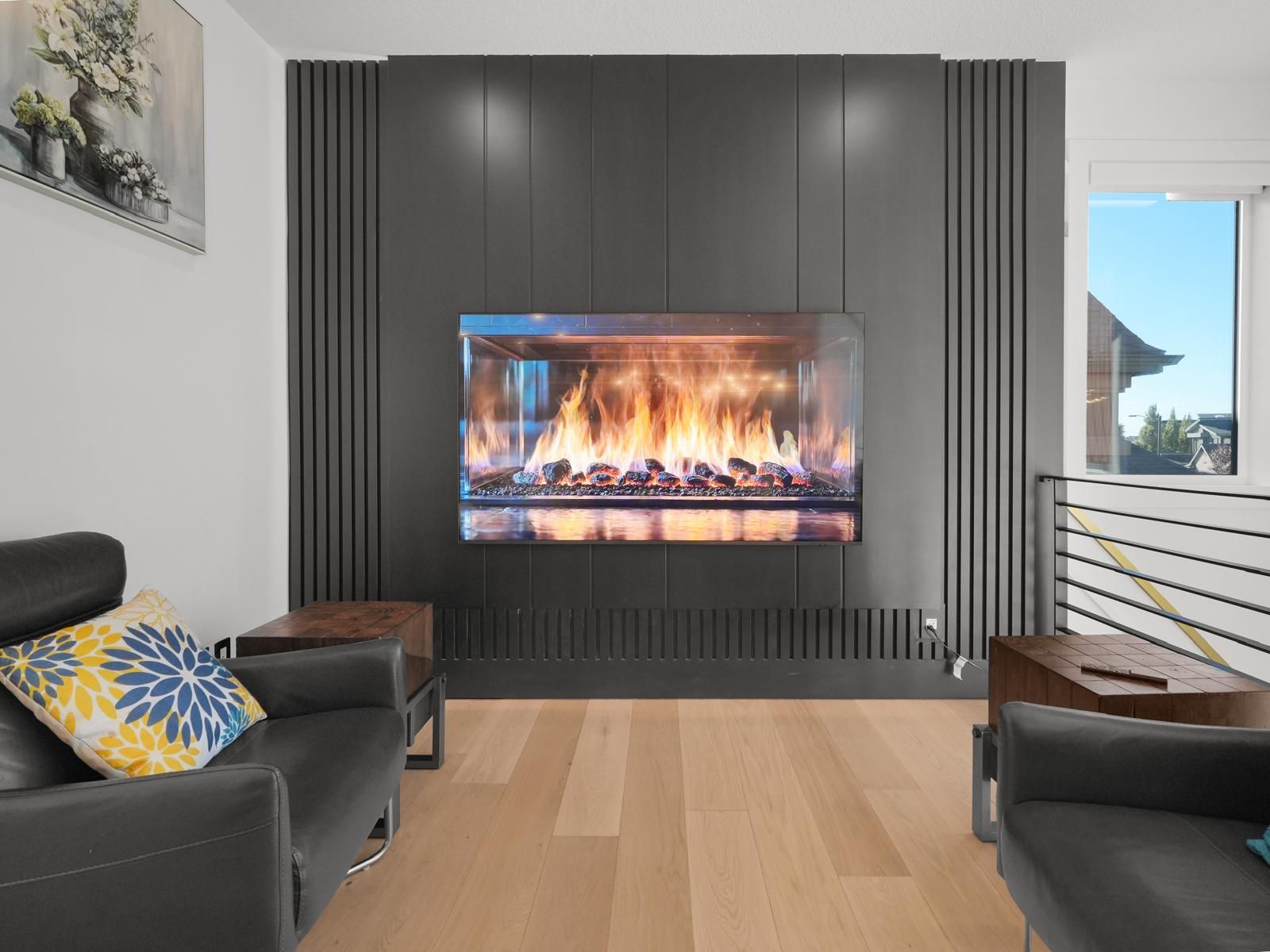
One of the secrets behind luxury interiors is something called visual hierarchy—your eyes must know exactly where to look first.
That “first glance impact” comes from a focal point.
It could be:
- A statement sofa
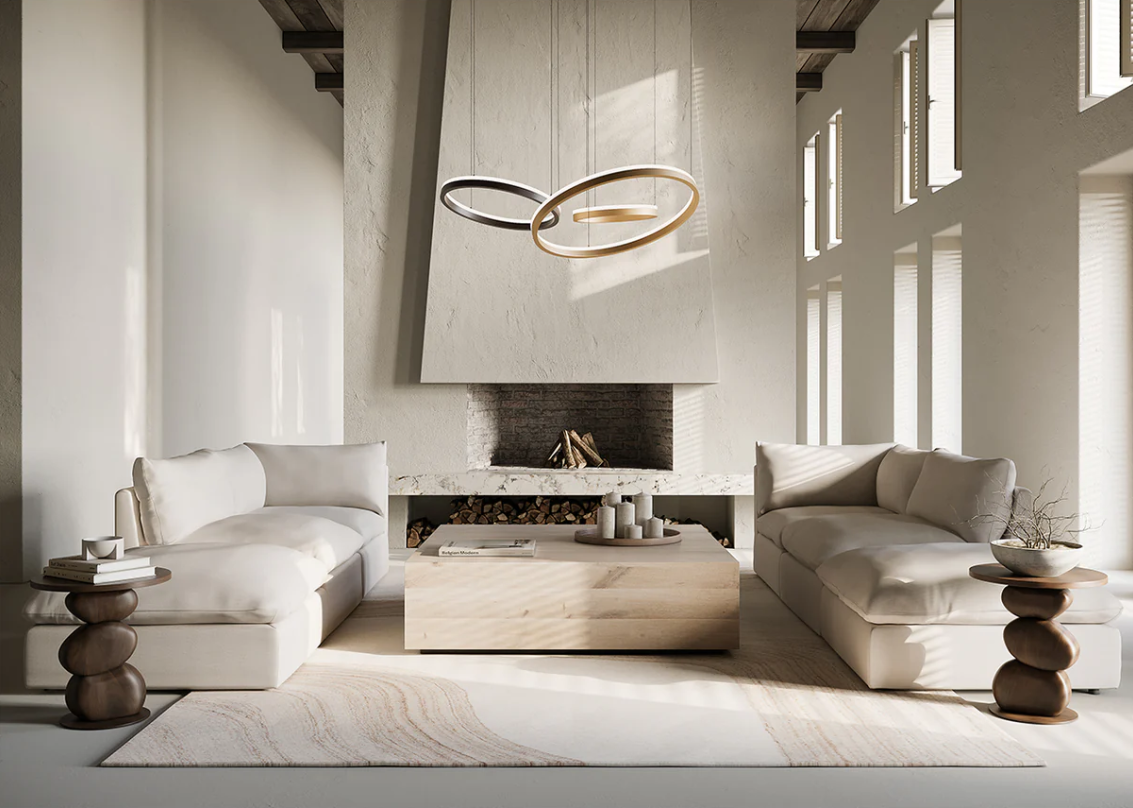
- Architectural lighting
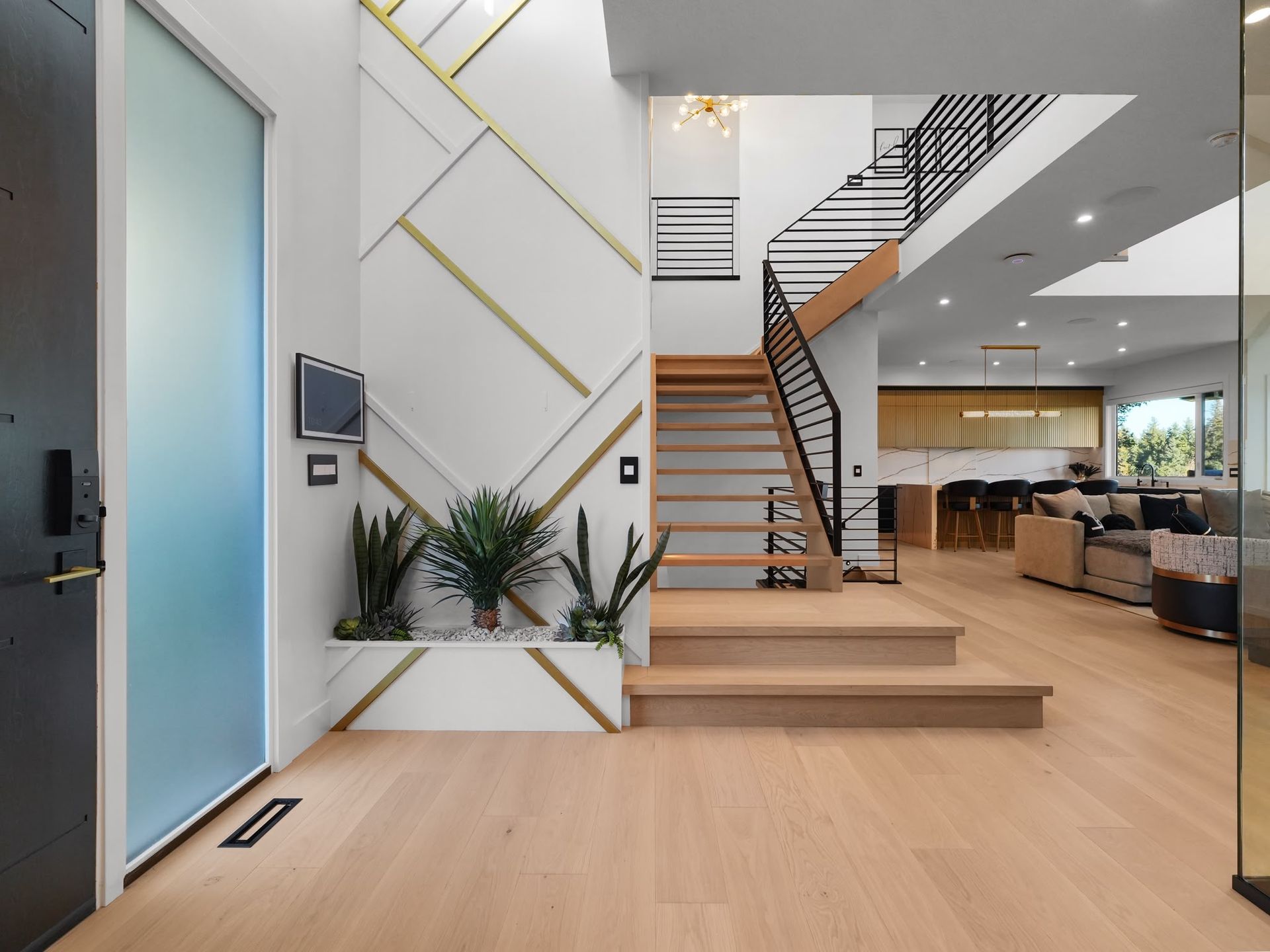
- A feature wall
- Oversized artwork
- A custom-designed unit
Without hierarchy, everything competes for attention—and the room feels chaotic.
Rule: A room should have one hero, not five.
3. Colour Should Flow Like a Language
One of the most overlooked interior design principles is colour continuity.
Luxury homes don’t use random shades in every room—they build a visual language.
A strong palette follows the 60-30-10 rule:
- 60% dominant base tone
- 30% supporting shade
- 10% accent colour
But beyond formula, the real goal is emotional consistency—calm, warmth, contrast, or richness depending on the mood you want.
Rule: Your home should feel like one story, not separate chapters.
4. Scale Is More Powerful Than Style
You can have expensive furniture and still get the room wrong if proportions are off.
Scale is what makes interiors feel “designer.”
Examples:
- A large sofa in a small room = overwhelming
- Tiny décor in a large room = unfinished
- Wrong rug size = visual imbalance
Good designers constantly adjust proportions until everything feels naturally grounded.
Rule: Fit matters more than style.
5. Lighting Is the Silent Architect of a Home
Lighting doesn’t just brighten a space—it defines its mood, depth, and personality.
Professional designers always layer lighting:
- Ambient: overall illumination
- Task: reading, cooking, working
- Accent: highlighting textures and features
Warm lighting enhances luxury because it softens edges and adds depth.
Rule: A poorly lit luxury home never looks luxurious.
6. Texture Creates Emotional Depth
Flat interiors feel expensive but lifeless. Textured interiors feel alive.
Texture is what your eyes and body respond to:
- Linen feels soft and natural
- Wood feels grounded
- Marble feels premium
- Metal feels structured
- Fabric adds warmth
When layered correctly, texture replaces the need for excessive décor.
Rule: Luxury is often felt, not seen.
7. Negative Space Is a Design Element
Empty space is not wasted space—it is intentional space.
This is where most non-designed homes fail.
Professional interiors always include breathing room:
- Not every wall is filled
- Not every shelf is styled
- Not every corner is used
Negative space gives clarity, calmness, and focus to the design.
Rule: What you leave empty is as important as what you decorate.
Bonus Insight: Why Designer Homes Feel Different
If you remove everything expensive from a luxury home, it still feels expensive.
Why?
Because designers focus on:
- Flow over furniture
- Balance over decoration
- Light over objects
- Emotion over trends
That’s what creates timeless interiors.
Common Interior Design Mistakes That Break These Rules
Even well-designed spaces lose impact when:
- Furniture is placed without layout planning
- Too many colours are used in one room
- Lighting is ignored or too harsh
- Rugs and furniture are mismatched in scale
- Décor is added without purpose
- Every surface is filled
These mistakes interrupt visual harmony—the core of good design.
Final Thoughts
The 7 golden rules of interior design are not about restrictions—they are about clarity.
When you understand how space, scale, colour, lighting, and texture work together, you stop decorating randomly and start designing intentionally.
That’s when a home shifts from “just beautiful ” to effortlessly luxurious.
Because truly great interiors don’t try too hard.
They simply feel right the moment you walk in.
Share This Blog