Can Interior Design Improve Your Mood? The Surprising Connection Between Your Space and Your Well-Being
Have you ever walked into a room and instantly felt relaxed? Or stepped into a cluttered, poorly lit space and suddenly felt exhausted for no reason?
That’s not your imagination.
The spaces we spend time in have a powerful impact on how we think, feel, and function every day. In fact, one of the biggest interior design trends of 2026 isn’t about luxury furniture or expensive décor—it’s about creating spaces that support mental well-being.
So, can interior design improve your mood?
The short answer: absolutely.
At Flaunt Interiors, we believe great design isn’t just about creating beautiful spaces. It’s about creating spaces that make you feel good the moment you walk through the door.
Your Home Affects You More Than You Think
Think about how much time you spend indoors.
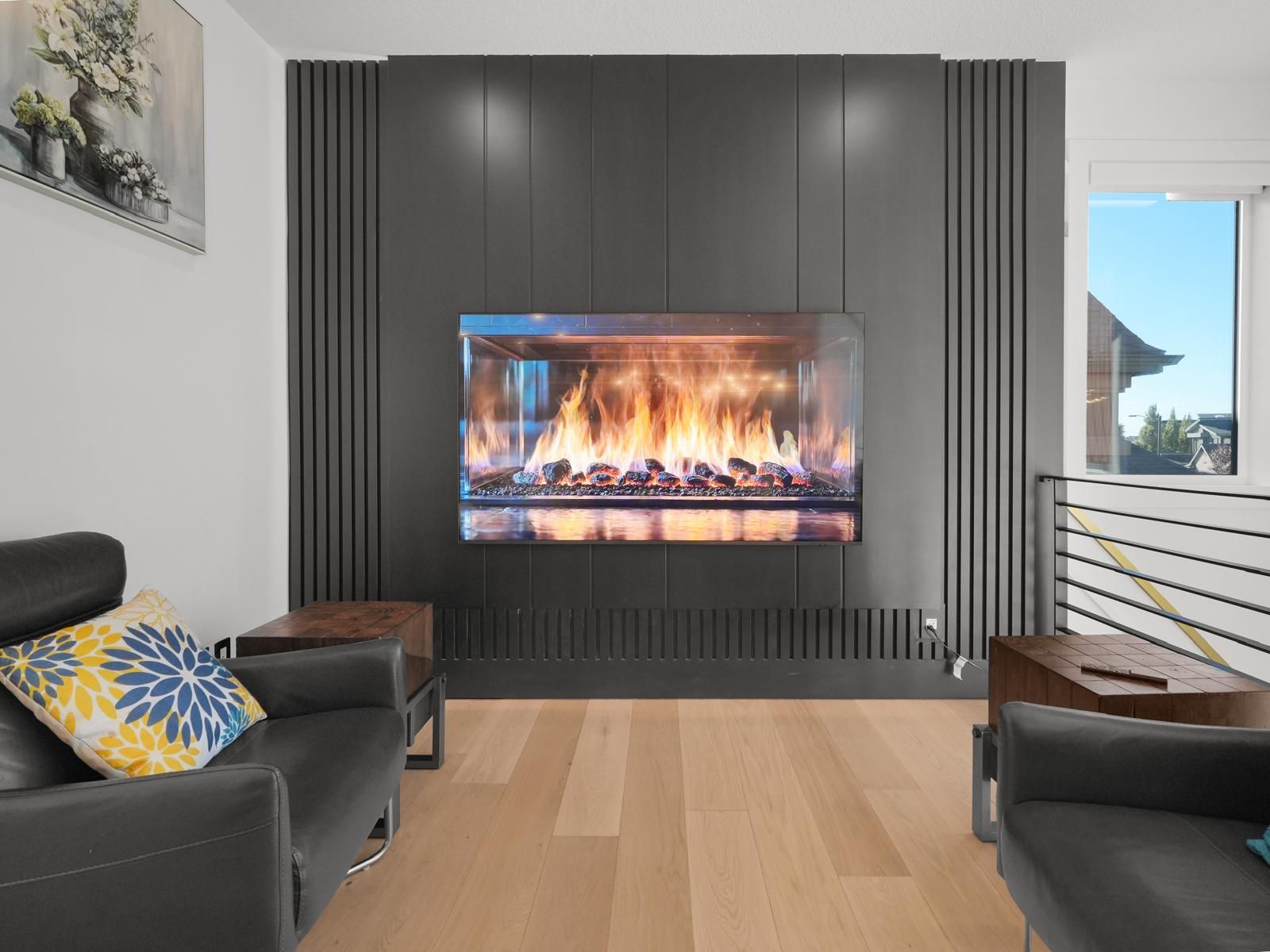
Your home is where you wake up, work, relax, entertain, and recharge. The colors, lighting, layout, and overall atmosphere surrounding you can directly influence your mood and energy levels.
A dark, cluttered room can feel overwhelming.
A bright, thoughtfully designed space can feel calming, inspiring, and welcoming.
That’s why modern interior design is increasingly focused on wellness, comfort, and emotional connection—not just aesthetics.
The Power of Color Psychology in Interior Design
One of the most fascinating aspects of interior design is how color affects emotions.
Different shades can create completely different experiences within a space.
- Soft blues often feel calming and peaceful
- Earthy greens promote balance and relaxation
- Warm neutrals create comfort and warmth
- Yellow tones can encourage positivity and energy
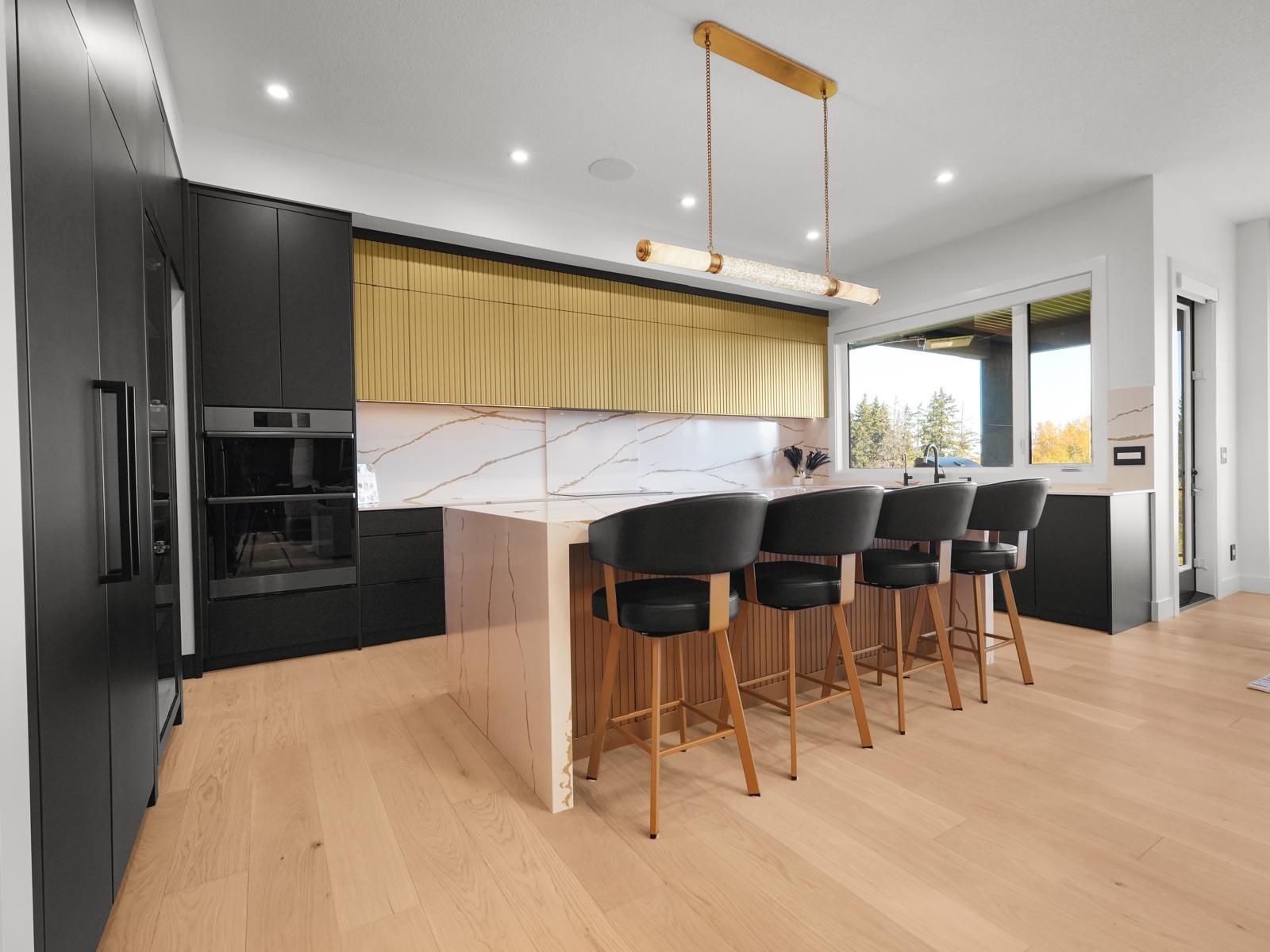
- Dark, rich colors can add a sense of luxury and coziness
Choosing the right color palette isn’t just about matching furniture—it’s about creating the mood you want to live in every day.
Lighting Can Change Everything
Ever notice how a room feels completely different during the day versus at night?
Lighting plays a huge role in emotional well-being.
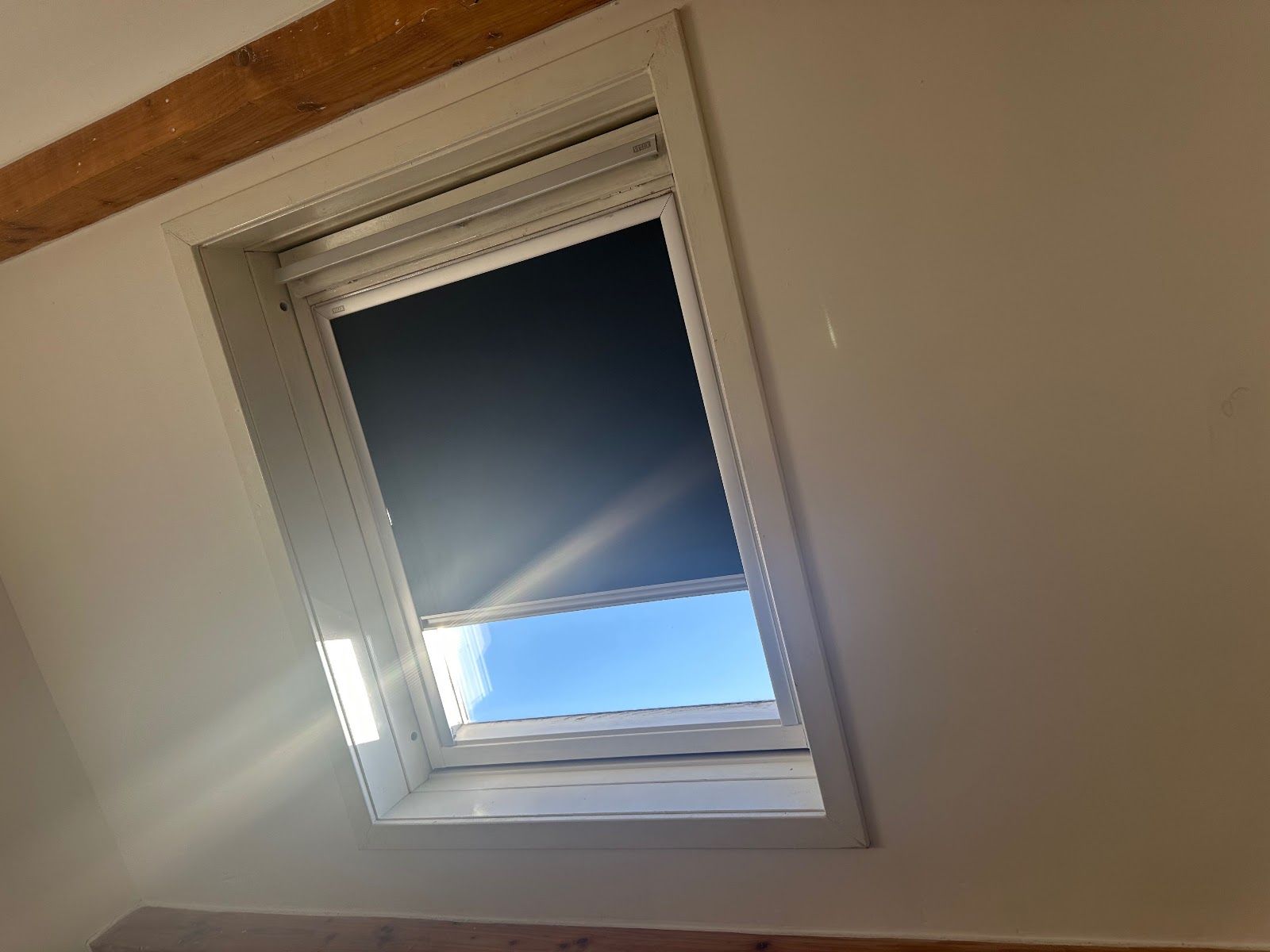
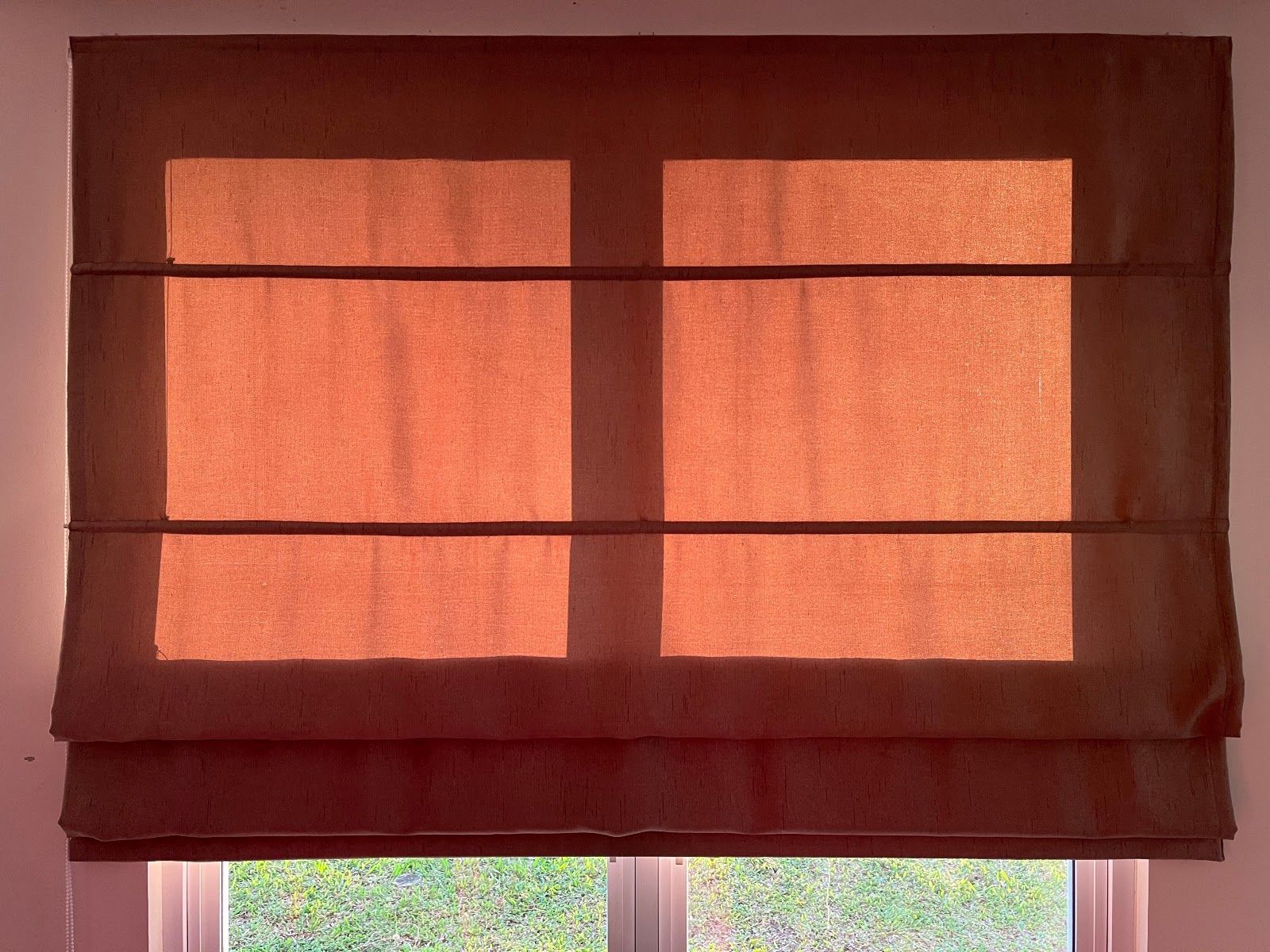
Natural light can help boost mood, improve focus, and make spaces feel more inviting. Layered lighting, warm-toned fixtures, and thoughtfully placed lamps can also create a cozy atmosphere once the sun goes down.
A beautiful room with poor lighting is like a great movie with terrible sound—you know something important is missing.
Clutter Creates Stress
We’ve all experienced it.
You walk into a messy room and immediately feel overwhelmed.
While perfection isn’t necessary, organized spaces often feel calmer and more manageable.
Modern interior design focuses on:
- Smart storage solutions
- Functional layouts
- Multifunctional furniture
- Intentional organization
The goal isn’t to create a showroom. It’s to create a home that supports your daily life without adding unnecessary stress.
Bringing Nature Indoors
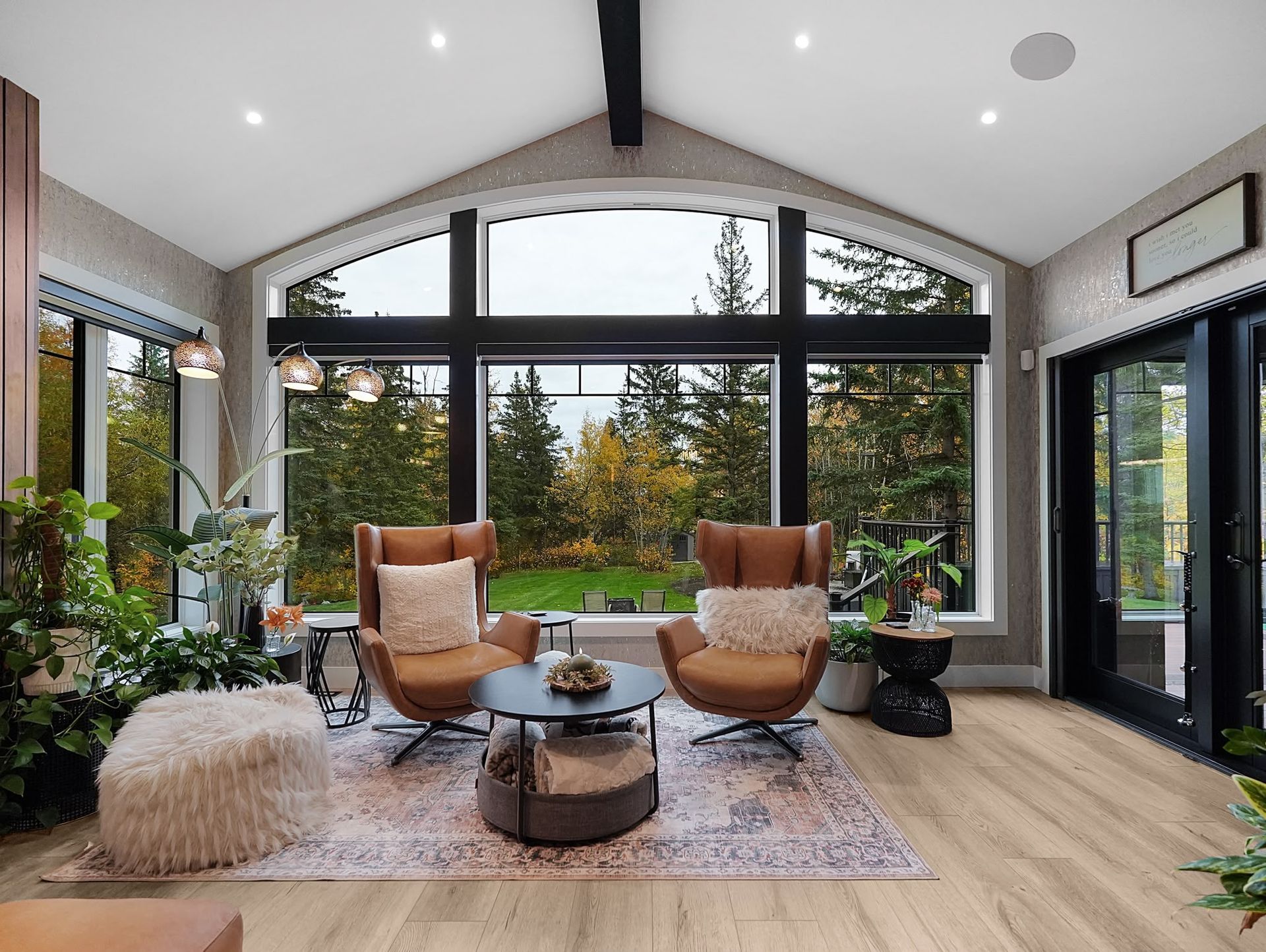
One of the fastest-growing trends in wellness-focused interiors is biophilic design—the practice of connecting indoor spaces with nature.
Simple additions like:
- Indoor plants
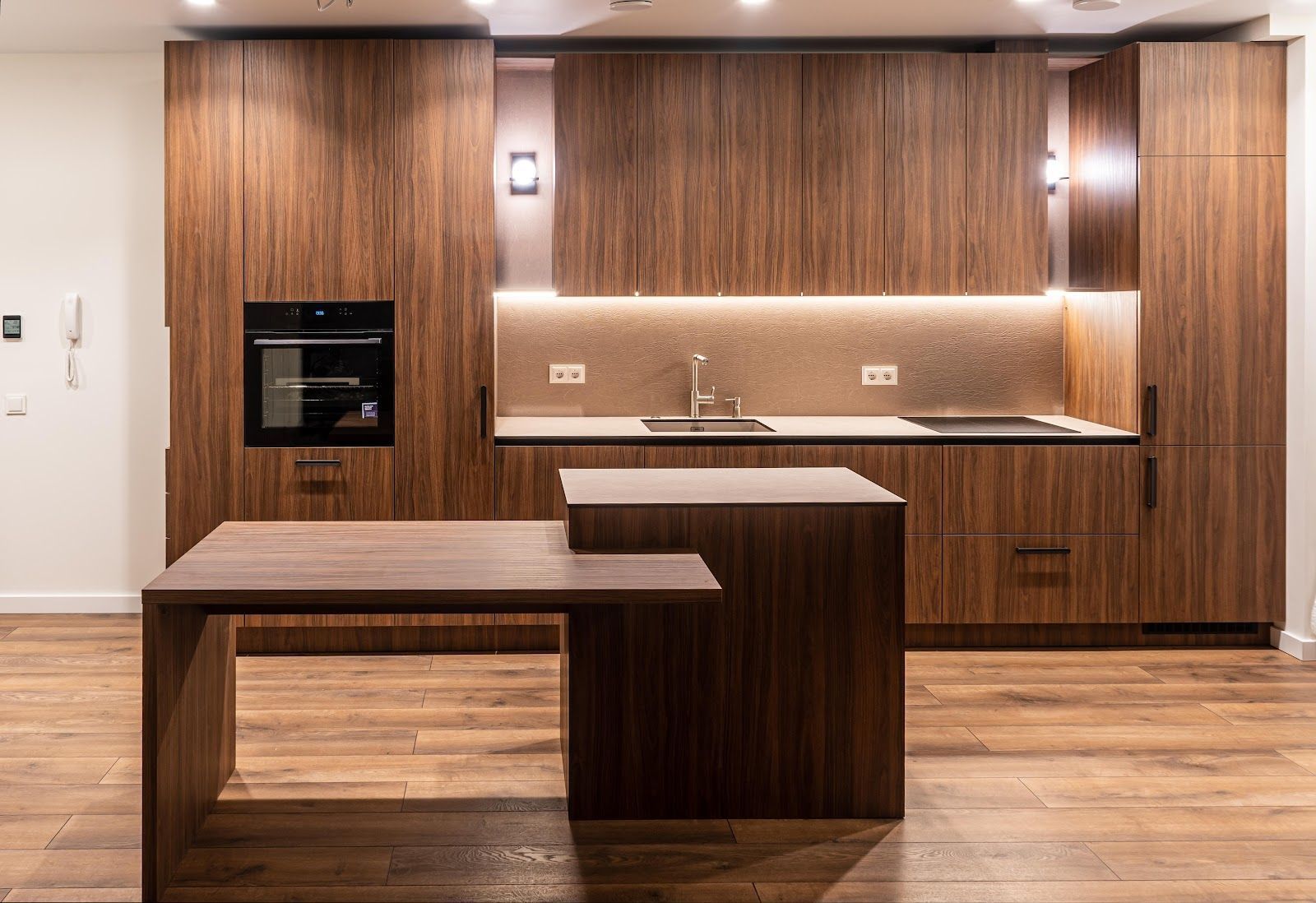
- Natural wood finishes
- Stone textures
- Large windows
- Organic materials
can help create a more peaceful and restorative environment.
Sometimes, a little greenery can do more for a room than an entire shopping spree.
Designing Spaces That Support Your Lifestyle
The most successful interiors aren’t designed around trends alone. They’re designed around the people who live in them.
A family home should feel functional and welcoming.
A home office should support productivity and focus.
A bedroom should encourage rest and relaxation.
When design aligns with lifestyle, everyday routines become more enjoyable and less stressful.
Why Wellness-Focused Interiors Are Trending in 2026
Homeowners today are looking for more than beautiful spaces.
They want interiors that:
- Reduce stress
- Improve comfort
- Support productivity
- Encourage relaxation
- Enhance overall well-being
This shift has made wellness-focused interior design one of the most important trends shaping modern homes.
Because at the end of the day, the best-designed spaces aren’t the ones that simply look good—they’re the ones that make you feel good.
Final Thoughts
So, can interior design improve your mood?
Absolutely.
From color psychology and lighting to organization and natural elements, every design choice influences how a space feels and how you experience it.
At Flaunt Interiors, we believe your home should do more than impress visitors. It should support your lifestyle, reflect your personality, and create an environment where you can truly thrive.
Because good design isn’t just something you see—it’s something you feel.
Share This Blog