Does Vastu Really Affect Interior Design?
When people start designing or renovating their homes, one question often comes up:
“Should we follow Vastu while designing our interiors?”
Some people believe strongly in it, while others see it simply as a traditional concept. But one thing is certain—many homeowners today want their homes to feel beautiful, comfortable, and positive at the same time.
At Faunt Interiors & Real Estate, we often hear clients ask whether Vastu really affects interior design. The truth is, Vastu isn’t about superstition or strict rules. It’s about creating balance between your living space and natural elements so that your home feels calm, functional, and welcoming.
Let’s explore what Vastu really means for modern interiors and whether it truly influences the way a home is designed.
Understanding the Concept of Vastu
Vastu is rooted in Vastu Shastra, an ancient Indian architectural philosophy that focuses on creating harmony between humans and their environment.
The concept revolves around balancing the five natural elements:
- Earth
- Water
- Fire
- Air
- Space
When these elements are balanced within a home’s layout and design, the space is believed to promote positivity, comfort, and well-being.
While traditional Vastu principles were applied to architecture and building structures, many of its ideas can also influence interior design choices today.
Why Vastu Still Matters in Modern Interior Design
Interior design today isn’t just about aesthetics. It’s about how a space feels and functions.
Interestingly, many Vastu principles align with modern design practices. For example:
- Keeping spaces open and clutter-free
- Allowing natural light into the home
- Ensuring proper air circulation
- Placing furniture in a way that supports easy movement
These design choices naturally create homes that feel comfortable and balanced, which is exactly what Vastu aims to achieve.
So in many ways, Vastu works alongside good design principles rather than against them.
How Vastu Influences Interior Design
Even small design decisions can affect the energy and functionality of a space. Here are a few areas where Vastu principles often play a role.
1. Space Planning and Layout
A well-designed layout allows energy, light, and movement to flow freely through the home.
For example, avoiding overcrowded rooms or blocking doorways with furniture helps create spaces that feel open and inviting.
From a design perspective, this also improves comfort and usability.
2. Natural Light and Ventilation
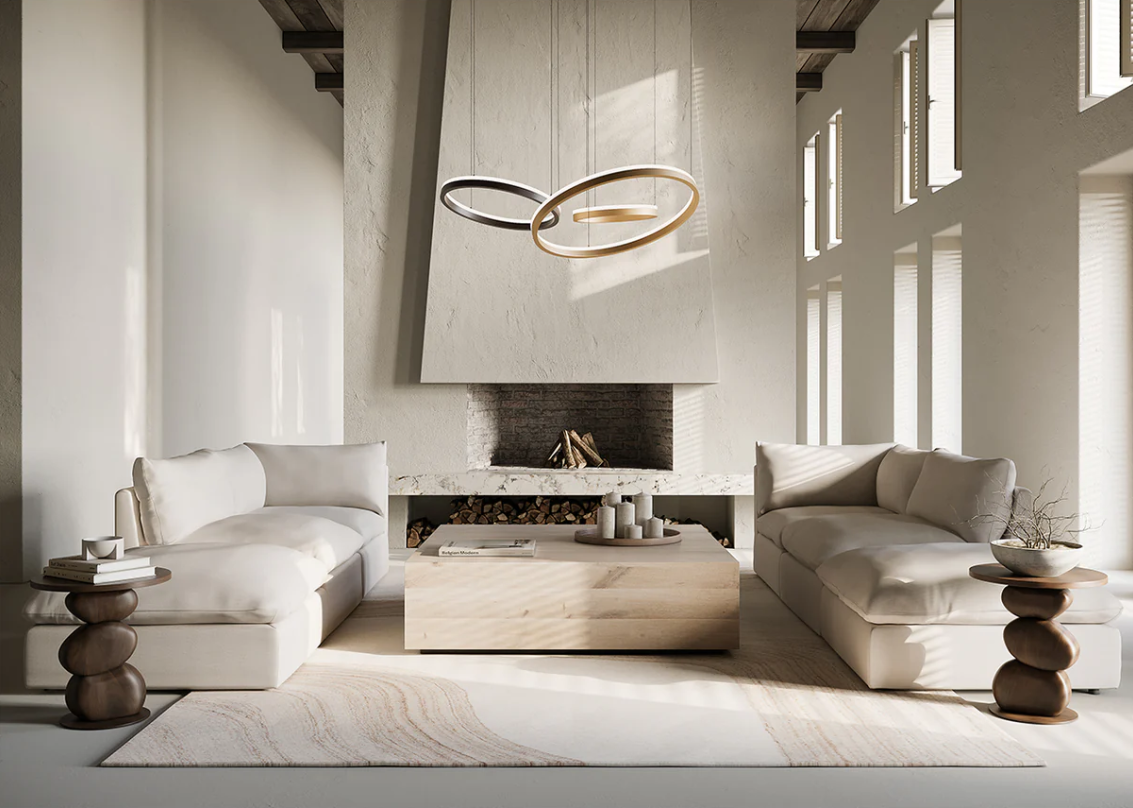
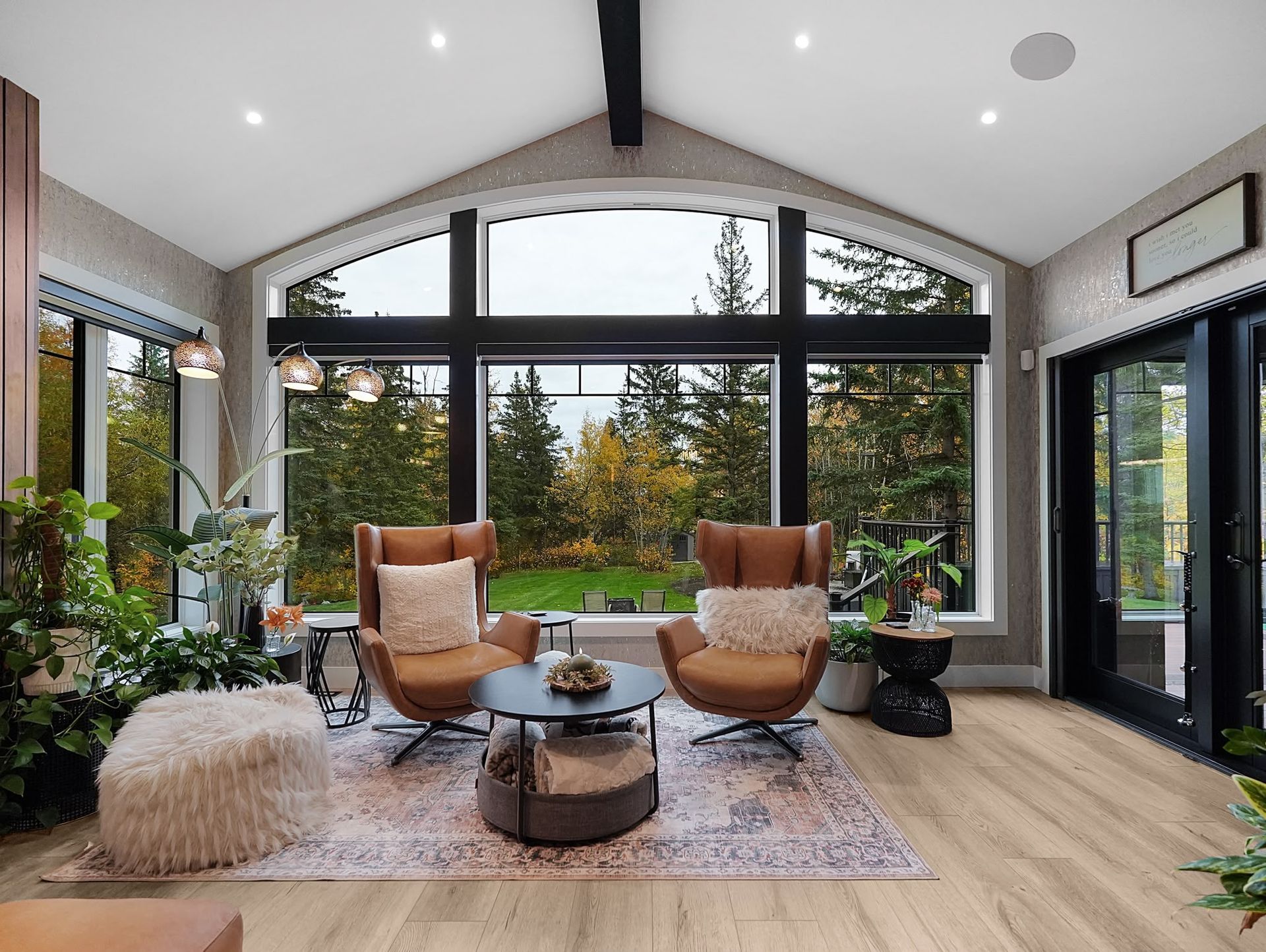
Homes that receive plenty of natural light tend to feel more vibrant and uplifting.
Large windows, open spaces, and thoughtful placement of mirrors can help bring light deeper into a room. Not only does this align with Vastu ideas, but it also enhances the overall look and mood of a home.
3. Furniture Placement
Furniture placement is an important part of both Vastu and interior design.
Strategically placed furniture ensures:
- Comfortable movement around the room
- Clear pathways
- Balanced visual design
A room that feels organized and well-planned naturally creates a sense of calm.
4. Colors and Materials
Color psychology plays a big role in how we experience a space.
Soft, natural colors often create a peaceful atmosphere, while extremely dark or heavy tones may make rooms feel smaller or heavier.
Designers often choose colors carefully to create the right mood for each room.
5. Clutter-Free Living Spaces
One of the simplest yet most effective ideas from Vastu is keeping spaces organized and clutter-free.
A tidy environment not only looks better but also makes daily life easier. Clean and organized spaces tend to reduce stress and improve overall comfort in the home.
Vastu and Modern Interior Design: Can They Work Together?
Absolutely.
Modern interior design focuses on functionality, comfort, and aesthetics, while Vastu emphasizes balance and harmony. When combined thoughtfully, these two approaches can complement each other beautifully.
Instead of following rigid rules, many designers today use Vastu as a guiding philosophy—helping clients create spaces that feel peaceful and well-balanced without compromising modern style.
The Real Goal: A Home That Feels Right
At the end of the day, interior design is about creating spaces that reflect your lifestyle and personality.
Some homeowners prefer to follow Vastu closely, while others simply incorporate a few elements that improve balance and comfort. Both approaches can lead to beautiful results.
The most important thing is designing a home that feels welcoming, functional, and relaxing for the people who live in it.
Designing Balanced Homes with Just Flaunt Interiors
At Flaunt Interiors & Real Estate, we believe that great interiors go beyond visual appeal. A well-designed home should also feel calm, organized, and uplifting.
By combining thoughtful design with practical planning—and when desired, incorporating ideas inspired by Vastu Shastra—we help homeowners create spaces that truly support their lifestyle.
Because when design and balance come together, a house doesn’t just look beautiful.
It feels like home.
Share This Blog