The Details You Don’t See Are the Ones You Feel: The Art of Thoughtful Interior Design
Have you ever stepped into a home that felt beautiful without being particularly extravagant? Nothing seemed out of place. The furniture felt right, the lighting was effortless, and the entire space had a sense of harmony that was difficult to explain.
That feeling is rarely accidental.
Behind every thoughtfully designed interior are decisions that often go unnoticed but make all the difference. From the distance between furniture to the way natural light moves through a room, these subtle details shape how a space looks, functions, and feels.
At Flaunt Interiors, we believe exceptional interior design isn't simply about what catches the eye. It's about everything that comes together to create an experience.
The Difference Between Looking Good and Feeling Right
A room can have beautiful furniture, carefully selected colours, and expensive finishes yet still feel uncomfortable. Why? Because individual elements don't automatically create a cohesive space.
Interior design is about understanding the relationship between those elements.
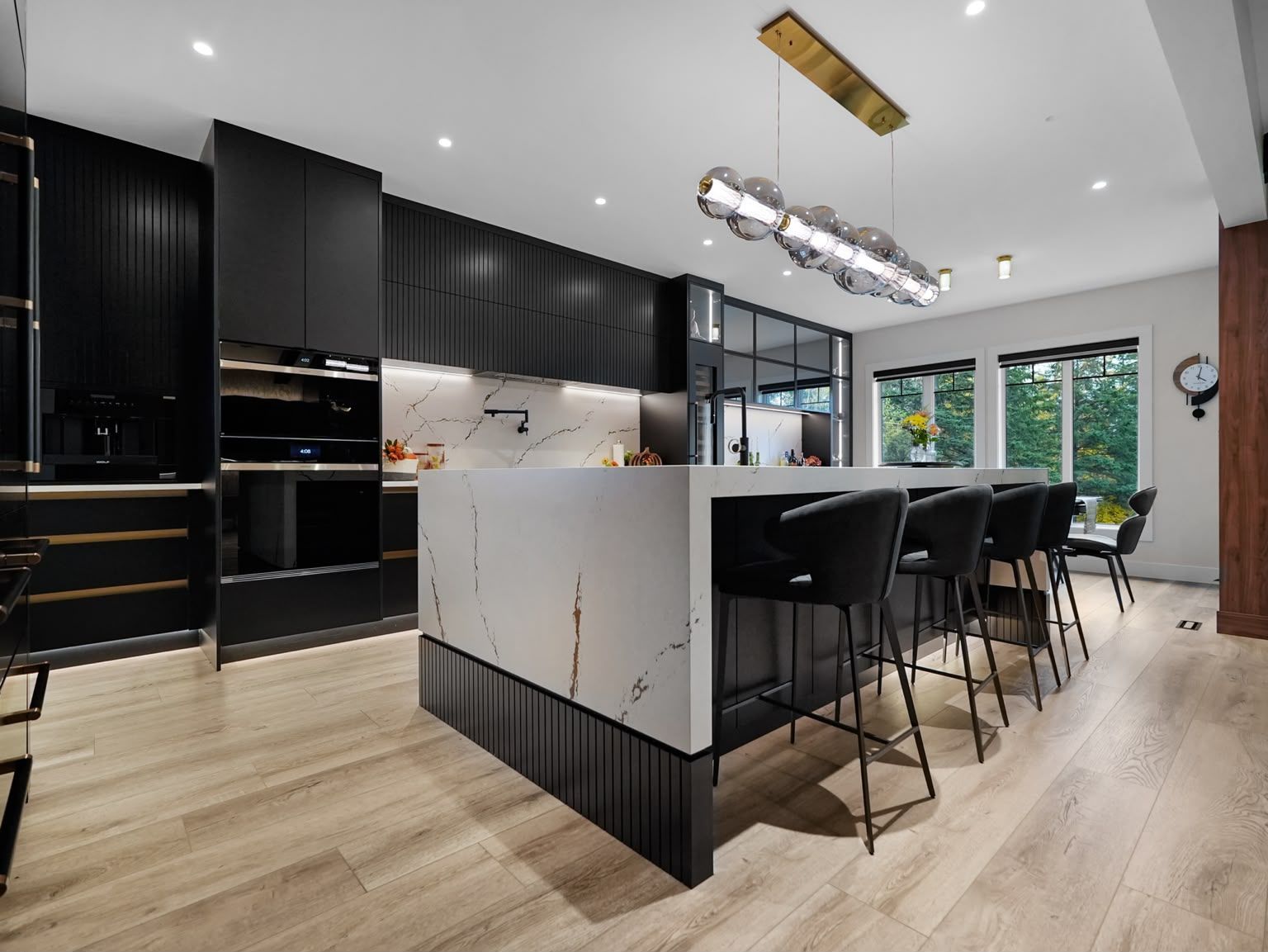
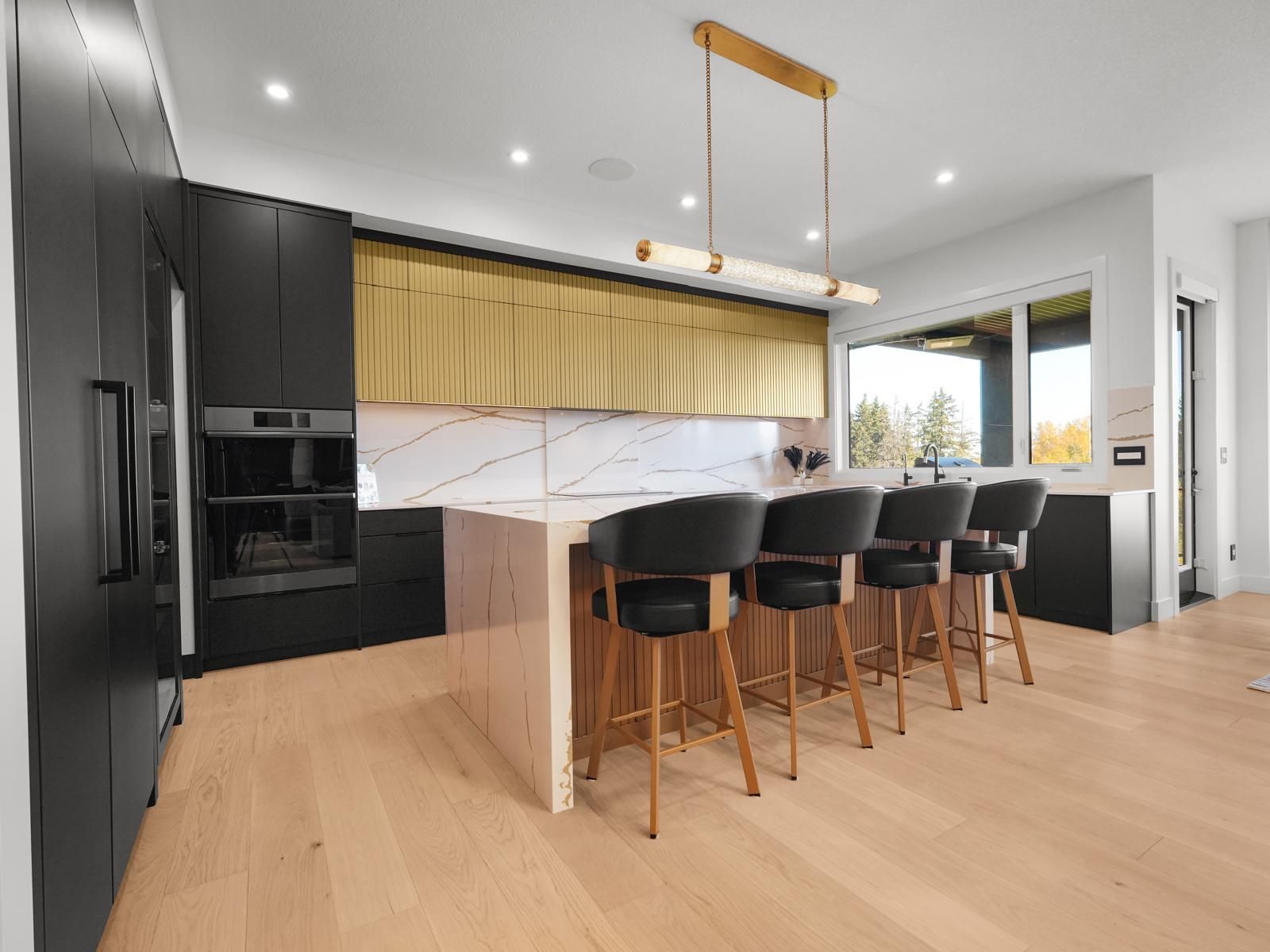
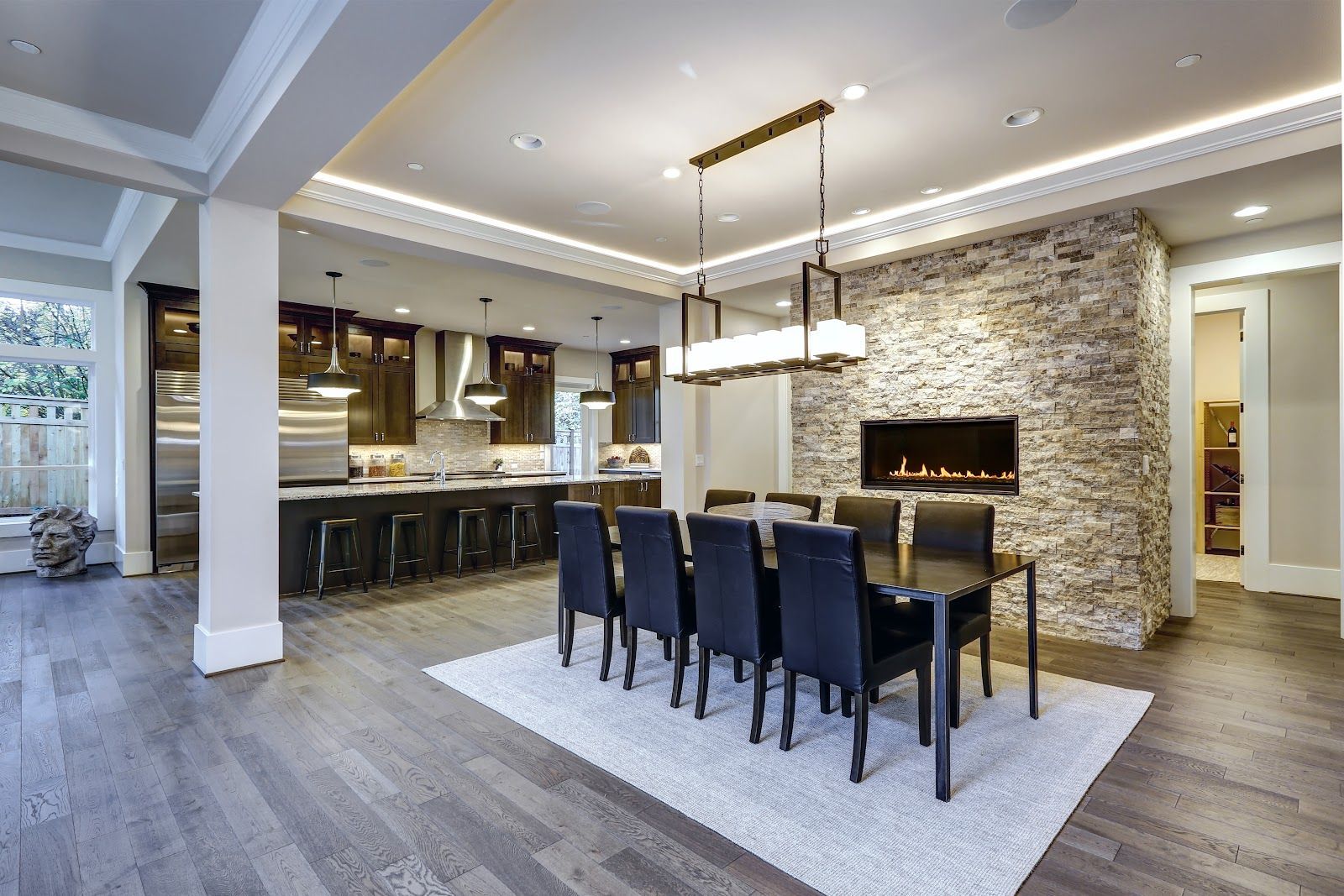
A sofa might be beautiful on its own, but its size and placement determine how well it works in the room. A statement chandelier may look impressive, but its scale and positioning affect the overall balance. Even the amount of open space between furnishings can influence whether a room feels inviting or crowded.
These decisions are easy to overlook when considered individually. Together, they determine whether a room simply looks decorated or feels thoughtfully designed.
Five Design Decisions That Quietly Transform a Space
1. The Space Between Things
One of the most overlooked aspects of interior design is knowing when to leave space empty.
There is often a temptation to fill every corner, decorate every surface, or add another statement piece. Yet visual breathing room allows furniture, artwork, and architectural details to stand out.
A carefully edited room can feel more sophisticated than one filled with beautiful objects competing for attention. The goal isn't to have less for the sake of minimalism. It's to give everything a purpose.
2. Lighting That Does More Than Illuminate
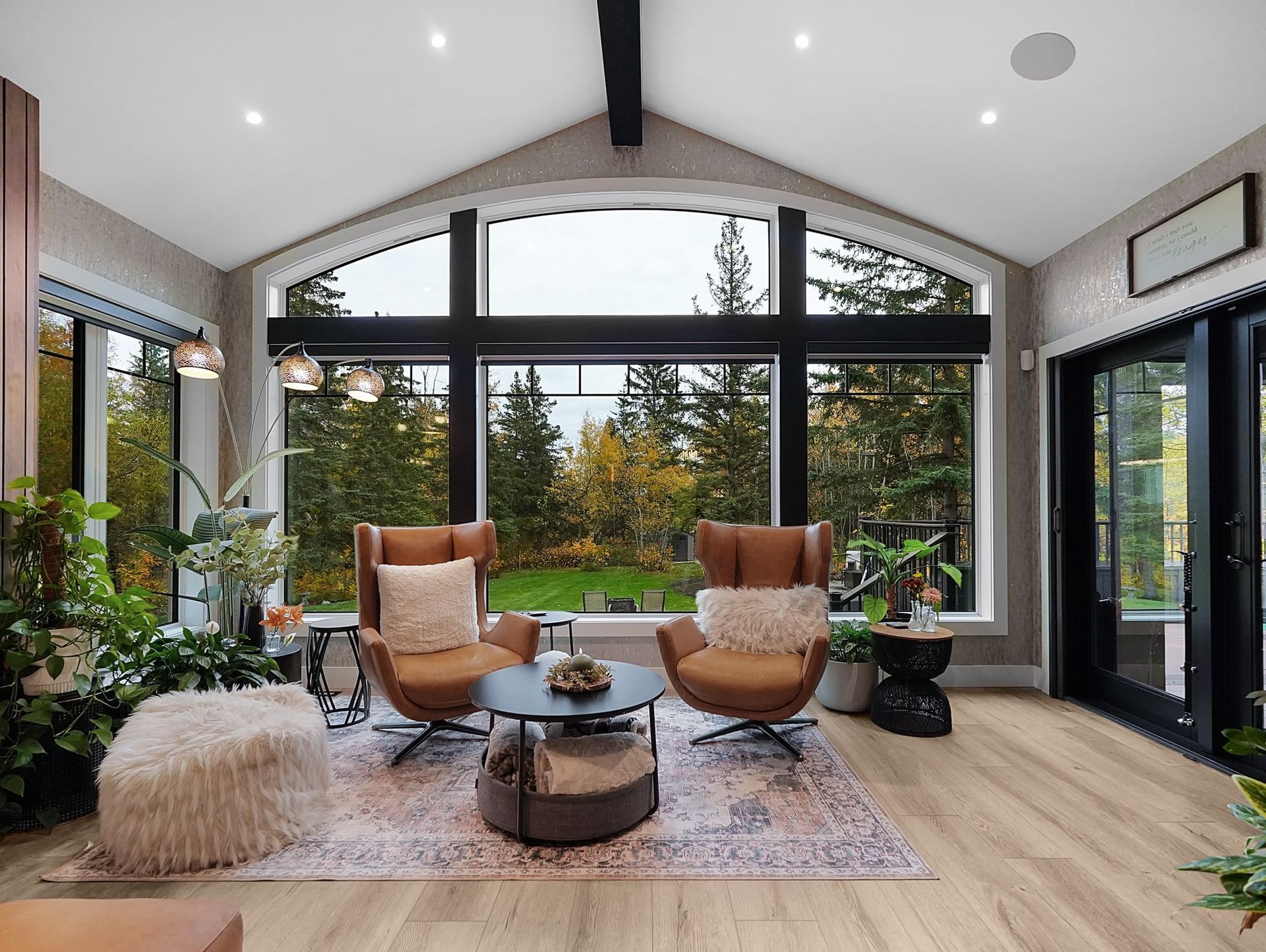
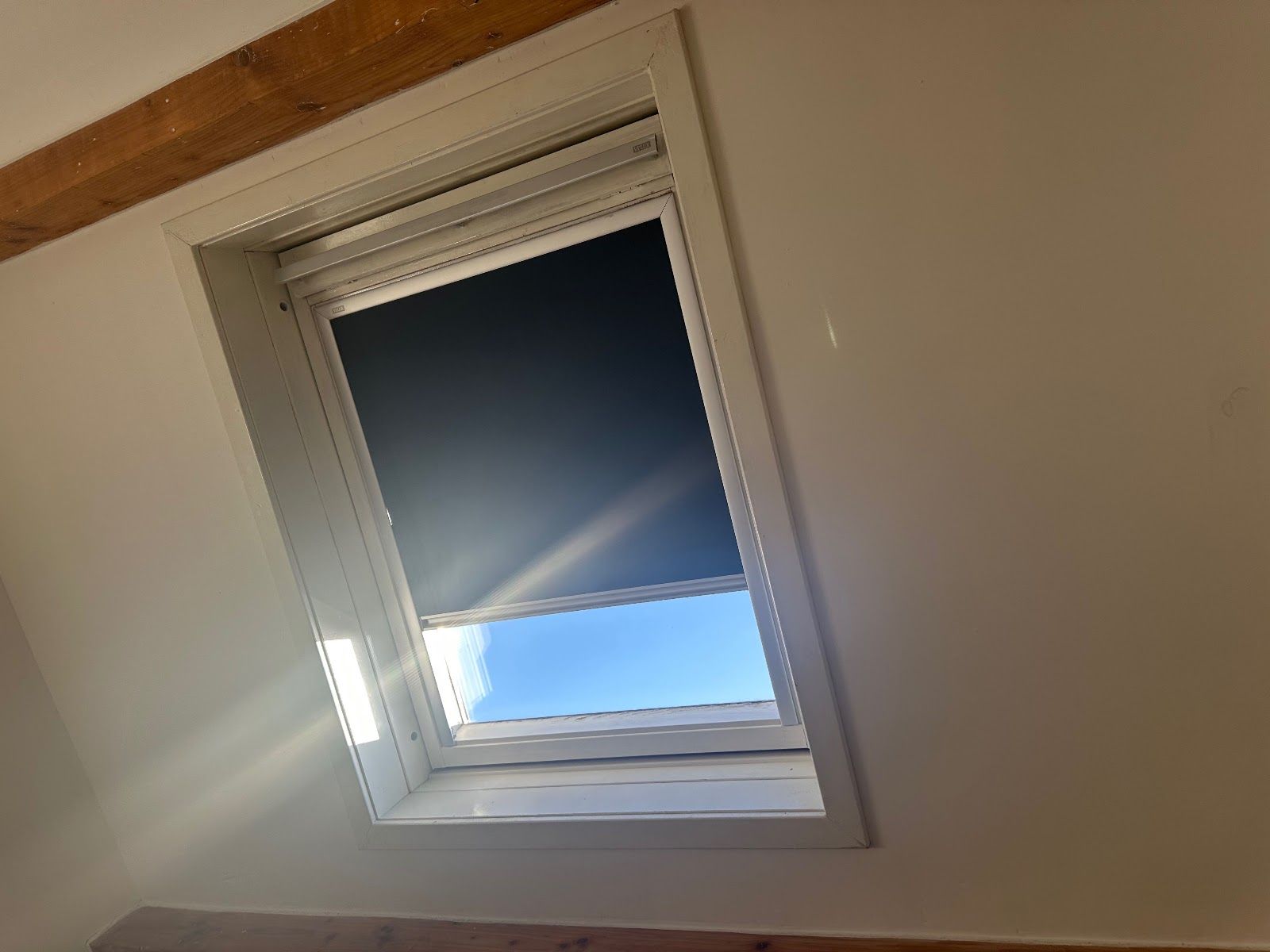
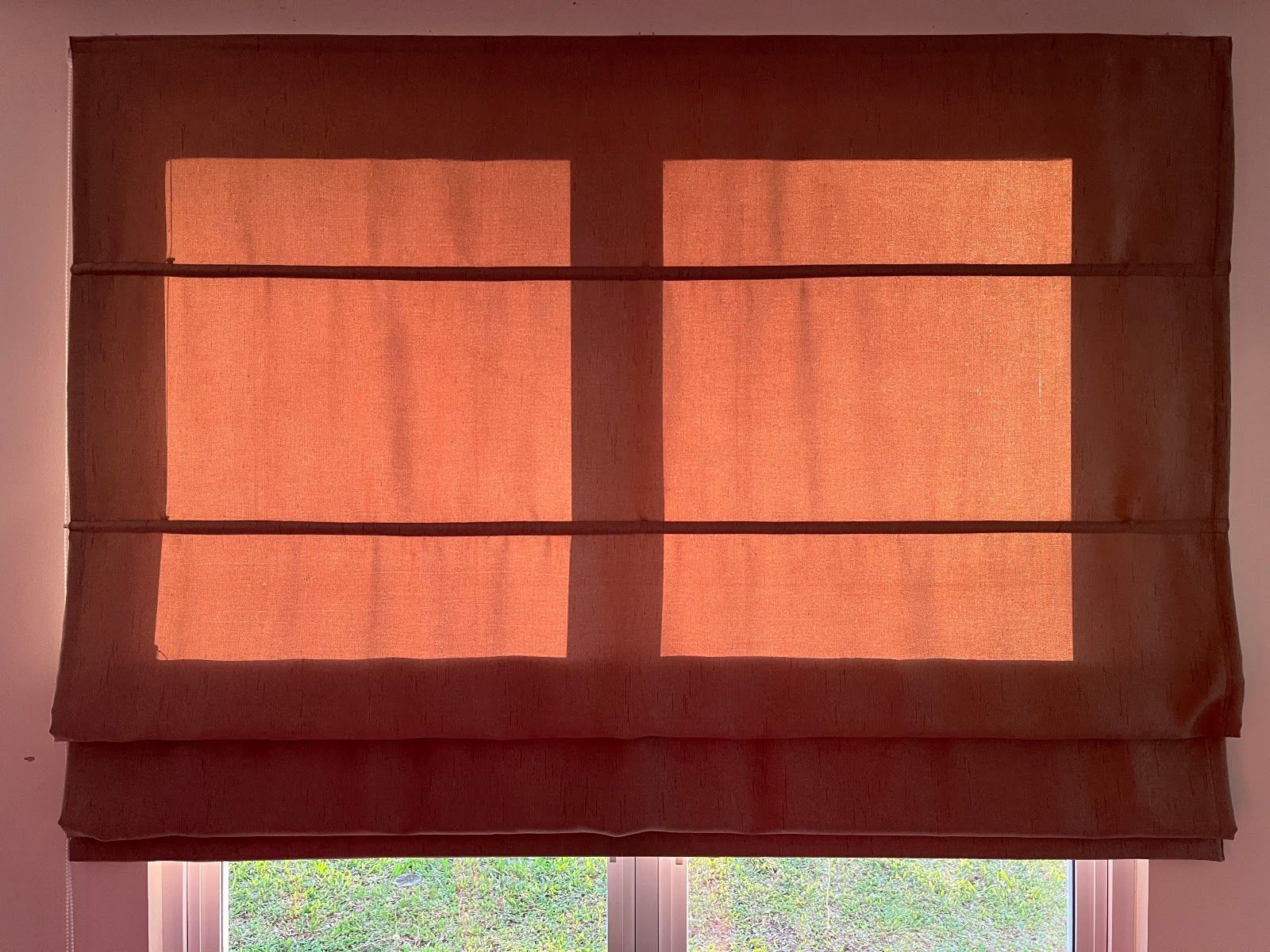
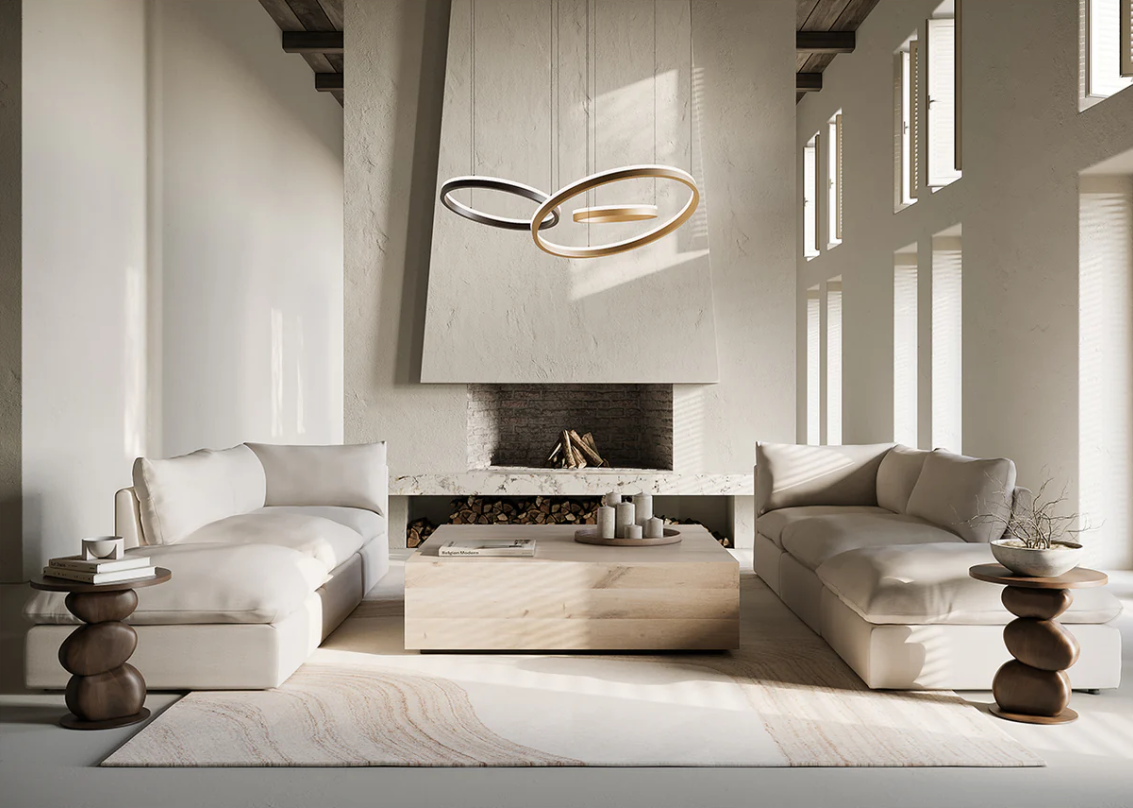
Lighting changes how we experience a room throughout the day. Natural daylight reveals the true character of materials, while thoughtfully positioned artificial lighting adds depth, warmth, and atmosphere after sunset.
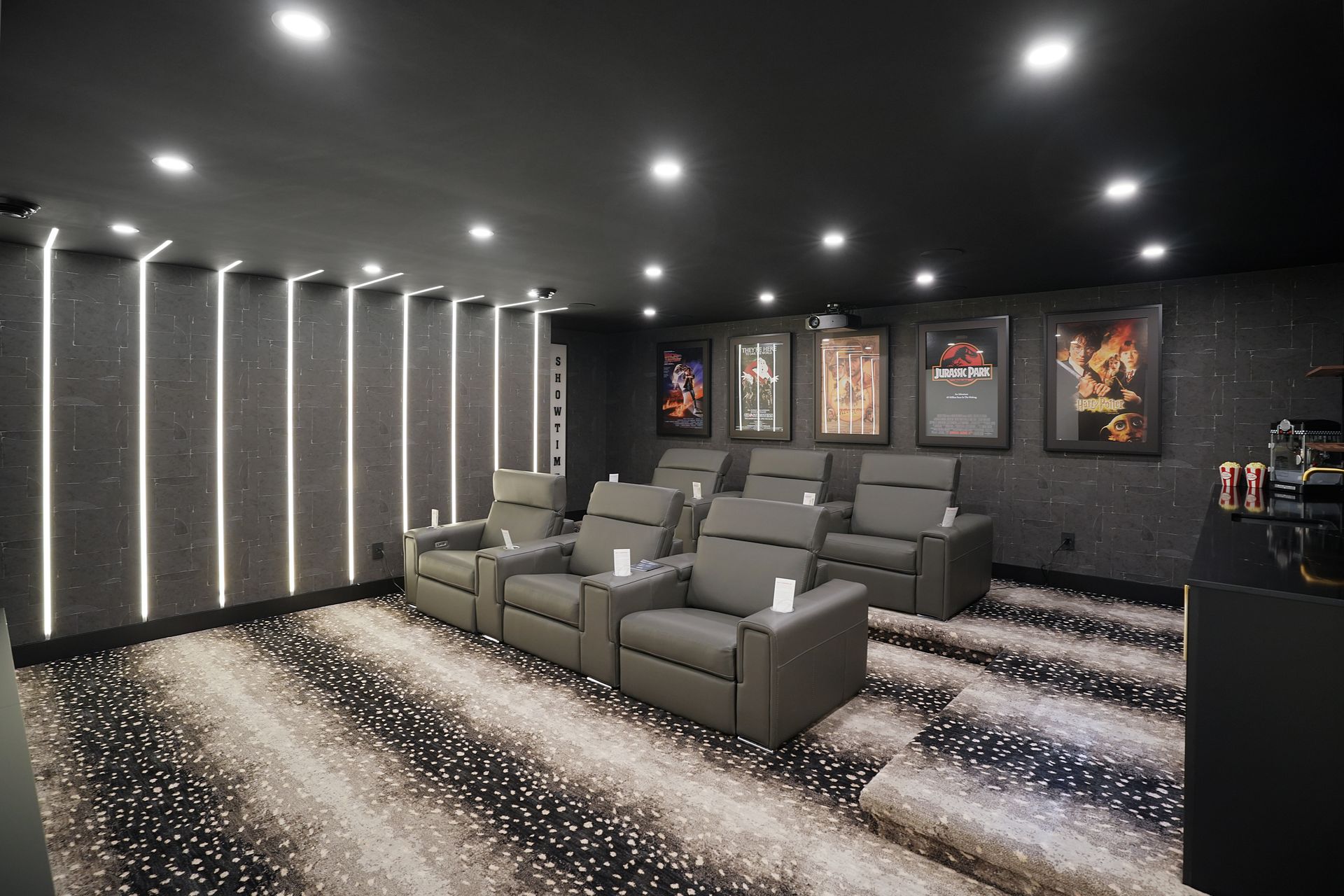
Relying on a single overhead fixture can leave a room feeling flat. Combining ambient lighting with task and accent lighting creates flexibility and allows different areas to serve different purposes.
The result is a space that adapts to everyday life, from bright mornings to relaxed evenings.
3. Proportion Is More Important Than Price
An expensive piece of furniture can look completely wrong in a room if its proportions aren't right. Similarly, an affordable piece can look exceptional when its size, placement, and surrounding elements are carefully considered.
The relationship between furniture, ceiling height, wall space, and accessories influences how balanced a room feels.
Before choosing individual pieces, consider the room as a whole. Good space planning ensures that furniture complements the architecture rather than overwhelming it.
4. Materials Need Contrast, Not Perfect Matches
A room where every finish matches can sometimes feel predictable. The most interesting interiors often bring together contrasting textures and materials in a considered way.
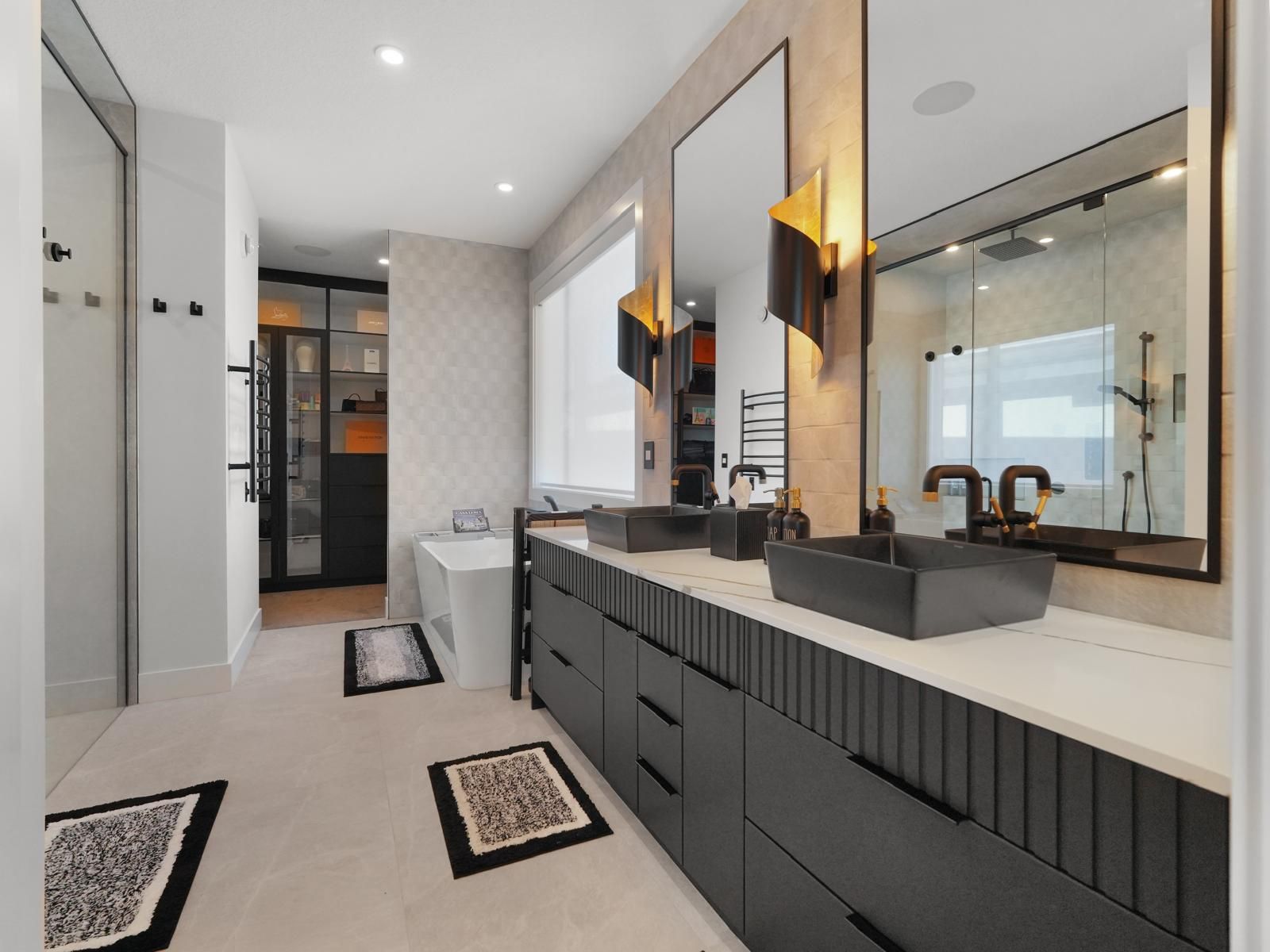
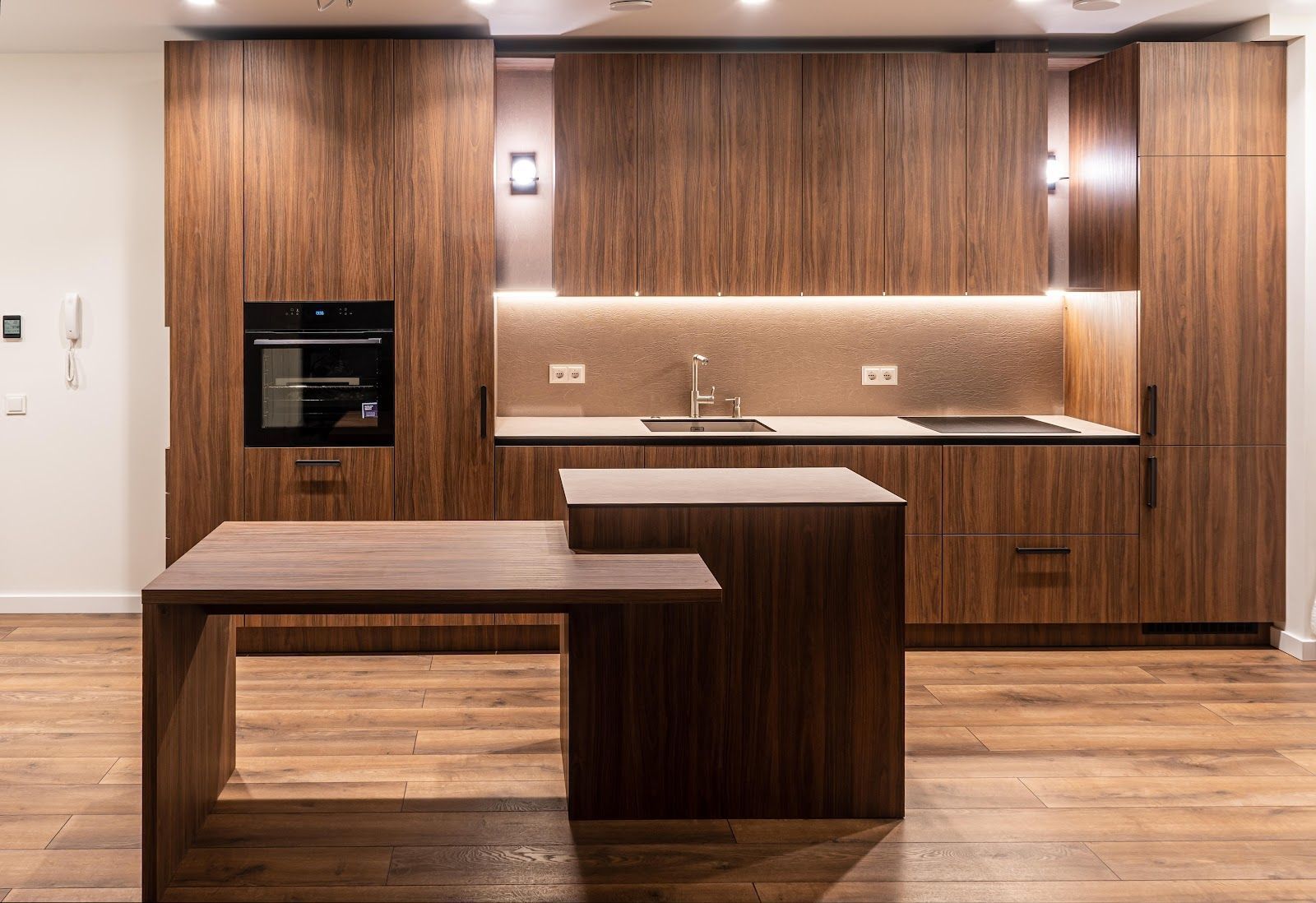
Natural wood can soften the appearance of stone. Textured fabrics can balance smooth cabinetry. Metal accents can introduce definition without overpowering the palette.
The secret is finding a common thread through colour, tone, texture, or finish. When materials complement one another, a room develops depth and character without feeling overly coordinated.
5. Design Should Follow the Way You Live
A beautiful home should work just as well on an ordinary weekday as it does when guests arrive.
Consider how your family uses the living room, where you need extra storage, how you move between spaces, and whether your furniture supports the activities that matter most to you.
These practical considerations influence everything from furniture placement to lighting and material selection.
The best interior design doesn't ask you to adapt your life to a room. It considers how the room can adapt to you.
The Art of Knowing What Not to Add
Perhaps the most difficult design decision is knowing when a space is finished.
Another accessory might look appealing. A new colour might introduce interest. An additional piece of furniture might fill an empty corner. But not every opportunity to add something makes the overall design better.
Restraint allows the strongest elements to speak for themselves. It creates clarity, gives meaningful objects room to stand out, and prevents a carefully planned interior from feeling unnecessarily busy.
This doesn't mean every home should be minimal or neutral. A colourful, layered, personality-filled space can be just as thoughtful as a quiet, understated one. What matters is intention: every choice should contribute to the atmosphere and function of the room.
Creating Spaces That Feel Effortlessly Right
Great interior design rarely comes down to one spectacular feature. More often, it is the result of many small decisions working together: the right proportions, balanced lighting, complementary materials, thoughtful layouts, and a clear understanding of the people who will use the space.
These details might not be the first things visitors notice, but they influence how a home feels long after the first impression.
At Flaunt Interiors, we approach design as more than arranging furniture or selecting finishes. It's about understanding the character of a space, the needs of the people living in it, and the subtle choices that bring everything together.
Because a well-designed home doesn't need to explain why it works.
You may not notice every decision behind it. You'll simply feel the difference.
If you're ready to rethink your space, explore Flaunt Interiors' design services and discover how thoughtful design can bring greater purpose, character, and harmony to your home.
Share This Blog