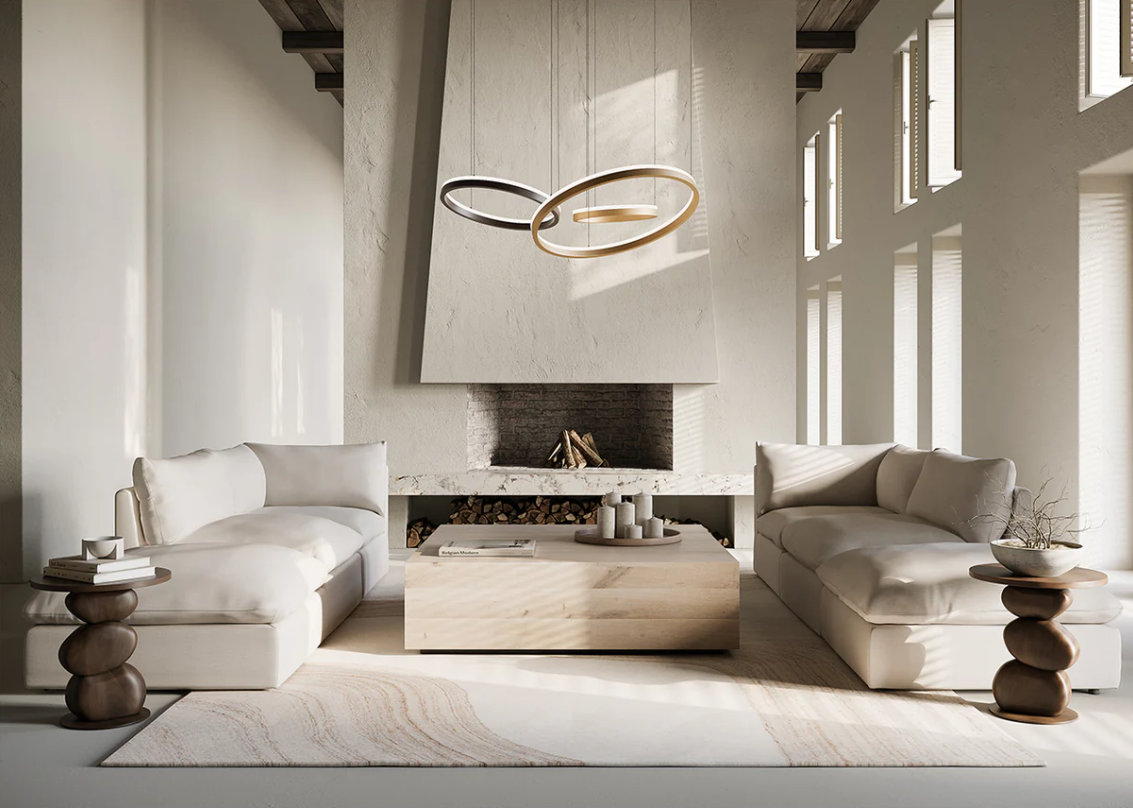
How to Sell Furniture Through a Consignment Studio: Tips for Success

Flaunt Interiors & Real Estate • July 4, 2025

Selling furniture through a consignment studio can be a rewarding and efficient way to part with quality items you no longer need. Whether you’re downsizing, redecorating, or clearing out an estate, consignment offers a professional platform to reach buyers who appreciate style and value. In this blog, we provide a detailed guide on how to successfully sell your furniture through a consignment studio. 


Why Choose Consignment Over Other Methods? 


  • No Need for Direct Selling: Avoid the hassle of marketing, listing, and negotiating on your own. 
  • Wider Audience: Consignment studios have established customer bases that trust their curation. 
  • Expert Pricing: Professionals can help price your item fairly based on market demand. 
  • Presentation Advantage: Your furniture is displayed in a styled showroom, not a garage or online ad. 


Step-by-Step Guide to Selling Furniture via Consignment 


1. Evaluate the Item's Condition 


Studios typically accept only gently used or well-maintained items. Check for: 

  • Stains or damage 
  • Structural soundness 
  • Quality materials and brand name 


2. Take High-Quality Photos 


Before you even approach a studio, take clear, well-lit photos of your item from multiple angles. This helps the consignment team determine suitability. 


3. Do Some Research 


Understand the style, brand, and original retail price of your item. Look online for similar listings to get an idea of resale value. 


4. Contact the Consignment Studio 


Send an email or fill out the online form on the studio's website. Include: 

  • Photos of the item 
  • Description and dimensions 
  • Condition notes 
  • Any brand or purchase history


5. Understand the Consignment Agreement 


Every studio has its own policies. Review details like: 

  • Commission percentage (typically 40% to 60%) 
  • Duration of contract (often 60 to 90 days) 
  • Price drops over time 
  • Payment schedule 


6. Deliver or Arrange Pickup 


You may need to transport the item yourself or pay a fee for delivery. Ensure it is clean and presentable. 


7. Let the Studio Work Its Magic 


Once your piece is in the showroom, it will be styled and promoted to attract buyers. Trust the team to highlight your item effectively. 


Tips to Maximize Your Selling Potential 


  • Choose Timeless or Trendy Items: Styles that are in demand sell faster. 
  • Price Realistically: Be open to lower-than-retail pricing. Condition and market trends matter. 
  • Offer Matching Sets: Chairs, nightstands, and dining sets sell better in pairs or complete sets. 
  • Clean and Repair Minor Issues: A little effort can make your item far more appealing. 
  • Be Honest About Flaws: Transparency builds trust and avoids return issues. 


After the Sale 


Once your item sells, the studio will notify you and issue payment based on their schedule (usually monthly). If it doesn’t sell within the agreement period, you may be able to: 

  • Extend the consignment contract 
  • Pick up the item 
  • Authorize donation or clearance discount 


Final Thoughts 


Selling your furniture through a consignment studio is a smart, efficient way to find new homes for your well-loved pieces. With the right preparation and realistic expectations, you can earn a fair return while helping others furnish their homes with style and quality. Remember, consignment isn’t just a transaction—it’s a partnership between seller, studio, and buyer, built on trust, taste, and shared appreciation for beautiful furniture.

Share This Blog
Sunlit window with white blinds, shadows, and potted plants on the sill
By Flaunt Interiors & Real Estate • November 18, 2026
Expert advice on what Edmonton homeowners should know before investing in custom honeycomb blinds, from Flaunt Interiors & Real Estate.
November 18, 2026
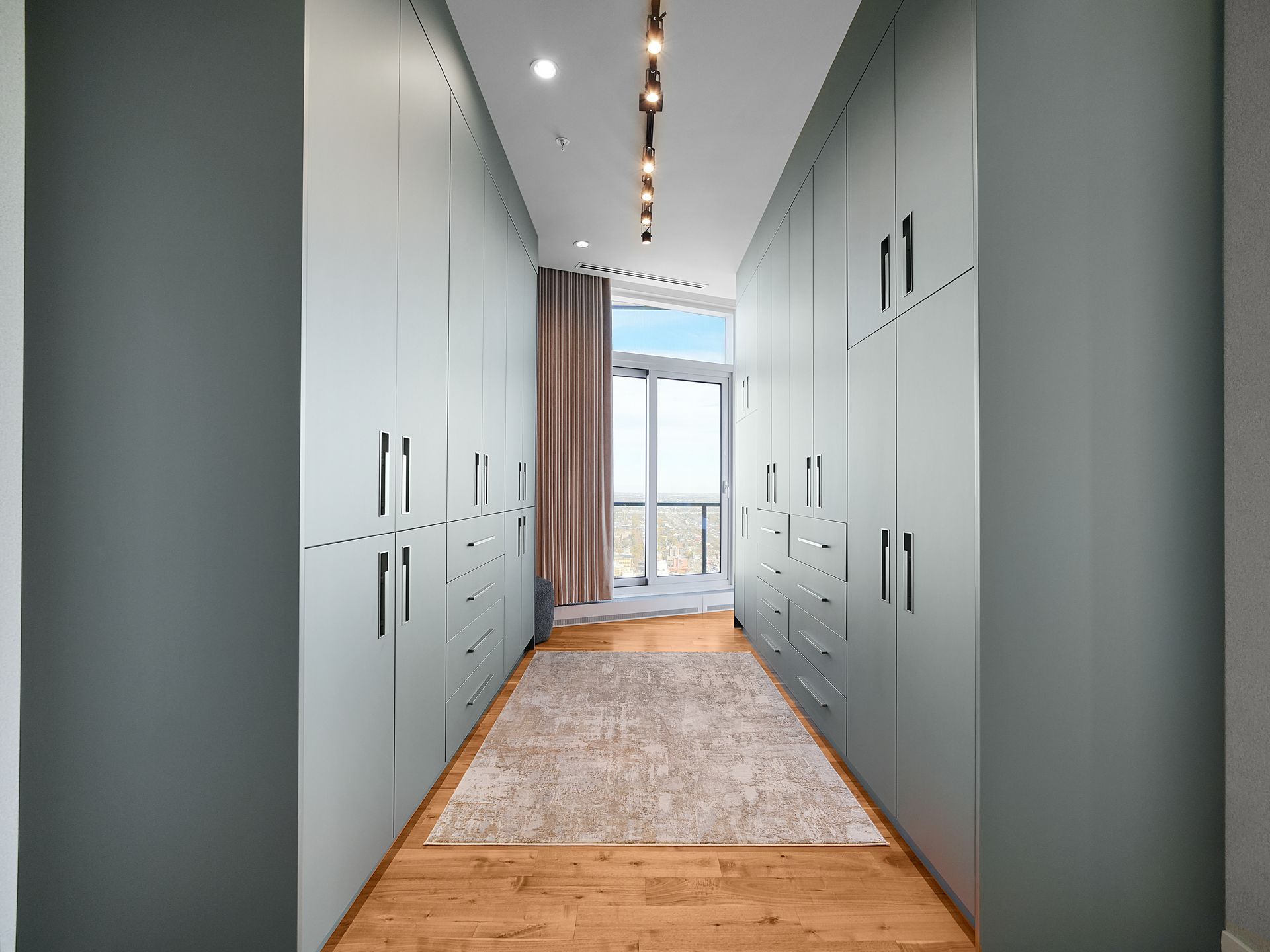
Ever looked at a beautifully designed room and wondered how everything feels so perfectly in place? The seamless storage, the clean lines, the furniture that seems to belong exactly where it is? Often, the secret is custom built-in cabinetry . More than just a storage solution, built-in cabinetry brings architecture and functionality together. It transforms unused corners, empty walls, and awkward spaces into thoughtful design features that feel like a natural part of the home. Whether it's a floor-to-ceiling entertainment unit, a beautifully detailed kitchen pantry, or a custom bedroom wardrobe, the right cabinetry can completely change how a space looks and works. Why Choose Custom Built-In Cabinetry? Every home has its own layout, proportions, and storage needs. Standard furniture doesn't always make the best use of the space available. That's where custom cabinetry makes a difference. Designed around the dimensions and requirements of your home, built-in cabinets can maximize vertical space, work around architectural features, and create storage that feels intentional rather than added as an afterthought. The result? A home that feels more organized, cohesive, and tailored to the way you live. More Than Storage: Design That Makes a Statement One of the best things about custom built-in cabinetry is its ability to become part of the interior architecture. Consider these popular applications: Living room entertainment units: Integrated shelving, concealed wiring, and custom cabinetry create a polished focal point without visual clutter. Kitchen cabinetry: Tailored storage, integrated appliances, and thoughtfully designed pantry solutions make everyday routines more efficient. Bedroom wardrobes: Floor-to-ceiling wardrobes maximize storage while maintaining a clean, streamlined appearance. Home office cabinetry: Custom desks, shelving, and concealed storage help create a workspace that feels both practical and refined. Display and feature shelving: Built-in niches and open shelving provide beautiful spaces to showcase artwork, books, and meaningful objects. Each application serves a purpose while contributing to the overall design. The Details That Make Custom Cabinetry Stand Out Beautiful cabinetry is never just about the cabinet doors. The details are what bring the design to life. Material selection plays an important role. Natural wood veneers introduce warmth, painted finishes offer versatility, and textured surfaces add depth and character. Hardware can also influence the final look. Minimal handles create a contemporary feel, while brushed metallic finishes can introduce a subtle touch of sophistication. For a more seamless appearance, handleless cabinetry and integrated opening systems offer a clean architectural finish. Even the smallest details, such as drawer configurations, internal organizers, lighting, and finish transitions, can make a noticeable difference. Making Every Inch Count Not every home has generous storage space, but thoughtful design can make even the most challenging layouts work beautifully. Awkward corners, narrow hallways, alcoves, and unused wall sections can become valuable opportunities for custom storage. Floor-to-ceiling cabinetry makes use of vertical space, while built-in benches with hidden storage can add functionality to entryways and living areas. The goal isn't simply to fit more cabinets into a room. It's to create storage that feels integrated, balanced, and proportionate to the space. Balancing Functionality With Timeless Design While trends can inspire a cabinetry design, the best choices are those that continue to feel relevant over time. Neutral finishes, natural wood tones, clean detailing, and well-considered proportions are versatile choices that can complement changing furniture and décor. It's equally important to think about everyday use. Consider what needs to be stored, how frequently you'll access it, and which features will make daily routines easier. After all, beautiful cabinetry should look impressive, but it should also work effortlessly. The Beauty of a Space Designed Around You What makes custom built-in cabinetry special is that it doesn't have to follow a standard formula. Every dimension, finish, compartment, and detail can be considered in relation to the home and the people living in it. At Flaunt Interiors , we believe thoughtful design is about making every element count. From the overall layout to the smallest cabinetry detail, the intention is to create interiors that feel cohesive, functional, and personal. Because the best storage solutions aren't the ones that simply hide everything away. They're the ones that make your home work beautifully while becoming part of its design story.
November 18, 2026
Ever noticed how some interiors feel luxurious without being overly decorated? It's often not the furniture or the accessories that make the difference. It's the materials. The richness of natural stone, the warmth of a beautifully finished wood surface, the subtle reflection of brushed metal, or the softness of a carefully selected fabric. Each material contributes something different to the way a space looks and feels. In interior design, luxury material selection is about much more than choosing premium finishes. It's about understanding how materials interact, how they respond to light, and how they come together to create an atmosphere that feels intentional. Luxury Begins With the Right Foundation Before selecting colours or decorative elements, it's important to understand the materials that will define the space. Natural stone, engineered surfaces, hardwood, glass, metal, and specialty wall finishes each have their own visual language. Some introduce warmth, others create contrast, and some bring a sense of understated elegance. For example, natural marble can introduce movement through its distinctive veining, while walnut wood adds depth and warmth. Brushed brass creates a softer metallic accent than polished chrome, and textured plaster can give a wall dimension without introducing another bold colour. The beauty lies in knowing what to use, where to use it, and how much of it is needed. The Art of Mixing Materials One of the biggest misconceptions about luxury interiors is that everything needs to match. In reality, some of the most interesting spaces are created through contrast. Think of a smooth stone countertop paired with textured cabinetry, warm timber alongside dark metal accents, or soft upholstery against a more structured architectural finish. These combinations introduce visual depth and prevent a room from feeling flat or predictable. A useful design principle is to balance contrasting textures while maintaining a connected colour palette. This allows individual materials to stand out without competing with one another. Understanding the Relationship Between Material and Light Here's a detail that can completely change the outcome of a design: lighting. The same material can look remarkably different depending on where it's placed and how light interacts with its surface. Polished finishes reflect light and can make a room feel brighter, while matte surfaces create a softer, more understated appearance. Textured materials reveal shadows and subtle variations, adding dimension throughout the day. This is why material samples should be viewed in the actual space, under both natural and artificial lighting, before making final decisions. Beauty Should Come With Functionality A beautiful finish is only a successful choice if it works for the people living with it. A kitchen countertop, for instance, needs to handle everyday use, while bathroom surfaces must be suitable for moisture and regular cleaning. High-traffic flooring requires a different level of durability than decorative wall finishes. When evaluating materials, consider: Durability: How well will the material handle everyday wear? Maintenance: Does it require sealing, special cleaning, or regular upkeep? Texture and finish: Will the surface be practical as well as visually appealing? Longevity: Will the material continue to complement the space as design trends change? Application: Is it suitable for the specific area where it will be installed? Good design considers how a home will be lived in, not just how it will look in photographs. Creating a Cohesive Material Palette Choosing beautiful materials individually is one thing. Making them work together is where thoughtful design really comes into play. A material palette brings together the finishes, textures, colours, and surfaces that will define the interior. Rather than making selections room by room without considering the bigger picture, think about how materials transition from one area to another. The flooring, cabinetry, wall finishes, hardware, and furnishings should feel connected, even when each room has its own personality. This doesn't mean everything needs to be identical. It means creating a natural flow through carefully considered combinations. True Luxury Is in the Selection The most memorable interiors aren't necessarily the ones with the most expensive finishes. They're the ones where every choice feels considered. A distinctive stone, an unexpected texture, a beautifully balanced wood tone, or a subtle metallic detail can give a space its own identity. At Flaunt Interiors , we believe great design begins with understanding the relationship between materials, architecture, and the people who experience the space. Every selection has a purpose, and every detail contributes to the bigger picture. Because luxury isn't simply what you put into a space. It's how thoughtfully you bring it all together.
November 13, 2026
Some walls simply divide a room. Others define it. An architectural feature wall is more than an eye-catching backdrop. It's an opportunity to introduce character, depth, and personality into your home while bringing the entire interior together. From elegant wall panelling and textured finishes to custom millwork and statement materials, the right design can completely transform how a room looks and feels. A thoughtfully designed feature wall doesn't necessarily need bold colours or elaborate decoration. Sometimes, it's the subtle details, interesting proportions, and carefully selected materials that make the biggest impact. What Makes an Architectural Feature Wall Special? It's all about the details. Clean lines, interesting textures, architectural elements, and carefully considered proportions can turn an otherwise simple wall into a focal point. Unlike decorative artwork or temporary styling, architectural feature walls often become part of the room's overall structure and design language. Some popular design approaches include: Decorative panelling: Adds structure, dimension, and timeless elegance. From traditional mouldings to contemporary geometric patterns, panelling can complement a variety of interior styles. Wood detailing: Introduces warmth and natural texture through wood slats, veneer finishes, and custom woodwork. Textured finishes: Limewash, plaster, and other specialty finishes create subtle movement and visual interest without relying on bold colours. Custom millwork: Combines functionality with beautifully tailored design through integrated shelving, cabinetry, and architectural detailing. Stone and statement materials: Natural stone, marble, and other distinctive surfaces bring depth, sophistication, and a sense of permanence.  Choosing the Right Wall and Materials Not every wall needs to become a statement. The key is identifying the right area and understanding how it connects with the rest of the space. A feature wall behind a living room sofa can create a visual anchor, while a beautifully detailed wall surrounding a fireplace can establish a natural focal point. In bedrooms, architectural panelling or custom millwork behind the headboard can add depth without making the room feel overly decorated. Material selection is equally important. Consider the existing flooring, furniture, lighting, and colour palette before deciding on a finish. Natural wood can soften contemporary interiors, while stone and plaster finishes can introduce a more refined architectural feel. The goal is to create contrast and interest while maintaining a sense of balance. The Role of Lighting in Architectural Feature Walls Lighting can completely change how an architectural feature wall is experienced. Wall washers, recessed lighting, integrated LED strips, and carefully positioned accent lights can highlight textures, reveal material details, and create beautiful shadows throughout the day. For example, directional lighting can emphasize the natural variations in stone, while concealed LED lighting can highlight the depth of wood panelling or custom shelving. Rather than treating lighting as a finishing touch, it should be considered early in the design process so that every architectural detail works together. Balancing Statement Design With Functionality A beautiful feature wall should do more than look impressive. It should also make sense within the way you use your home. Custom millwork can introduce additional storage, integrated shelving can display meaningful objects, and media walls can conceal wiring and electronic equipment while maintaining a clean appearance. Even smaller design decisions, such as panel spacing, material transitions, and the alignment of architectural details, can make a significant difference to the final result. The most successful designs are those where aesthetics and functionality feel completely natural together. Design That Goes Beyond Appearance A well-designed feature wall should feel connected to the rest of the interior. It might frame a fireplace, highlight a bedroom headboard, define a living room, or create a beautiful backdrop for artwork. The secret is knowing when to make a statement and when to let simplicity speak. Too many competing materials or decorative elements can take away from the overall design. Instead, focus on one strong architectural direction and carry complementary finishes throughout the space. It's More Than Just a Wall The most memorable interiors are often the ones where every detail feels intentional. Architectural feature walls bring together materials, craftsmanship, lighting, and creativity to give a space its own identity. At Flaunt Interiors , we believe great design is about creating spaces that feel as beautiful as they look. Every material, finish, and architectural detail contributes to the overall experience of a home. Because sometimes, all it takes is one thoughtfully designed wall to change the entire story of a room.
November 11, 2026
Ever walked into a room and felt that something just clicked? Sometimes, it's not the furniture or the colour palette. It's the little details that bring everything together, and beautifully dressed windows are one of them. Layered window treatments are more than just a design trend. They're a way to combine functionality, texture, and elegance while making a room feel complete. Think sheer curtains paired with heavier drapes, Roman shades with decorative panels, or natural woven blinds layered with soft linen curtains. Each combination brings its own character while offering greater control over natural light and privacy. Why Layer Your Window Treatments? It's all about creating the right balance. Better light control: Sheers soften incoming sunlight, while heavier curtains help block unwanted light. Added privacy: Enjoy natural daylight without feeling exposed. Depth and texture: Combining different fabrics adds warmth and dimension to your interiors. A polished finish: Well-designed window treatments make ceilings feel taller and rooms feel more thoughtfully styled. Choosing the Right Combination The secret is choosing layers that complement your space rather than compete with it. For a light, airy look, pair sheer linen curtains with neutral drapery. Want something warmer? Try woven shades with soft fabric panels. For bedrooms, consider blackout shades paired with elegant sheers. Pay attention to fabric textures, colours, curtain lengths, and hardware. Even the smallest choices can make a noticeable difference. It's All in the Details Beautiful interiors aren't created by one big statement. They're created through thoughtful decisions that work together. Layered window treatments bring softness, functionality, and character into a space, making your windows feel like an intentional part of the design rather than an afterthought. At Flaunt Interiors , we believe it's these thoughtful details that turn a house into a home. Because sometimes, the finishing touch is what makes all the difference.
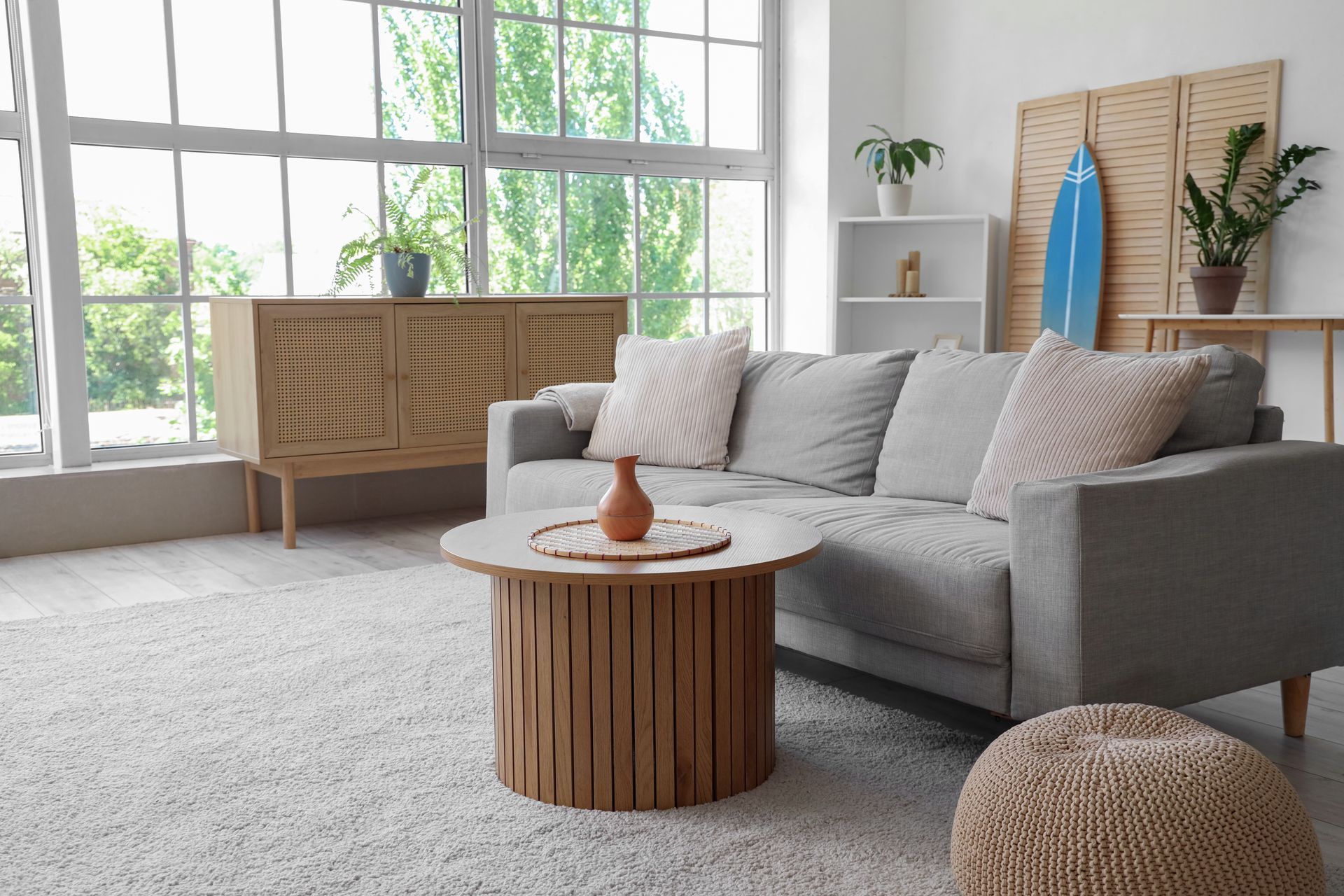
Bright living room with a gray sofa, round wooden coffee table, and large sunlit windows.
By Flaunt Interiors & Real Estate • November 10, 2026
Learn what certified Feng Shui experts bring to Edmonton projects that online tips can’t match. Insights from Flaunt Interiors & Real Estate.
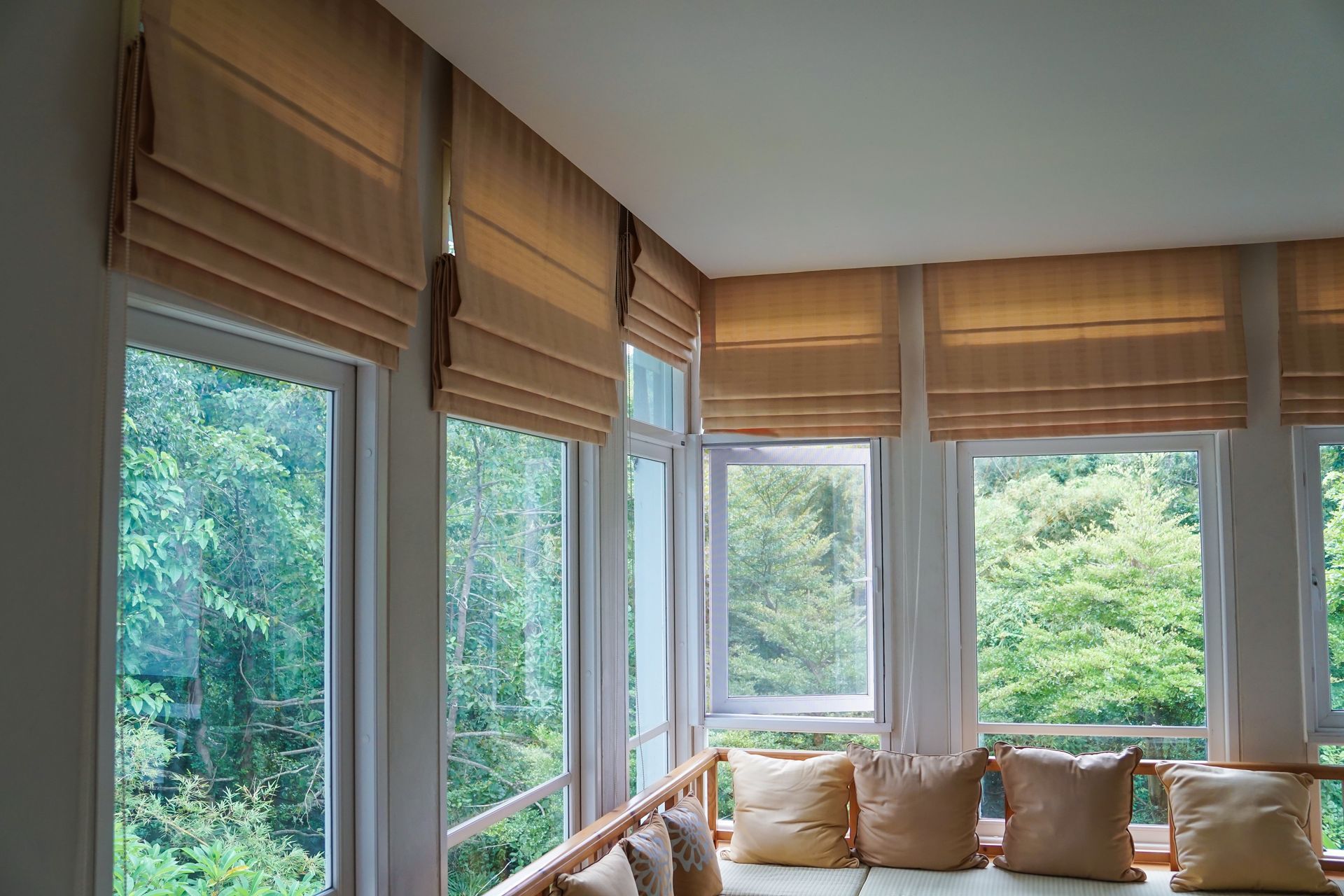
Bright sunroom with tan blinds, large windows, and a white bench with beige pillows overlooking green trees
By Flaunt Interiors & Real Estate • November 4, 2026
Discover why updating window coverings before the holidays matters for Edmonton homes. Get expert insights from Flaunt Interiors & Real Estate.
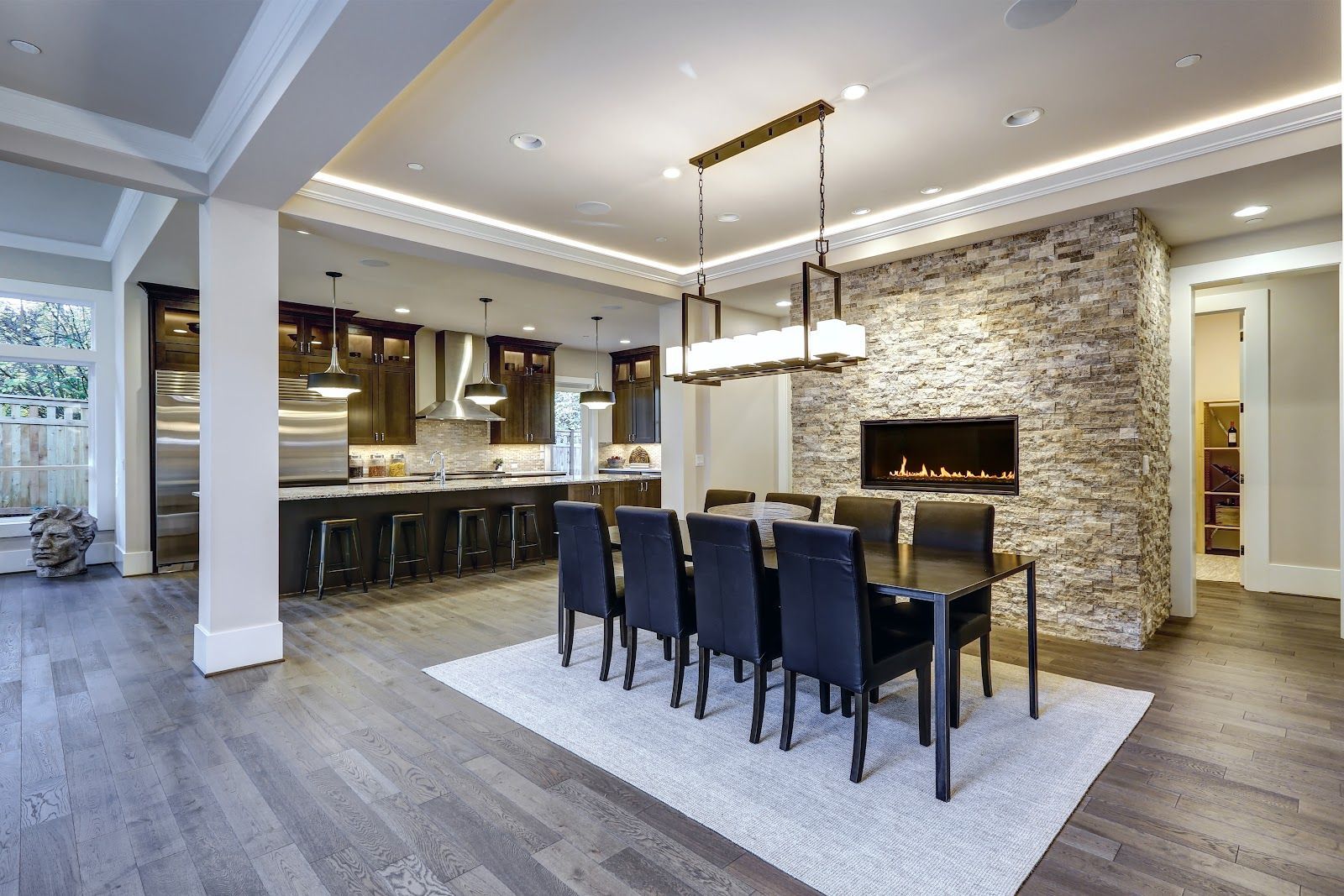
Modern open-concept dining and kitchen area with stone fireplace, dark chairs, and island seating
By Flaunt Interiors & Real Estate • October 28, 2026
Don’t let a cluttered layout ruin your holiday gatherings. Flaunt Interiors & Real Estate explains why timely space planning matters in Edmonton.
October 25, 2026
Should your kitchen flow seamlessly into your living room, or should each space have its own defined boundaries? It's a bigger decision than you might think. The choice between an open-concept and a closed floor plan affects everything from natural light and privacy to noise, storage, and how your family spends time together. At Flaunt Interiors , we believe the best home layout isn't necessarily the trendiest one. It's the one that works for the way you live.
October 24, 2026
A home doesn't have to be extravagant to feel exceptional. Sometimes, luxury is found in the details most people overlook. Think of curtains that fall perfectly to the floor, warm light that highlights a beautiful wall texture, or cabinetry that fits so seamlessly it feels like part of the architecture. These aren't dramatic design statements, but together, they can completely change how a home looks and feels. At Flaunt Interiors , we believe beautiful interiors aren't about adding more. They're about making thoughtful choices that bring comfort, character, and sophistication into everyday living.