Layered Lighting Interior Design Ideas (2026 Trend Guide)
Modern interiors today are no longer just about furniture, paint, or décor.
Lighting has quietly become the real “main character” of a space. And no, we are not talking about that one sad ceiling light trying its best to do everything.
We’re talking about layered lighting interior design ideas—the design approach that makes homes feel warmer, richer, and honestly… way more expensive than they actually are.
At Flaunt Interiors, we like to say: if a room looks flat, it’s usually not the furniture—it’s the lighting that needs therapy.
Why Layered Lighting Matters More Than You Think
Most people design a room like this:
- Nice sofa ✔
- Nice paint ✔
- One ceiling light ✔
- “Done” ❌
And then wonder why the space feels like a hospital waiting room at 7 PM.
Layered lighting fixes that.
It brings depth, mood, and dimension into a space by combining multiple light sources instead of relying on just one.
In simple terms:
good furniture makes a room look nice, but good lighting makes it feel alive.
What Is Layered Lighting in Interior Design?
Layered lighting means using three types of lighting together:
1. Ambient Lighting (The Base Layer)
This is your general lighting—usually ceiling lights or recessed lighting.
Think of it as the “background music” of your room. You don’t always notice it, but you definitely miss it when it’s gone.
2. Task Lighting (The Functional Layer)
This is lighting that helps you actually do things:
- Reading lamps
- Kitchen counter lights
- Study desk lighting
- Bathroom mirror light
Basically, anything that stops you from cutting vegetables like it’s a horror movie scene.
3. Accent Lighting (The Drama Layer)
This is where interiors start showing off a little:
- Wall lights
- LED strips
- Highlighted art lighting
- Shelf lighting
Accent lighting is the difference between “nice room” and “wow, who designed this?”
Why Layered Lighting Is Trending in 2026
Layered lighting has become one of the biggest interior design trends of 2026 because people are now designing homes based on mood, not just function.
Here’s why it’s everywhere right now:
- Makes small spaces look bigger
- Adds luxury hotel-style ambience
- Enhances color psychology in interiors
- Works beautifully in modern office interiors
- Improves comfort during long indoor hours (especially in darker climates)
And honestly, once you experience good layered lighting, you start judging every badly lit room very silently.
Layered Lighting Ideas for Modern Homes
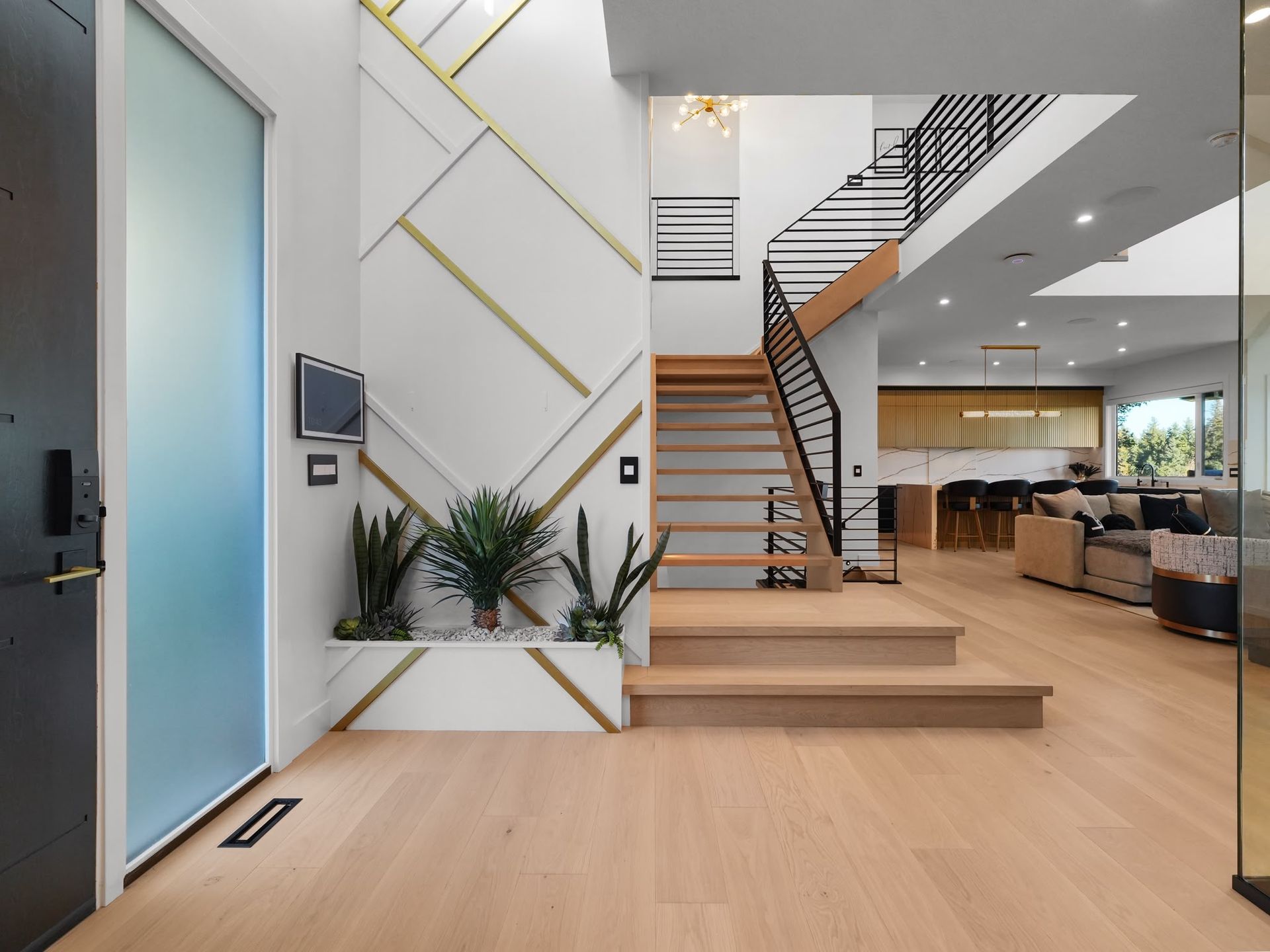
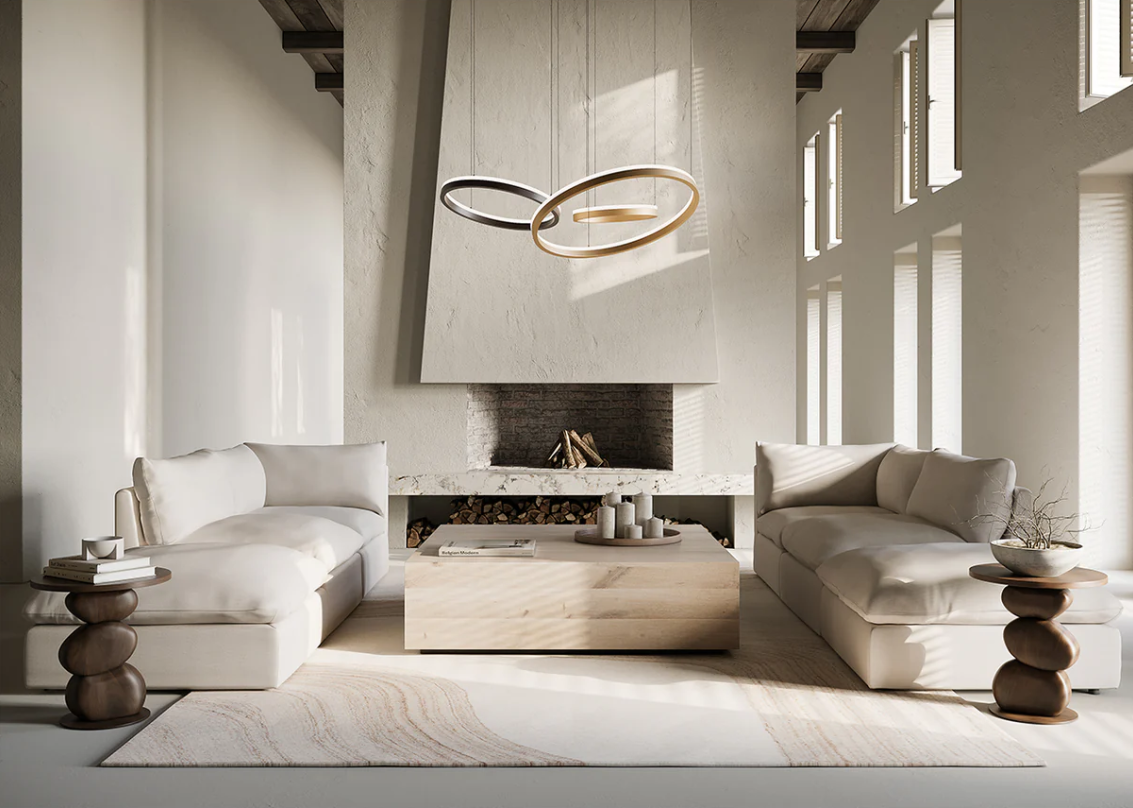
Here are some simple but powerful layered lighting interior design ideas you can use:
Warm Ambient + Hidden Lighting Combo
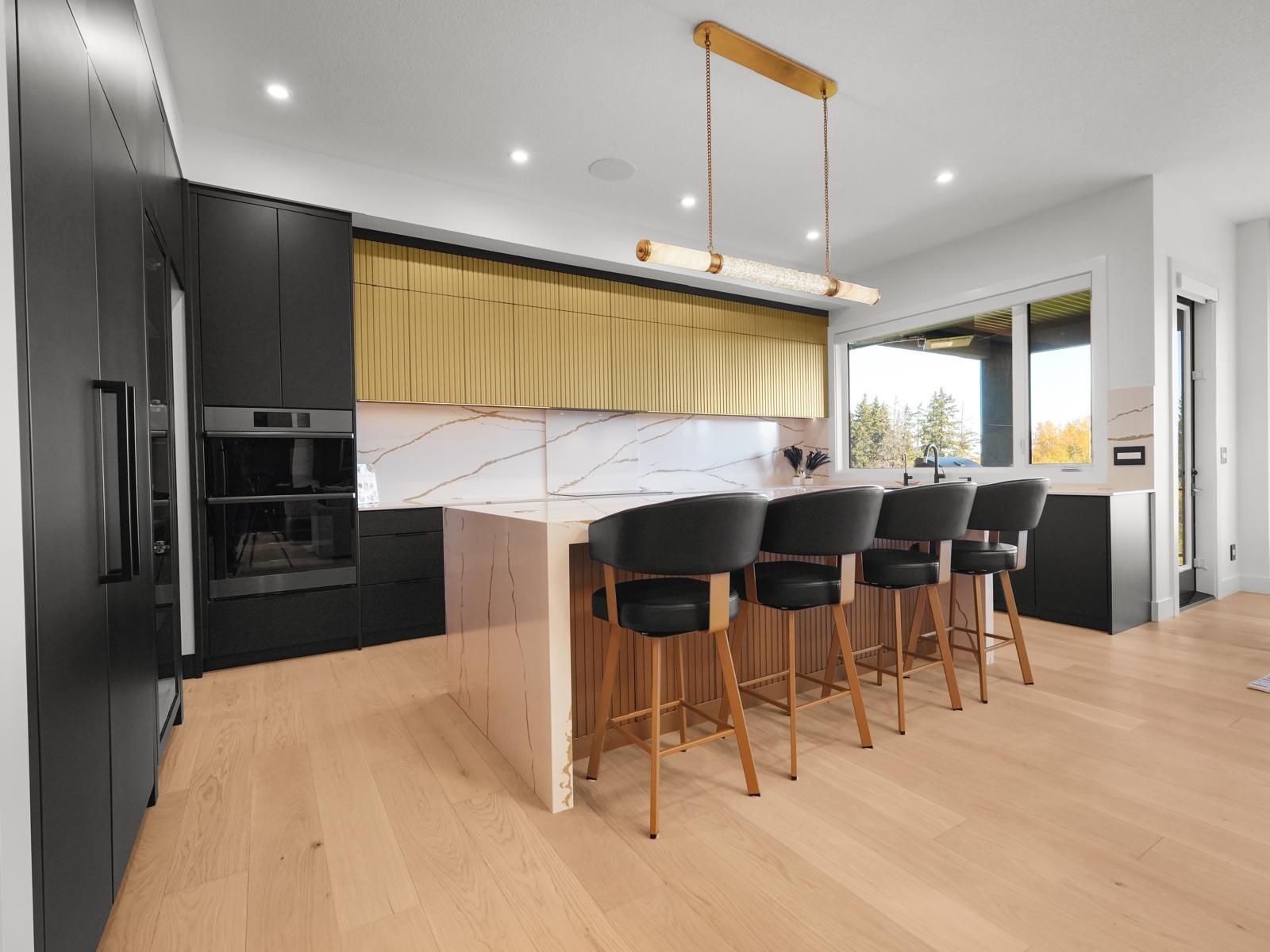
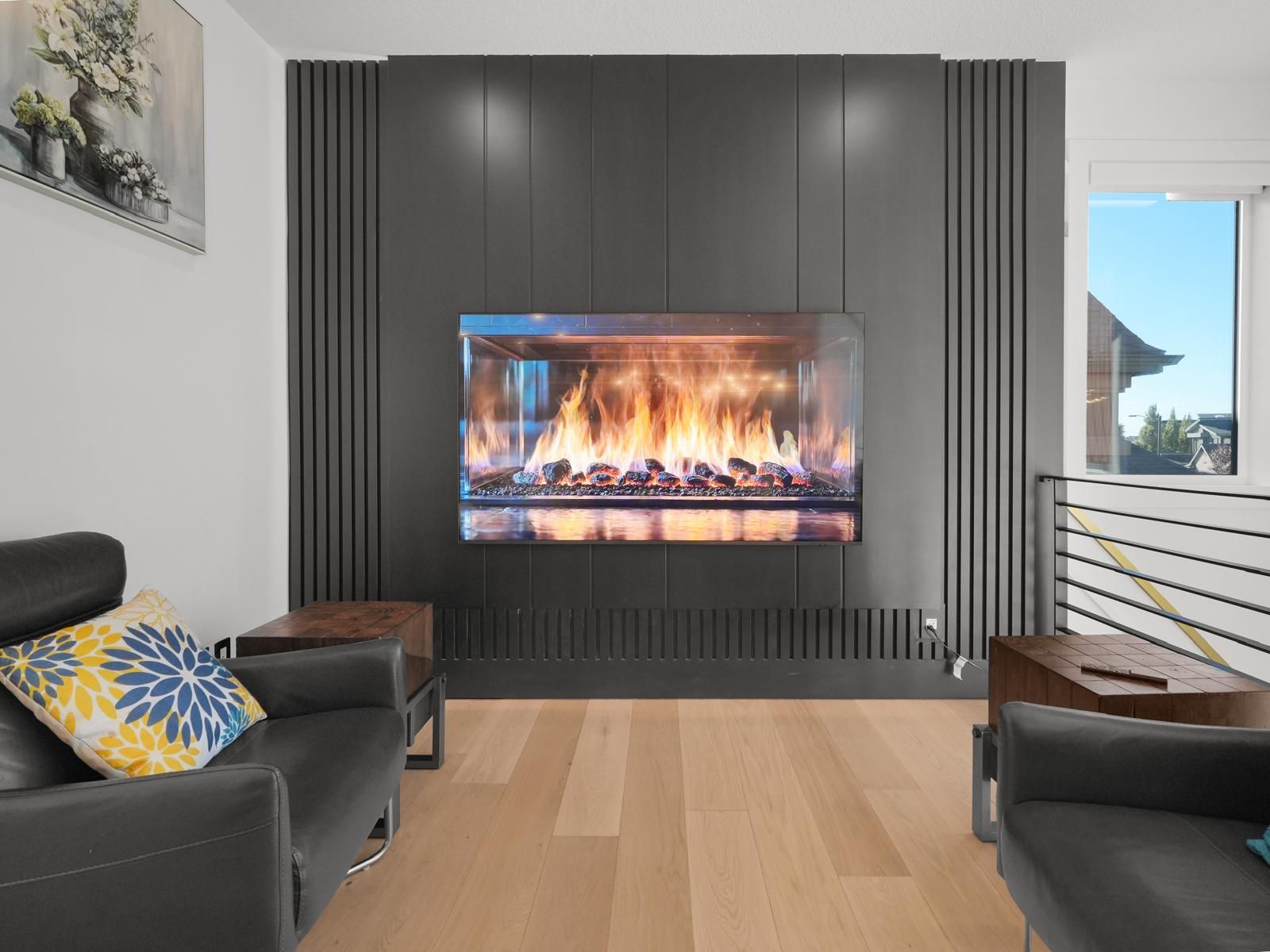
Use soft ceiling lights with hidden LED strips for a floating effect.
Perfect for living rooms and bedrooms.
Pendant Lights + Task Lighting Mix
Add pendant lights over dining tables and pair them with subtle wall lighting.
This instantly makes dinner feel 40% more
“luxury restaurant,” even if it’s just pasta again.
Bedroom Mood Lighting Setup
- Warm bedside lamps
- Soft cove lighting
- Minimal overhead lighting
This combination creates a calm, hotel-like sleep environment.
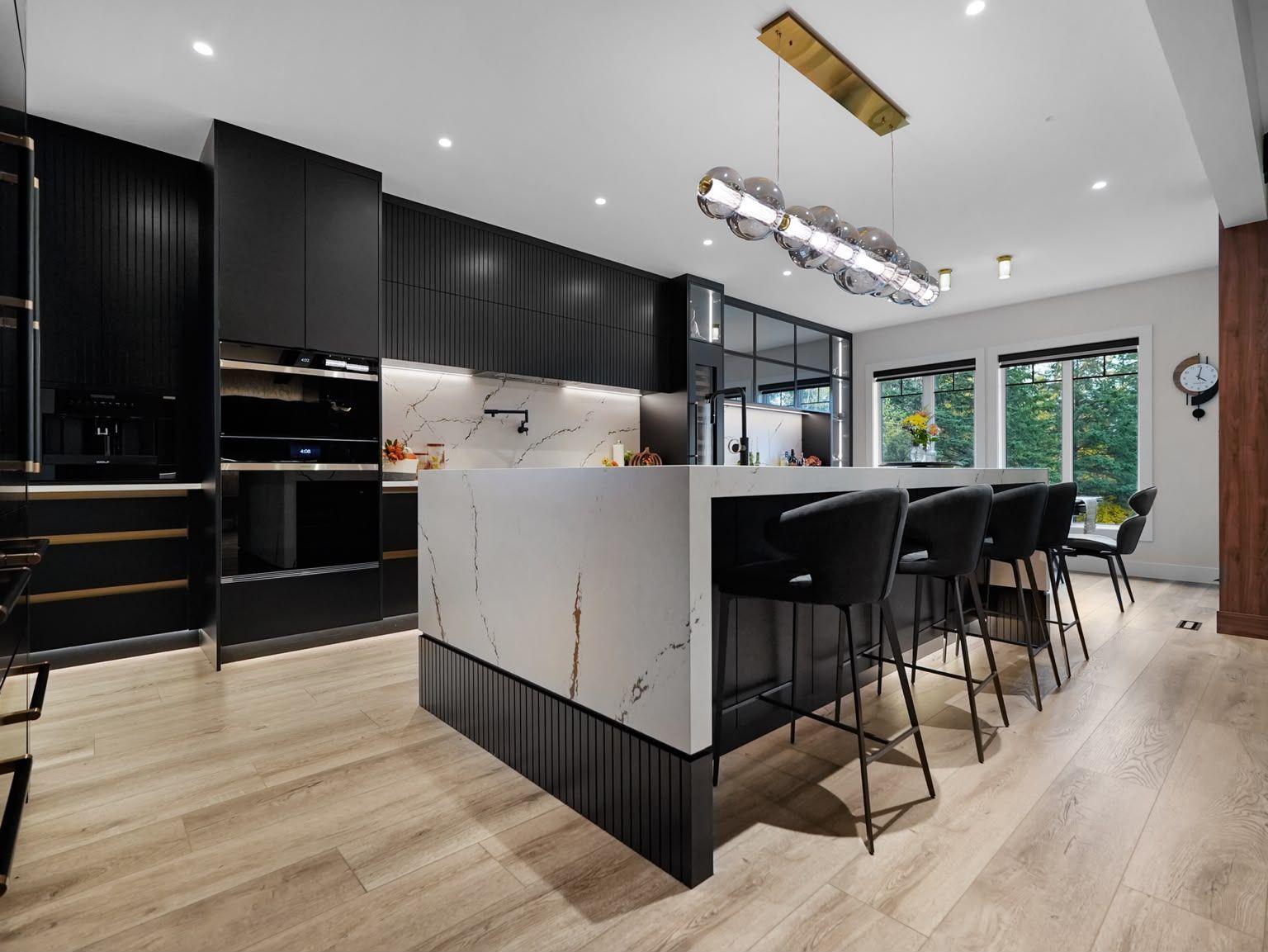
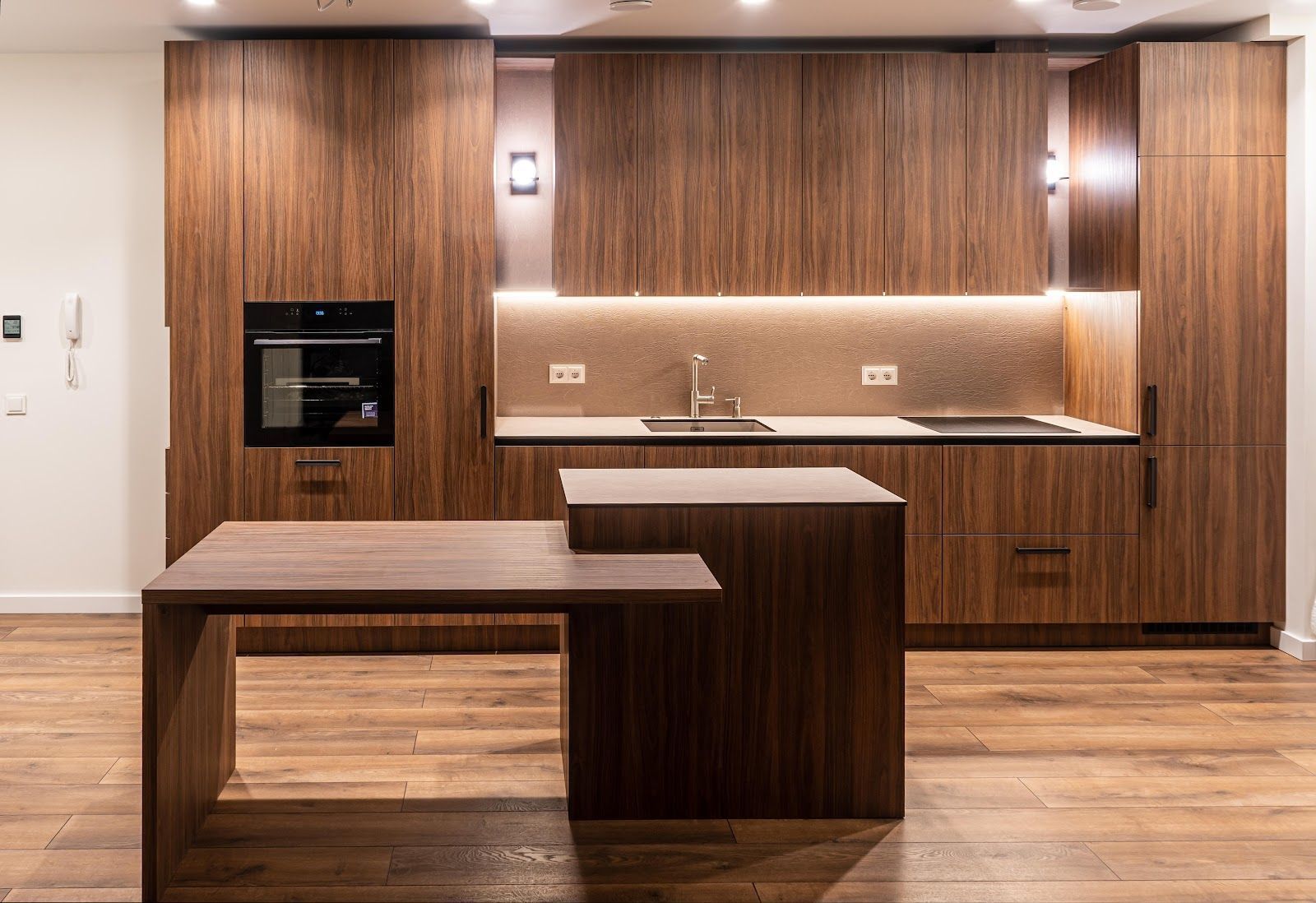
Kitchen Layering (The Practical Glow-Up)
- Bright ceiling lighting
- Under-cabinet lighting
- Focused task lighting for counters
Because cooking in shadows should never be a lifestyle.
Layered Lighting in Office Interiors
For modern office spaces, lighting is not just design—it’s productivity.
A well-layered lighting setup:
- Reduces eye strain
- Improves focus
- Boosts energy levels
- Makes Zoom calls slightly less depressing
At
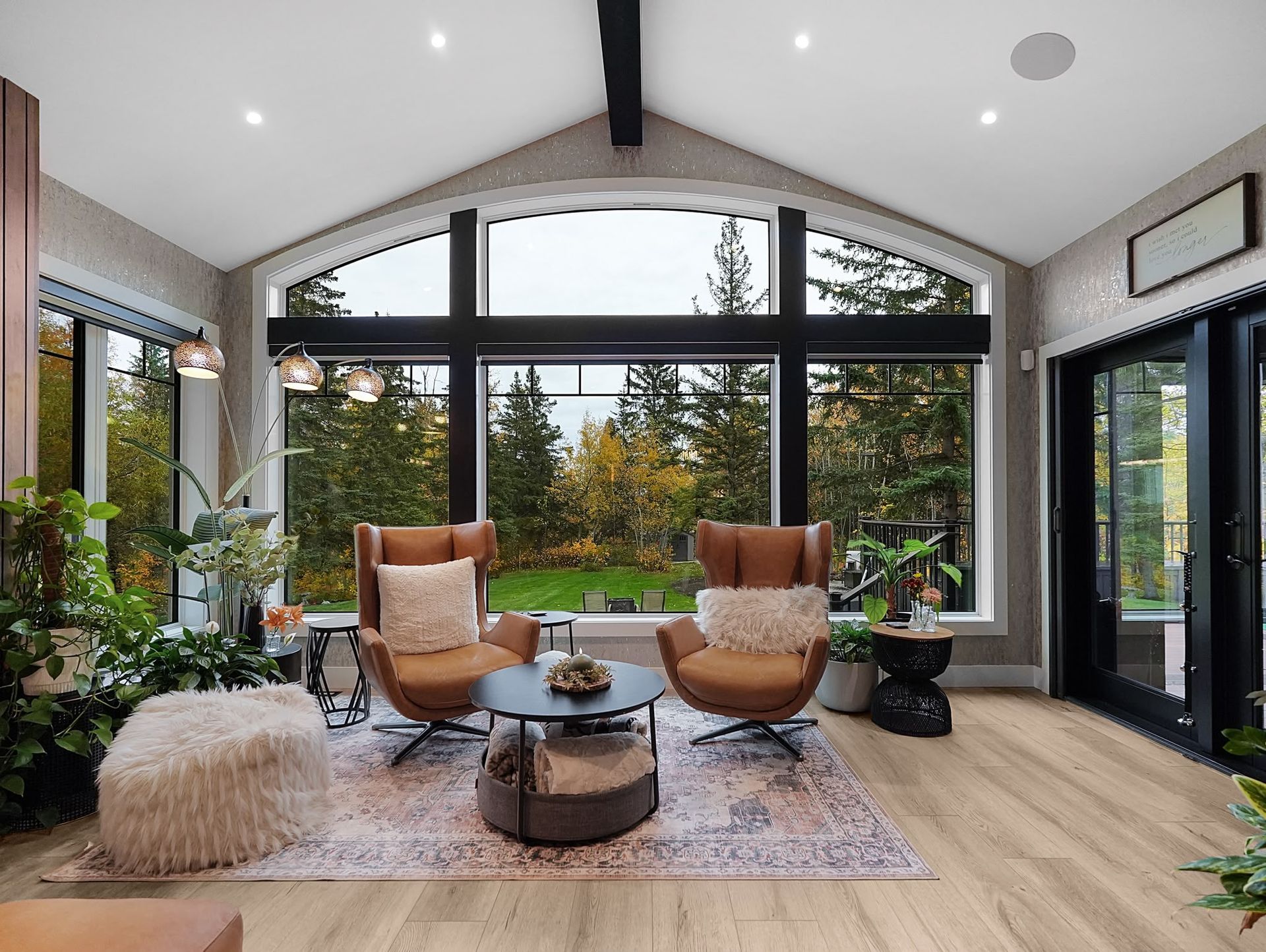
Flaunt Interiors, we often design office lighting layouts that balance natural light with artificial layers to keep workspaces bright but not overwhelming.
Final Thought: Lighting Changes Everything
You can have the best furniture, the best layout, and the best décor—but without proper lighting, the space will still feel incomplete.
Layered lighting is what turns a “nice interior” into a “designed interior.”
And in 2026, interiors are no longer just about looking good—they’re about feeling intentional, warm, and lived in.
So if your space feels a little flat… it might not need new furniture. It might just need better lighting layers (and a little design intervention).
Share This Blog