Luxury Material Selection: The Secret to Interiors That Feel as Beautiful as They Look
Ever noticed how some interiors feel luxurious without being overly decorated? It's often not the furniture or the accessories that make the difference. It's the materials.
The richness of natural stone, the warmth of a beautifully finished wood surface, the subtle reflection of brushed metal, or the softness of a carefully selected fabric. Each material contributes something different to the way a space looks and feels.
In interior design, luxury material selection is about much more than choosing premium finishes. It's about understanding how materials interact, how they respond to light, and how they come together to create an atmosphere that feels intentional.
Luxury Begins With the Right Foundation
Before selecting colours or decorative elements, it's important to understand the materials that will define the space.
Natural stone, engineered surfaces, hardwood, glass, metal, and specialty wall finishes each have their own visual language. Some introduce warmth, others create contrast, and some bring a sense of understated elegance.
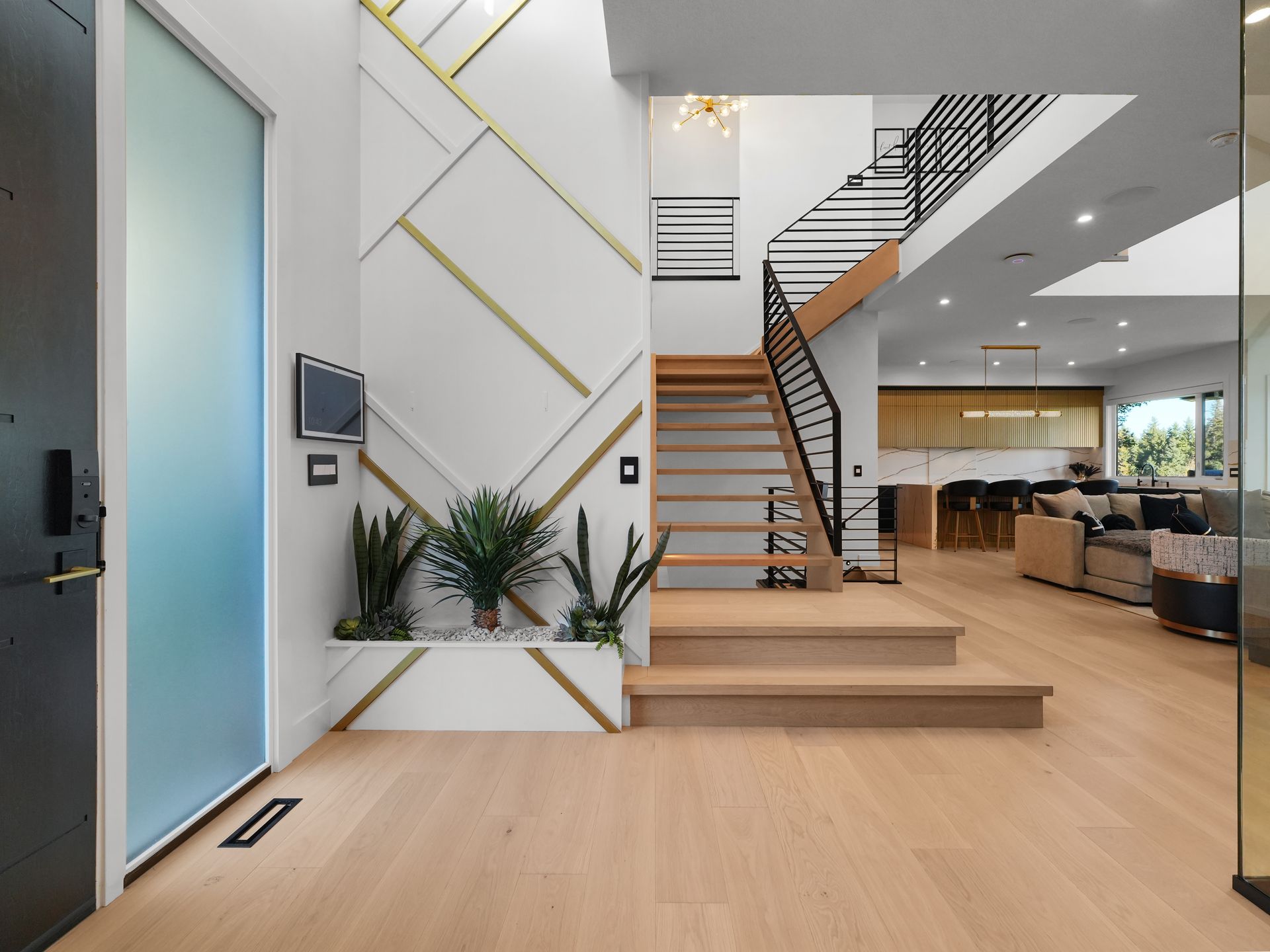
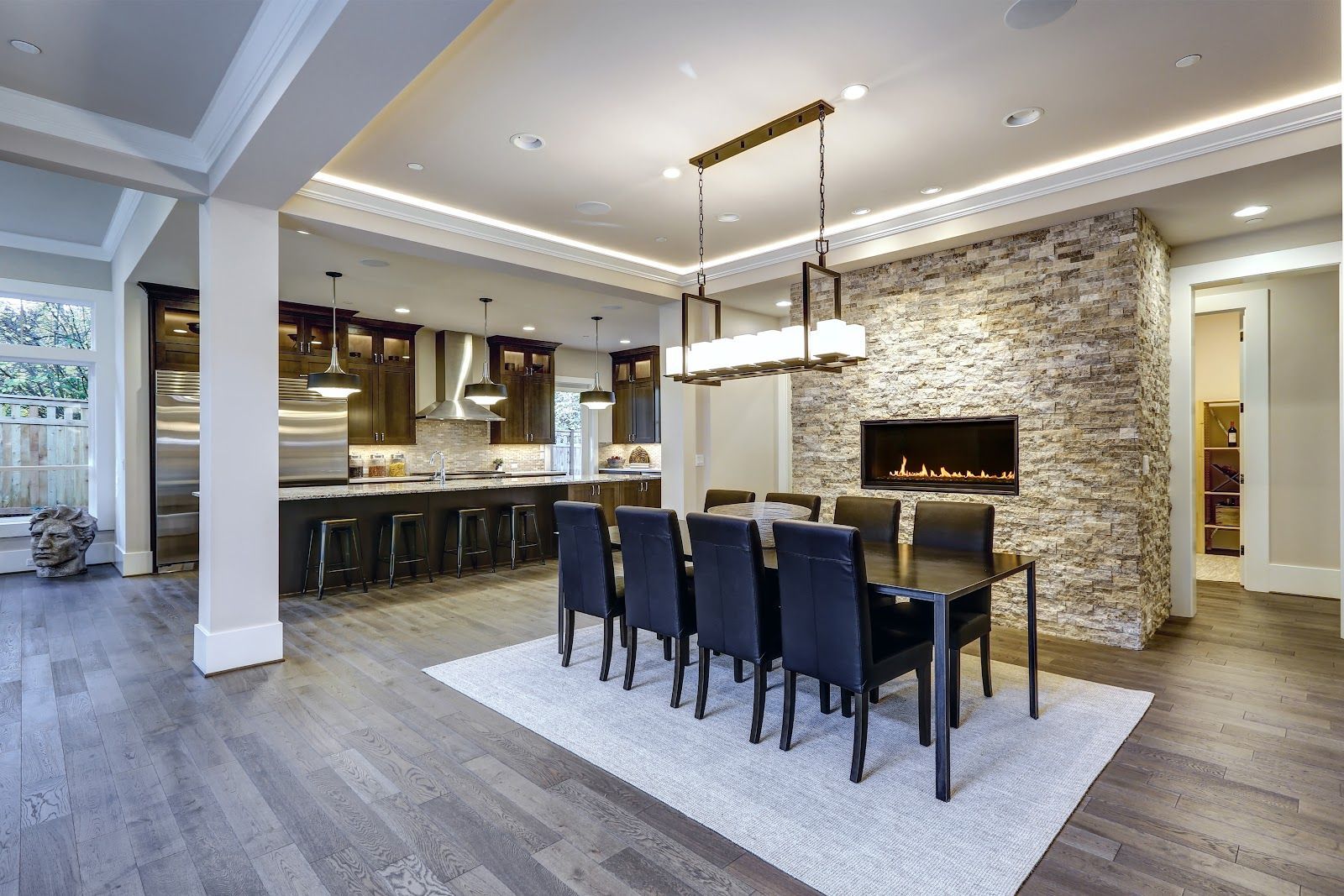
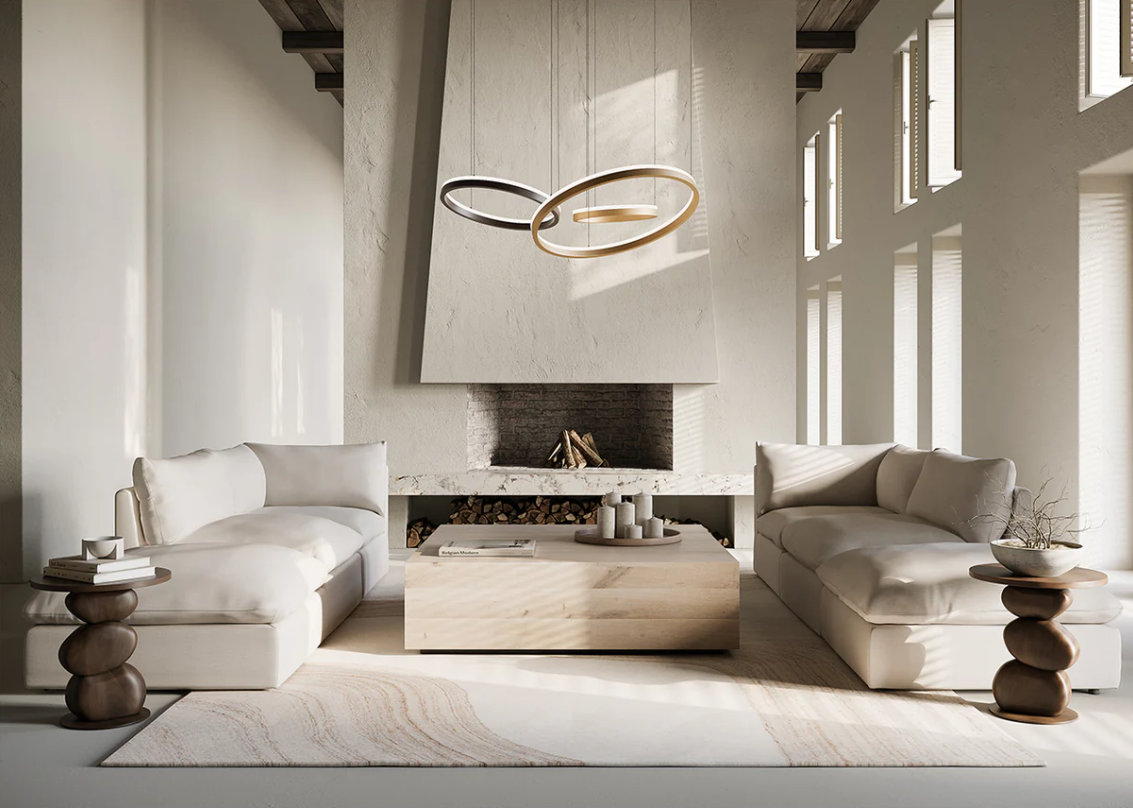
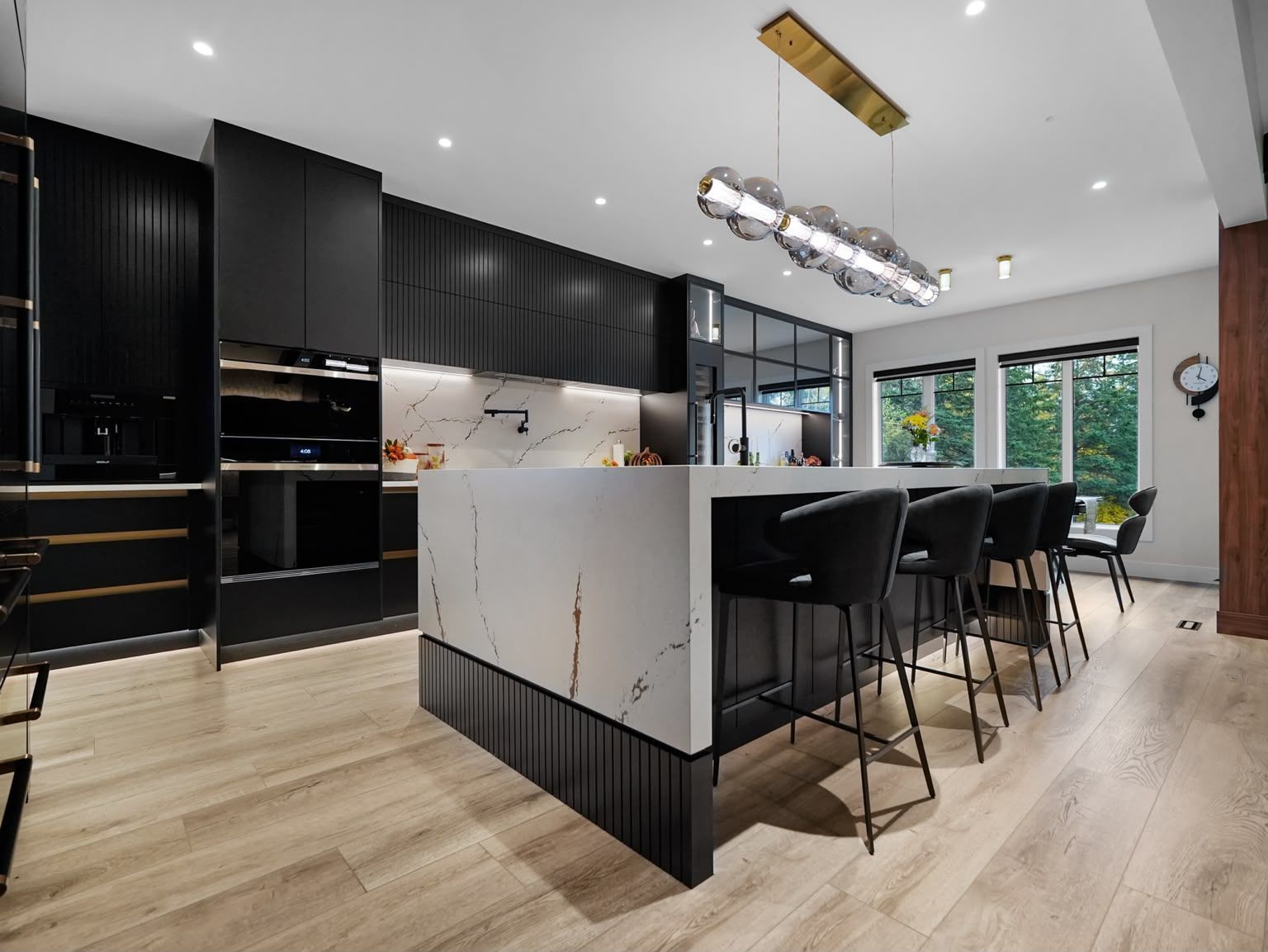
For example, natural marble can introduce movement through its distinctive veining, while walnut wood adds depth and warmth. Brushed brass creates a softer metallic accent than polished chrome, and textured plaster can give a wall dimension without introducing another bold colour.
The beauty lies in knowing what to use, where to use it, and how much of it is needed.
The Art of Mixing Materials
One of the biggest misconceptions about luxury interiors is that everything needs to match.
In reality, some of the most interesting spaces are created through contrast.
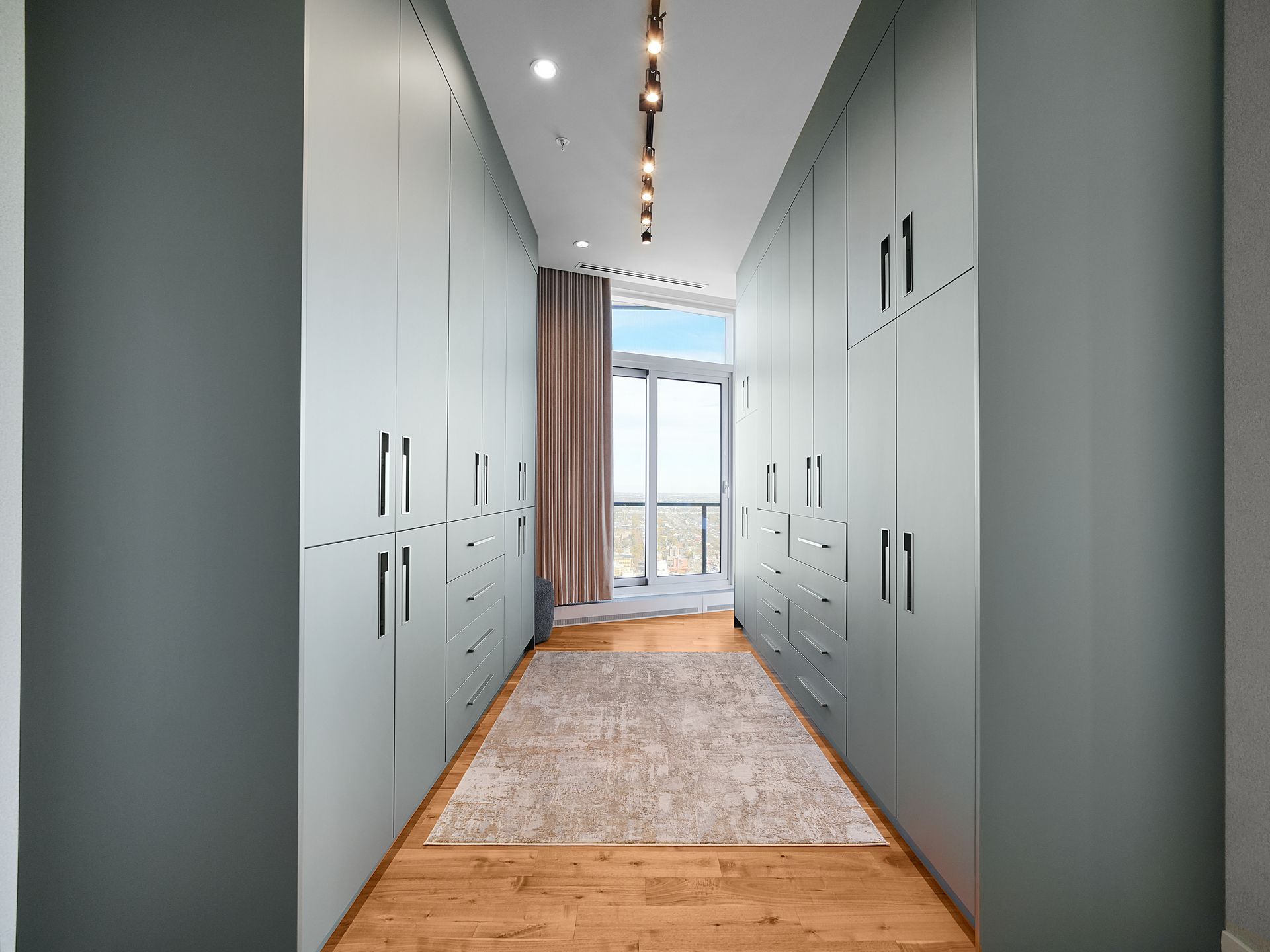
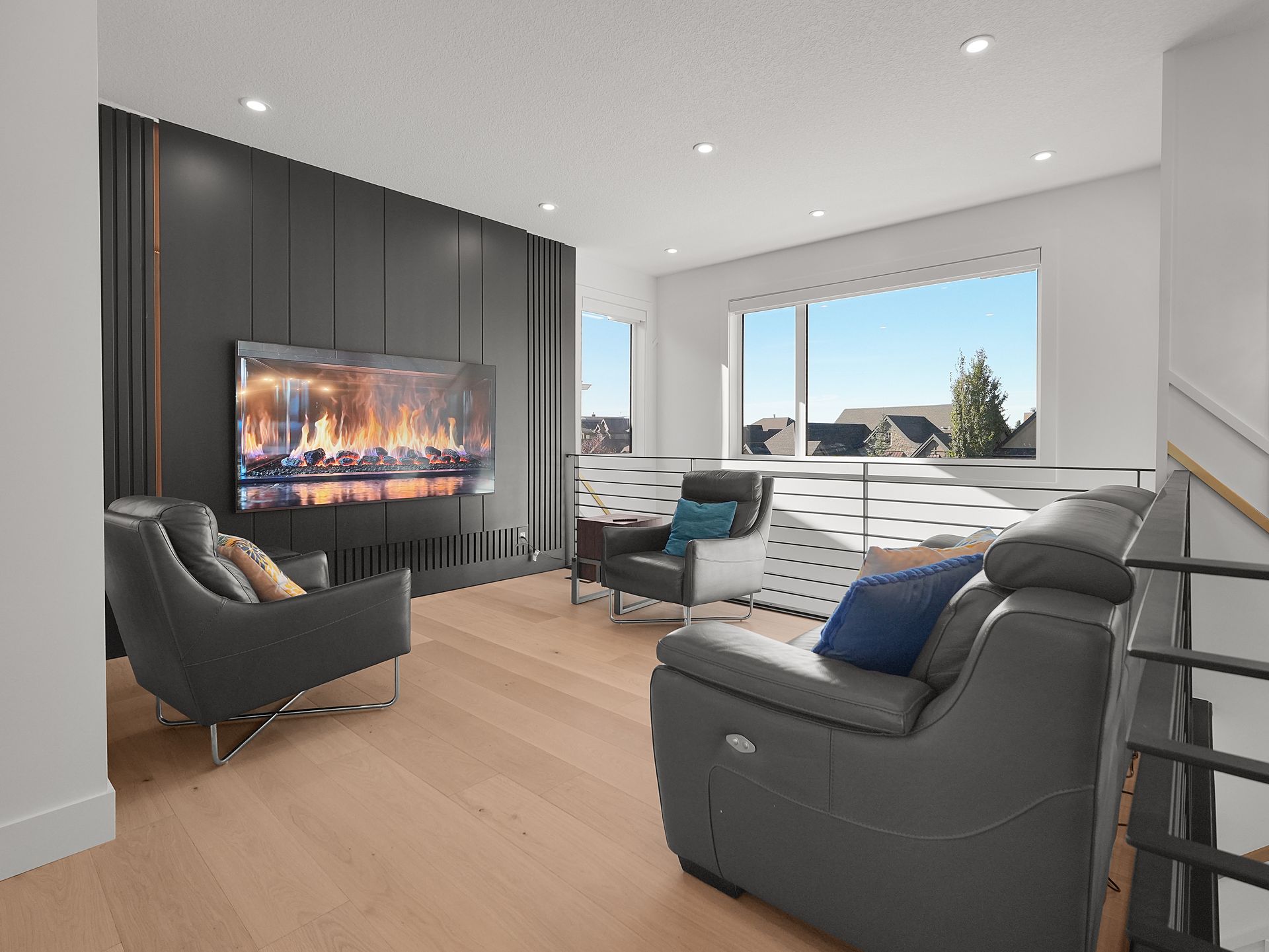
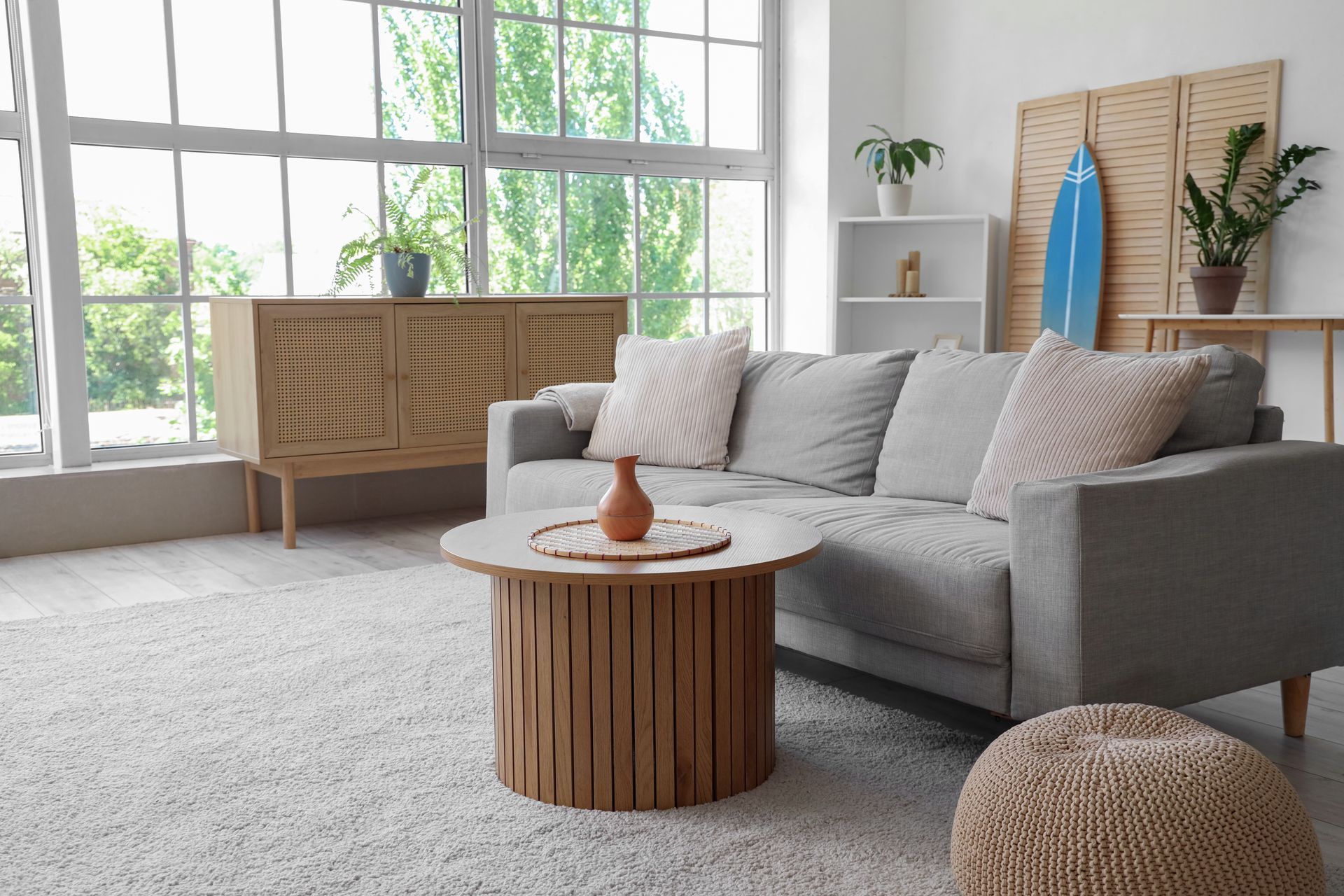
Think of a smooth stone countertop paired with textured cabinetry, warm timber alongside dark metal accents, or soft upholstery against a more structured architectural finish.
These combinations introduce visual depth and prevent a room from feeling flat or predictable.
A useful design principle is to balance contrasting textures while maintaining a connected colour palette. This allows individual materials to stand out without competing with one another.
Understanding the Relationship Between Material and Light
Here's a detail that can completely change the outcome of a design: lighting.
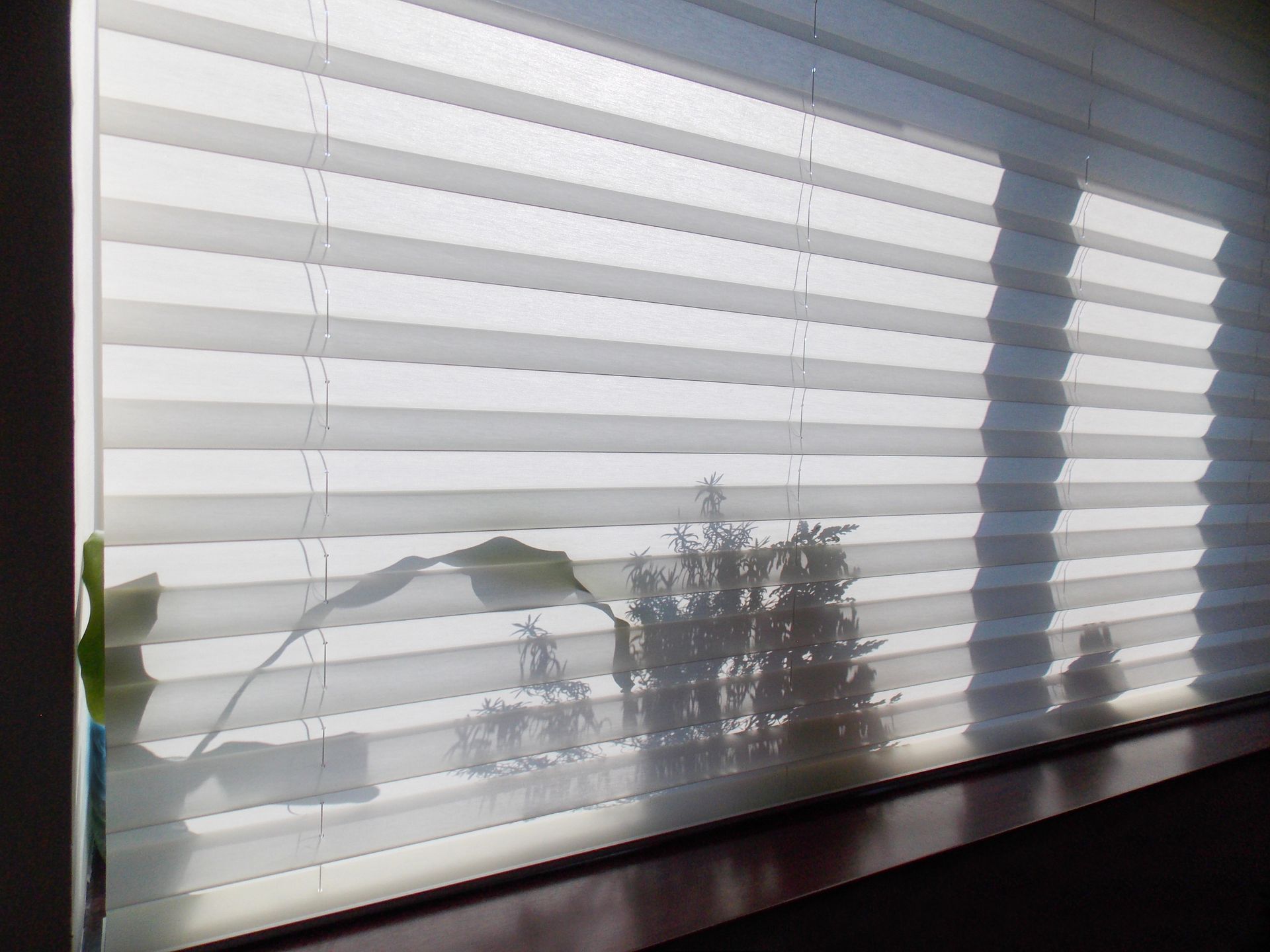
The same material can look remarkably different depending on where it's placed and how light interacts with its surface.
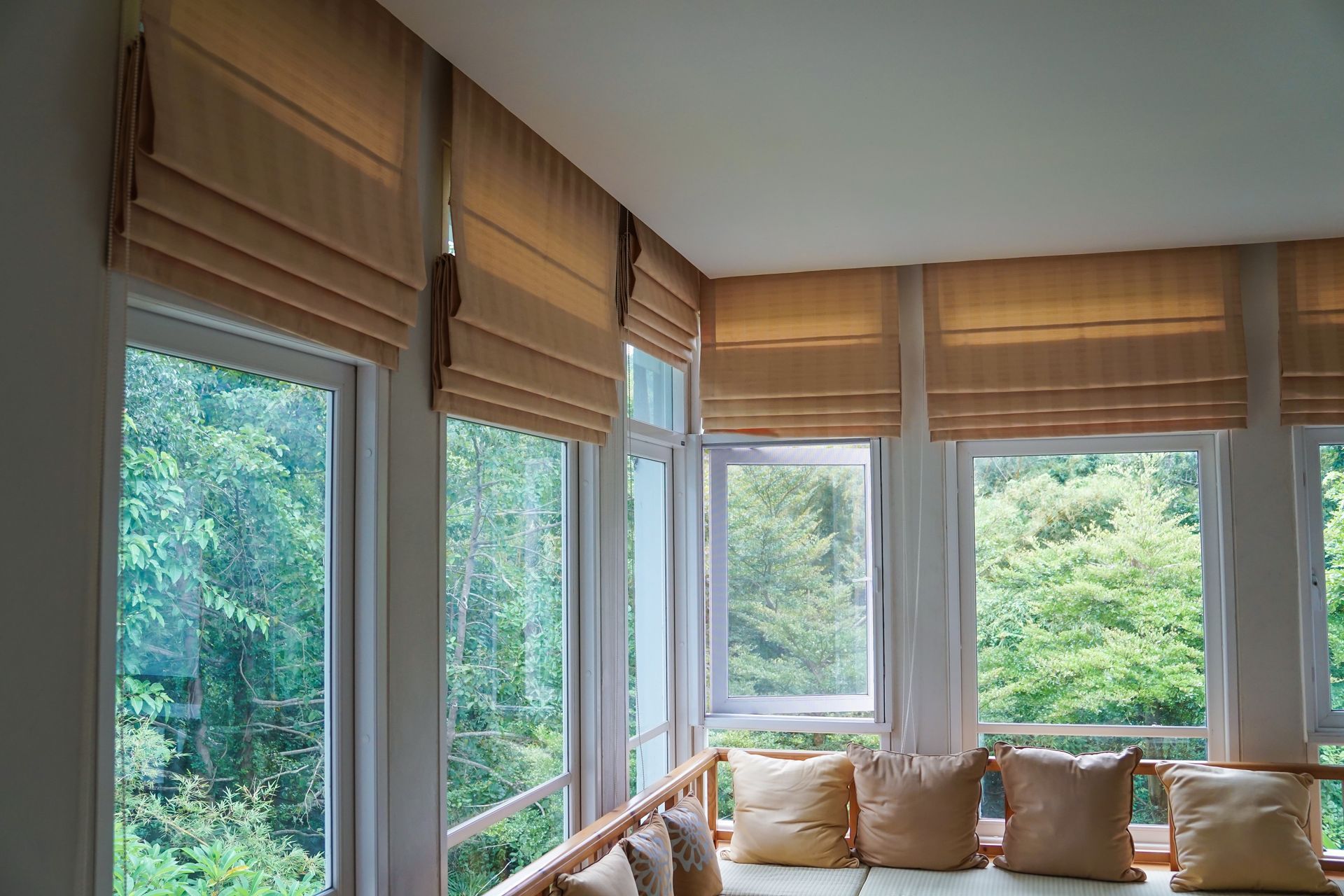
Polished finishes reflect light and can make a room feel brighter, while matte surfaces create a softer, more understated appearance. Textured materials reveal shadows and subtle variations, adding dimension throughout the day.
This is why material samples should be viewed in the actual space, under both natural and artificial lighting, before making final decisions.
Beauty Should Come With Functionality
A beautiful finish is only a successful choice if it works for the people living with it.
A kitchen countertop, for instance, needs to handle everyday use, while bathroom surfaces must be suitable for moisture and regular cleaning. High-traffic flooring requires a different level of durability than decorative wall finishes.
When evaluating materials, consider:
- Durability: How well will the material handle everyday wear?
- Maintenance: Does it require sealing, special cleaning, or regular upkeep?
- Texture and finish: Will the surface be practical as well as visually appealing?
- Longevity: Will the material continue to complement the space as design trends change?
- Application: Is it suitable for the specific area where it will be installed?
Good design considers how a home will be lived in, not just how it will look in photographs.
Creating a Cohesive Material Palette
Choosing beautiful materials individually is one thing. Making them work together is where thoughtful design really comes into play.
A material palette brings together the finishes, textures, colours, and surfaces that will define the interior.
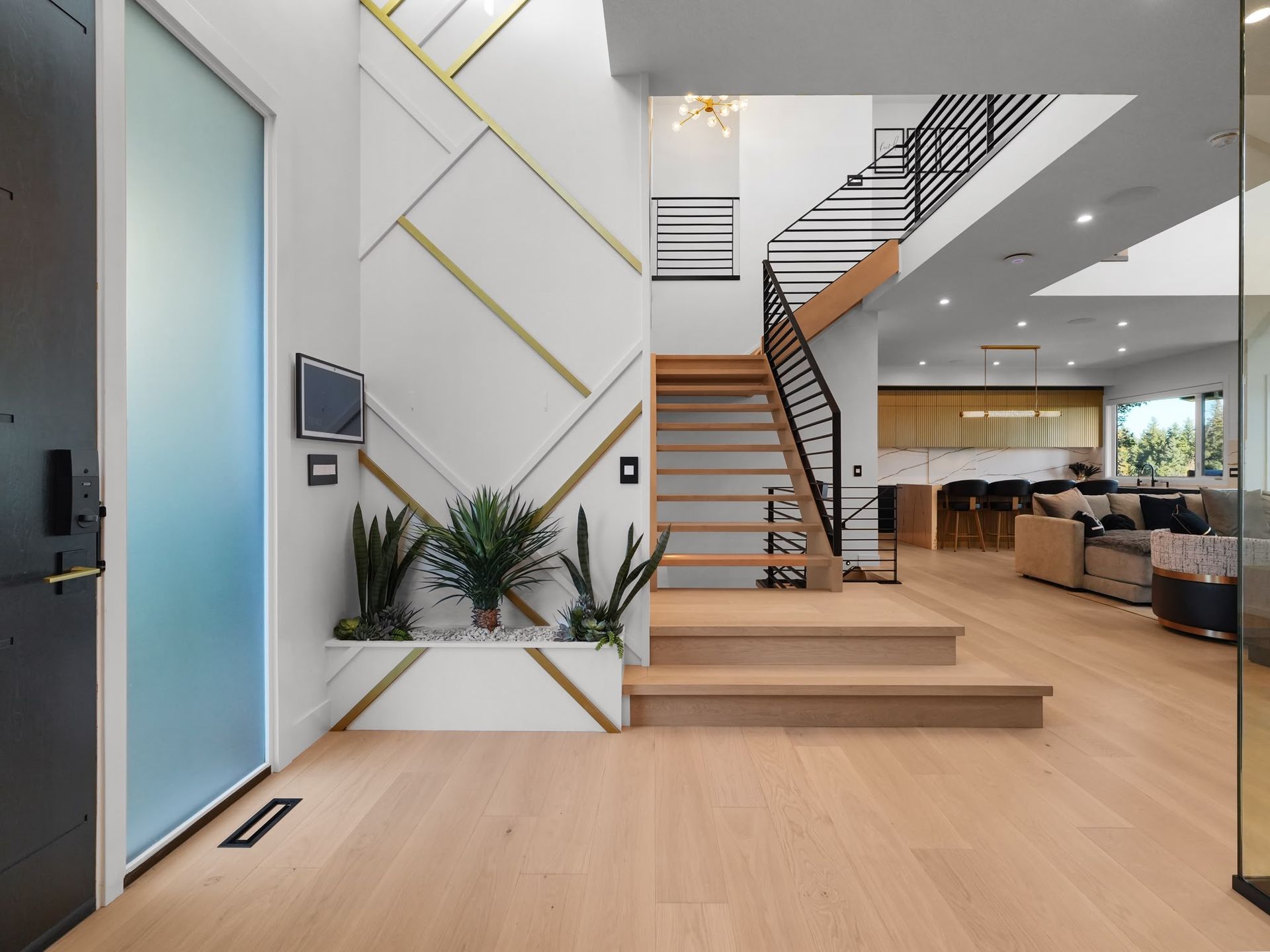
Rather than making selections room by room without considering the bigger picture, think about how materials transition from one area to another. The flooring, cabinetry, wall finishes, hardware, and furnishings should feel connected, even when each room has its own personality.
This doesn't mean everything needs to be identical. It means creating a natural flow through carefully considered combinations.
True Luxury Is in the Selection
The most memorable interiors aren't necessarily the ones with the most expensive finishes. They're the ones where every choice feels considered.
A distinctive stone, an unexpected texture, a beautifully balanced wood tone, or a subtle metallic detail can give a space its own identity.
At Flaunt Interiors, we believe great design begins with understanding the relationship between materials, architecture, and the people who experience the space. Every selection has a purpose, and every detail contributes to the bigger picture.
Because luxury isn't simply what you put into a space. It's how thoughtfully you bring it all together.
Share This Blog