August 26, 2026
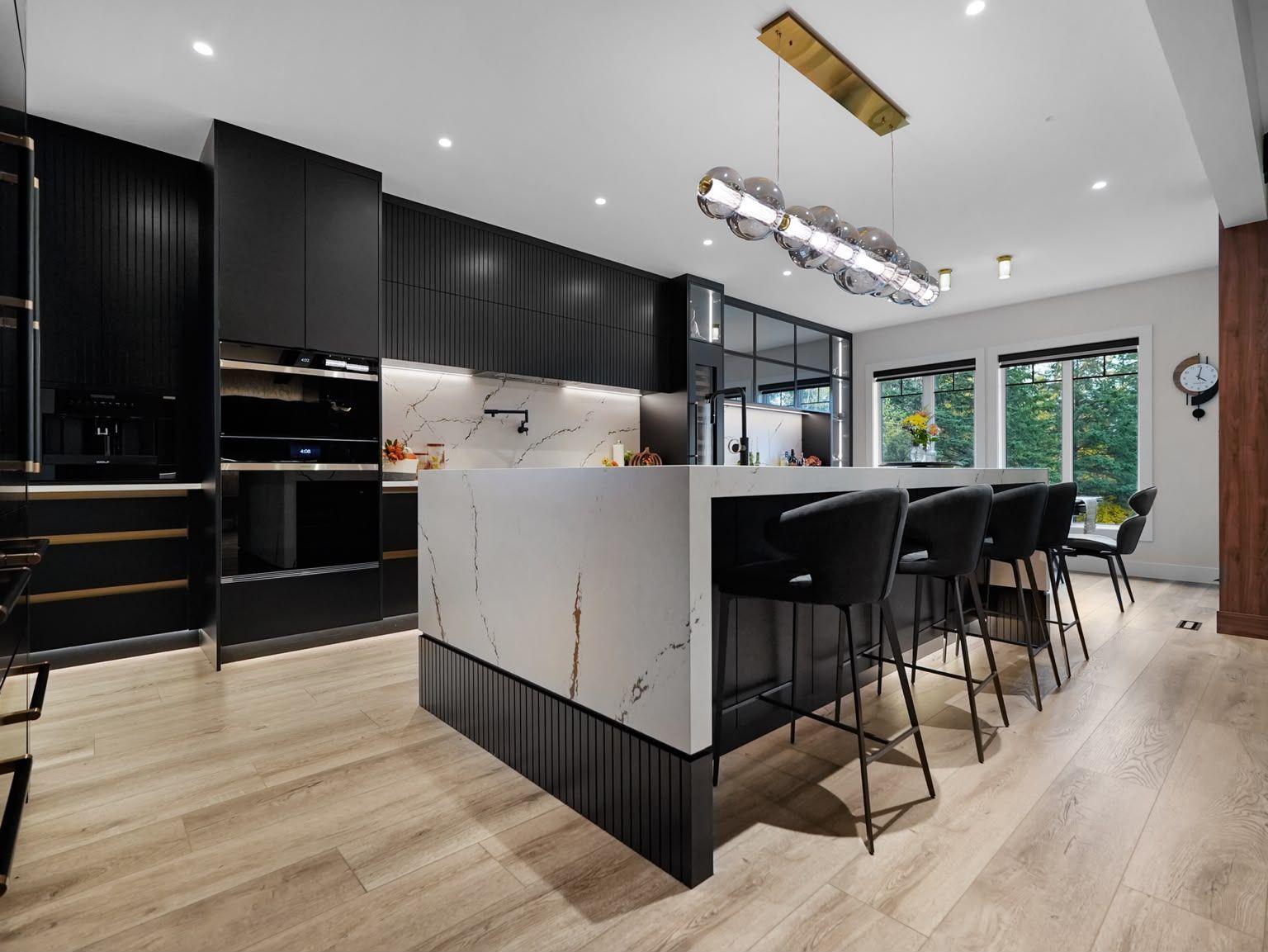
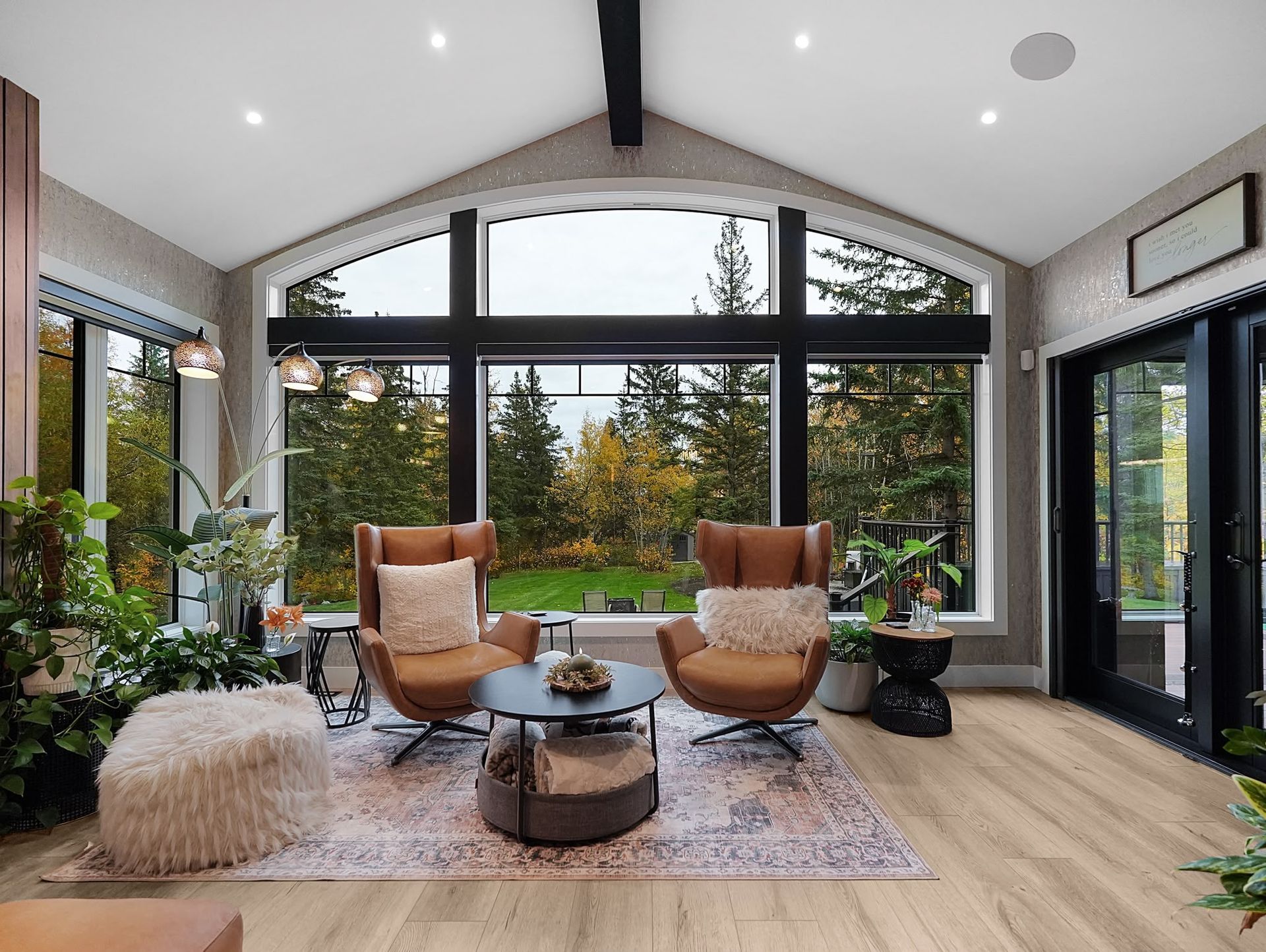
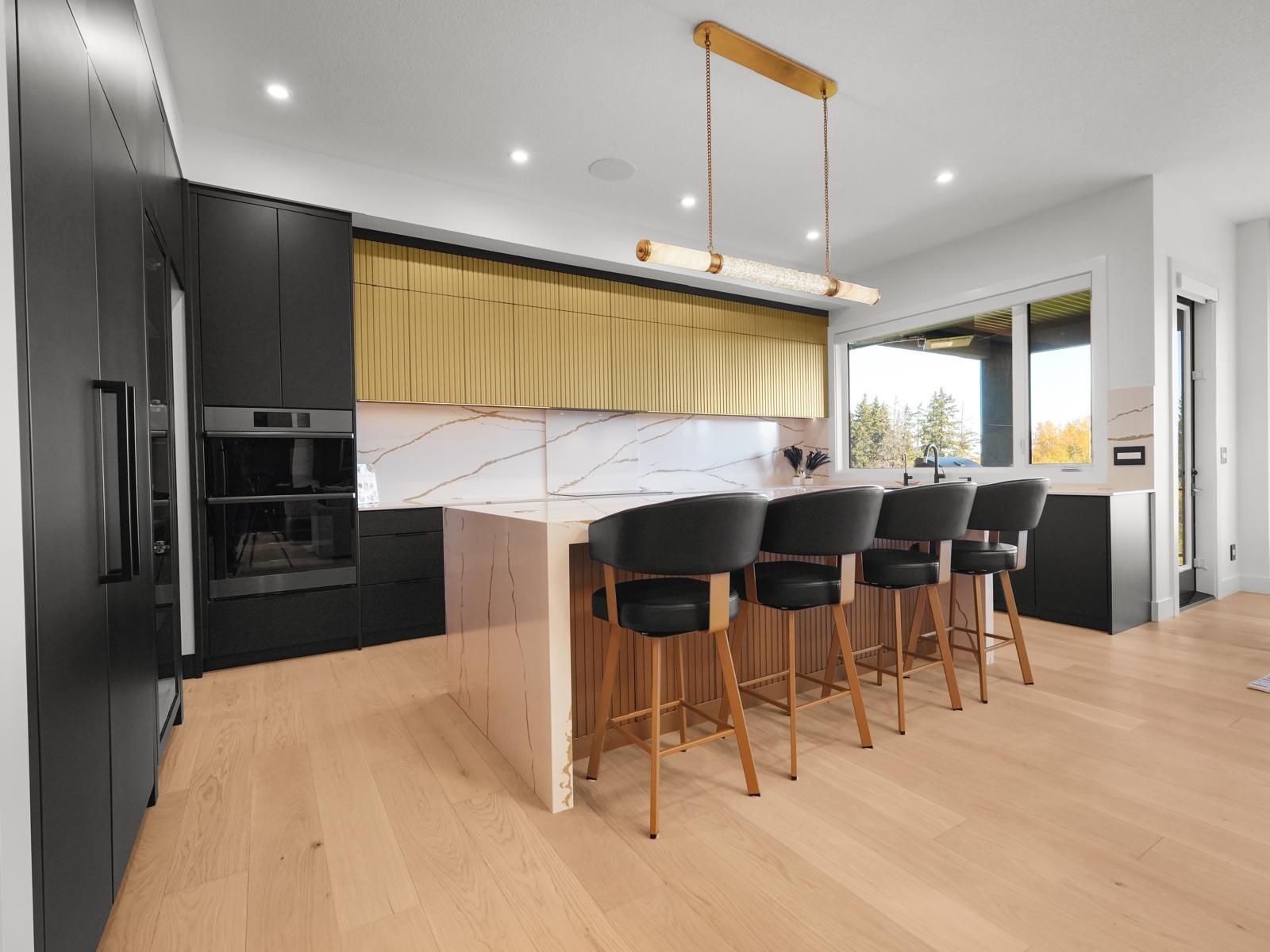
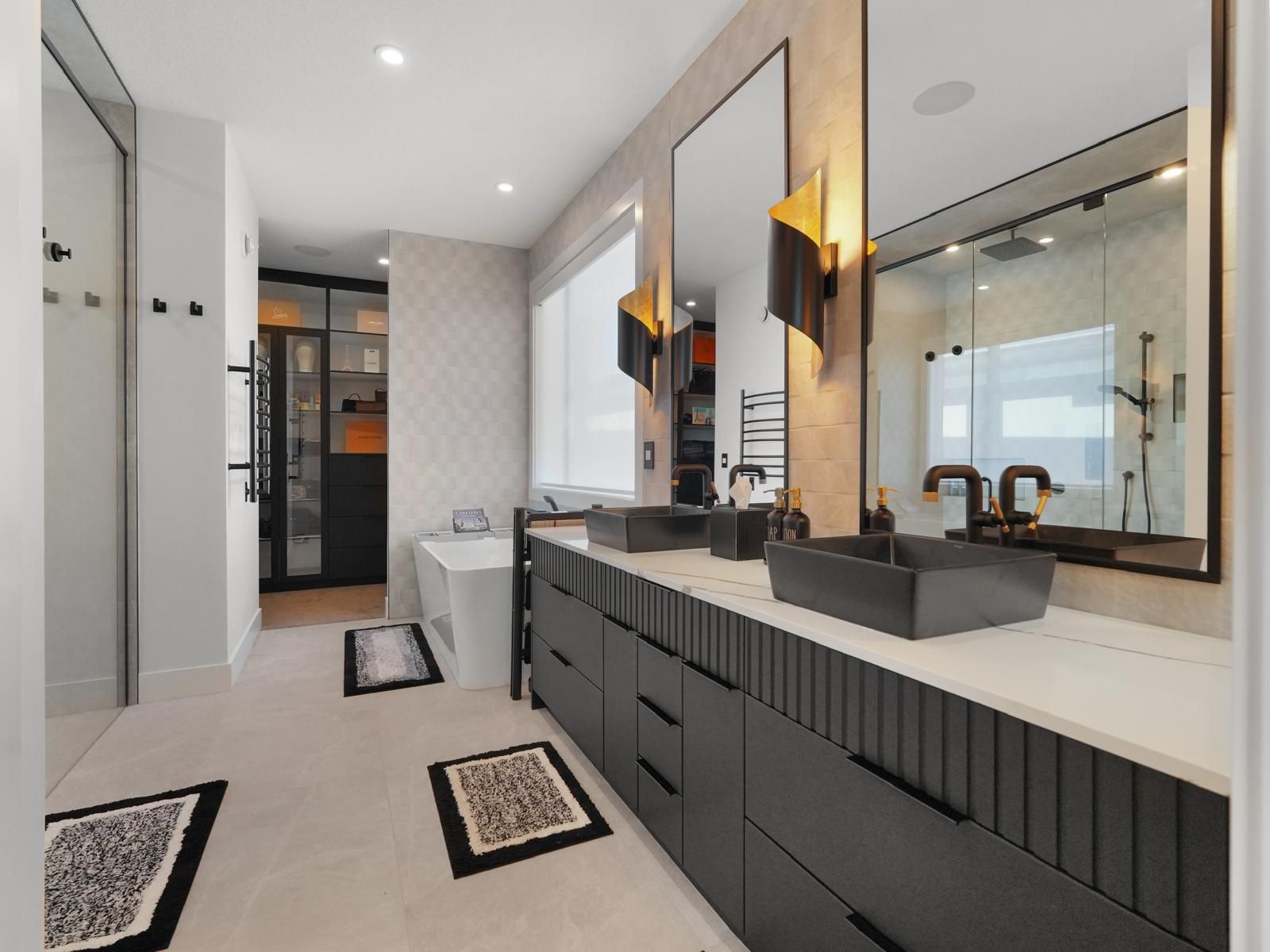
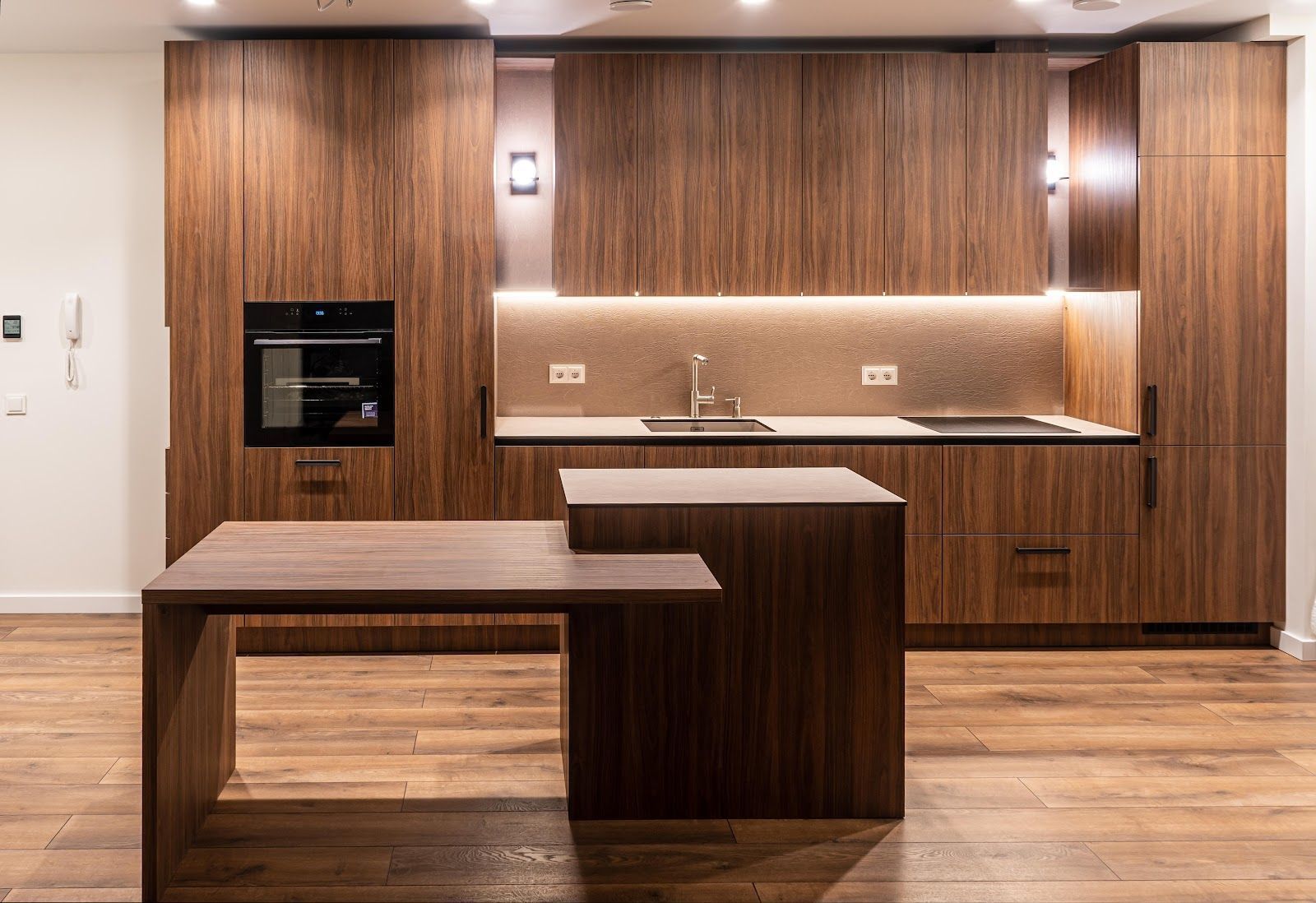
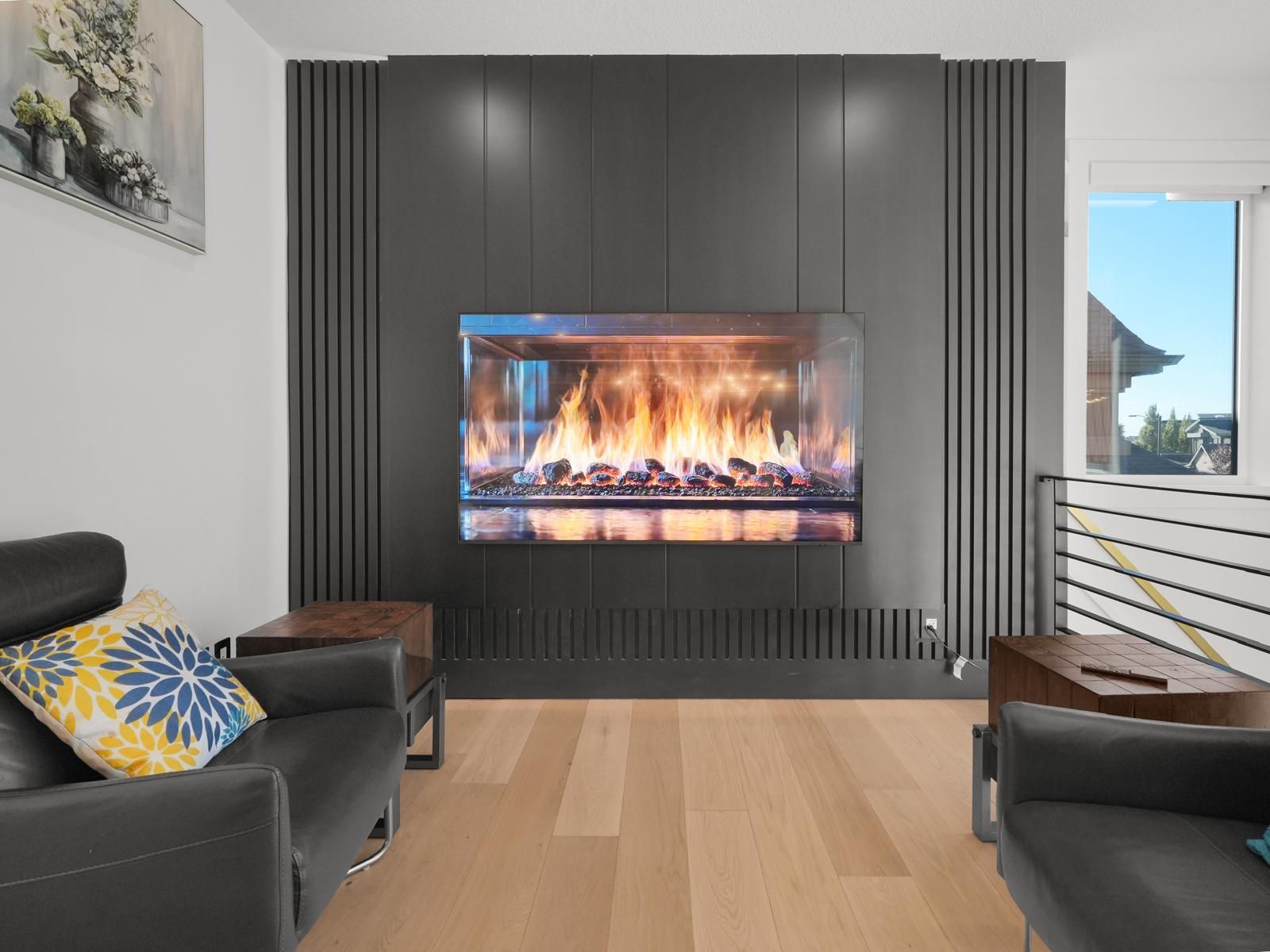
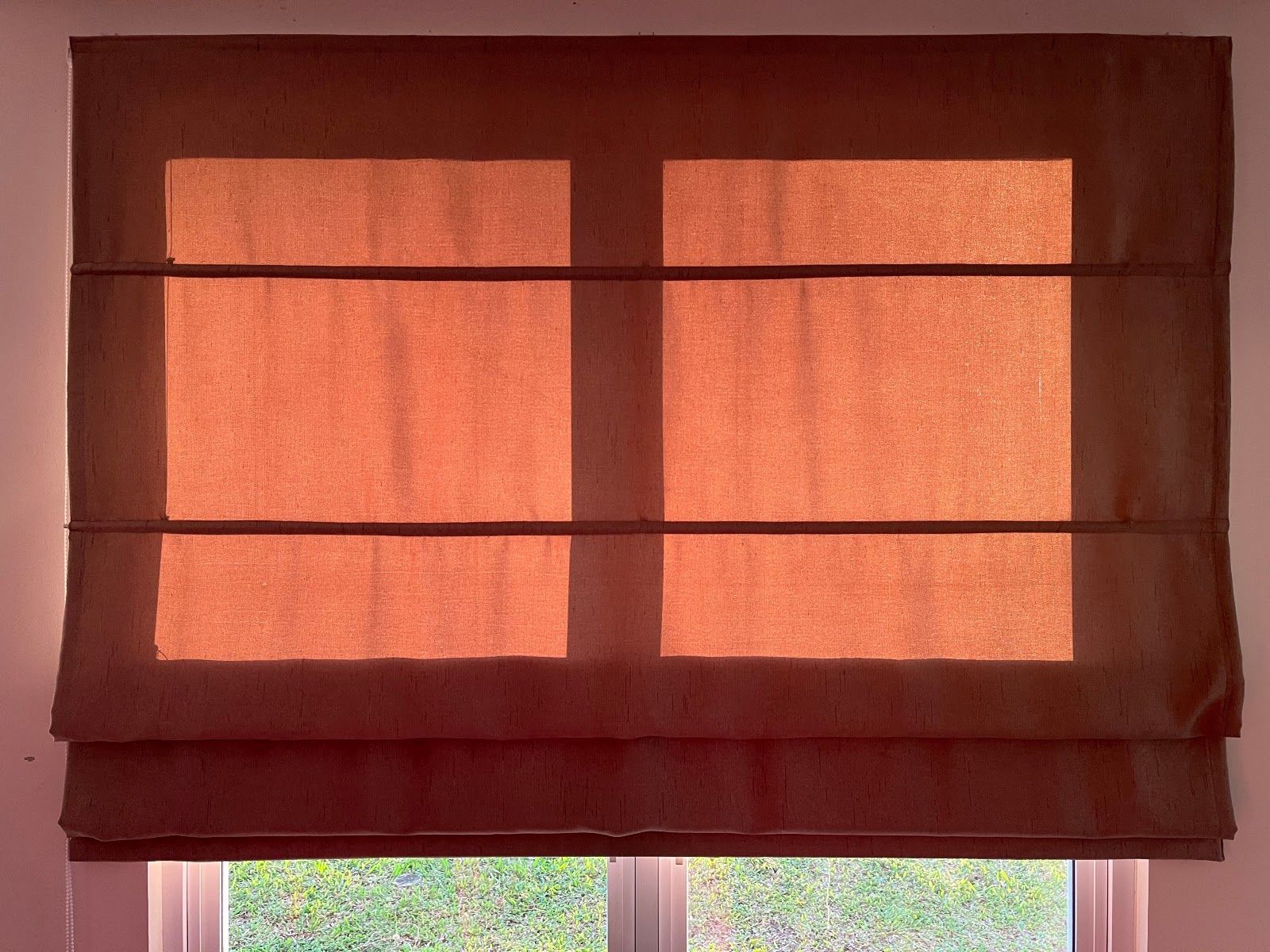
What if your home could feel like a quiet retreat—without sacrificing style, warmth, or personality? That is the beauty of Japandi interior design . A thoughtful blend of Japanese minimalism and Scandinavian warmth, Japandi creates interiors that feel calm, functional, natural, and effortlessly sophisticated. Rather than filling a room with décor, the style focuses on fewer, better, more meaningful choices . And in 2026, Japandi is evolving beyond simple beige minimalism. Designers are embracing richer woods, organic stones, tactile fabrics, curved furniture, handcrafted details, and stronger connections to nature—making the style feel warmer, more luxurious, and more personal. What Is Japandi Interior Design? Japandi combines two design philosophies that share a love for simplicity and functionality. Japanese design brings restraint, natural materials, craftsmanship, and the appreciation of imperfection. Scandinavian design adds warmth, comfort, functionality, and a welcoming sense of simplicity. Together, they create a style that is: Minimal without feeling empty Warm without feeling cluttered Sophisticated without being flashy Natural without looking rustic Functional without looking clinical The goal isn't to create a perfectly styled showroom. It is to create a home that feels intentional, peaceful, and easy to live in . 1. Start With a Warm, Earthy Colour Palette Forget stark white walls and cold grey interiors. Japandi interiors typically lean toward warm whites, beige, oatmeal, greige, soft brown, clay, muted greens, and charcoal accents. These colours create a softer visual experience while allowing natural materials to take centre stage. For a more elevated look, layer different shades within the same colour family instead of introducing too many contrasting colours. Think: Warm ivory + natural oak + taupe + stone + soft charcoal. Simple. Sophisticated. Timeless. 2. Let Natural Materials Do the Decorating One of the defining characteristics of Japandi interior design is its connection to nature. Instead of relying on excessive decoration, bring visual interest through materials such as: Natural wood Stone Linen Cotton Wool Rattan Bamboo Handmade ceramics The texture of wood grain, the softness of linen, or the subtle imperfections of handmade pottery can add character without overwhelming the room. This is where Japandi proves that minimal doesn't have to mean boring . 3. Choose Furniture With Purpose Every piece in a Japandi home should earn its place. Low-profile sofas, streamlined cabinetry, simple dining tables, sculptural chairs, and grounded furniture help maintain the style's relaxed visual flow. But don't confuse minimalism with having nothing. A beautiful curved chair, handcrafted coffee table, or sculptural pendant can become a focal point without disrupting the calm atmosphere. In fact, the latest evolution of Japandi is embracing softer curves and tactile materials to create interiors that feel more emotionally comfortable. 4. Embrace Negative Space One of the biggest secrets behind a beautiful Japandi interior? Knowing when to stop. Empty space isn't wasted space. It gives furniture, artwork, architecture, and natural materials room to breathe. Instead of filling every shelf, wall, or tabletop, choose a few meaningful pieces and allow them to stand out. This creates visual balance while making the entire home feel more spacious and peaceful. 5. Bring Nature Indoors Japandi and biophilic design naturally complement each other. Large windows, indoor plants, natural wood, stone surfaces, organic textures, and plenty of daylight can help create a stronger connection between the interior and the outdoors. Even a single sculptural branch or carefully positioned plant can become an intentional design element. The idea is simple: Don't decorate with nature. Design with nature. 6. Use Lighting to Create Atmosphere Lighting can make or break a Japandi space. Instead of relying entirely on bright overhead lighting, layer different sources throughout the room. Consider: Soft pendant lights Paper or fabric shades Warm recessed lighting Sculptural floor lamps Subtle accent lighting Natural daylight The result should feel warm and atmospheric rather than overly bright or clinical. 7. Add the Beauty of Imperfection Japandi also draws inspiration from the Japanese concept of wabi-sabi —the appreciation of simplicity, authenticity, and imperfection. That might mean choosing a ceramic vase with an irregular glaze, wood with visible grain, handmade tiles, or a naturally textured stone surface. These details prevent the interior from feeling overly polished or mass-produced. Perfectly imperfect is often what makes a space feel personal. Is Japandi Interior Design Right for Your Home? If you love clean spaces but don't want your home to feel cold, Japandi could be the perfect design direction. It works especially well for: Modern homes Luxury condos Open-concept spaces Minimalist apartments Contemporary kitchens Serene bedrooms Wellness-inspired interiors And because Japandi focuses on timeless materials and intentional design rather than short-lived décor trends, it can create a home that continues to feel relevant for years. The Future of Japandi: Warmer, Richer, More Personal Japandi is moving beyond the predictable combination of pale wood and beige. Today's interpretation is becoming more sculptural, tactile, nature-inspired, and luxurious , with deeper timber tones, organic stone, handmade elements, curves, and personalized objects entering the conversation. That evolution makes Japandi especially exciting for homeowners who want a sophisticated interior without excessive ornamentation. Create a Home That Feels as Good as It Looks The best Japandi interior design isn't about copying a Pinterest image. It's about understanding the principles behind the style and translating them into a home that reflects your lifestyle. Because true luxury isn't always about adding more. Sometimes, it's about knowing exactly what deserves to stay.