Architectural Feature Walls: The Wall That Changes Everything
What if the wall you ignore is actually the most powerful design opportunity in your home?
We usually think about walls as backgrounds.
They hold paintings. They separate rooms. They sit quietly behind the furniture.
But a well-designed wall can do something completely different.
It can change the mood, proportions, and personality of an entire space.
That is the power of an architectural feature wall.
Don't Just Decorate the Wall. Design It.
A feature wall isn't simply a darker paint colour or a piece of oversized artwork.
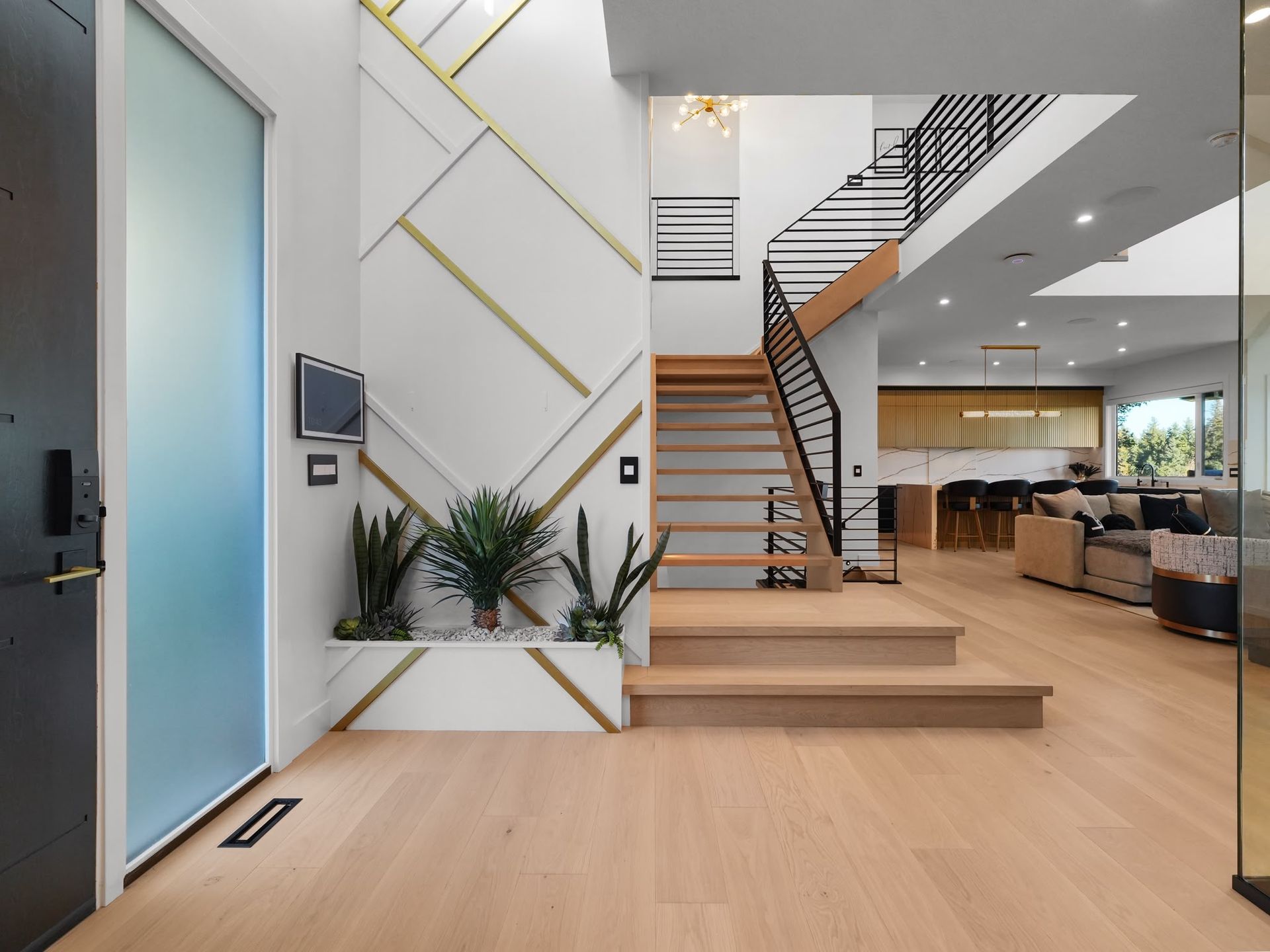
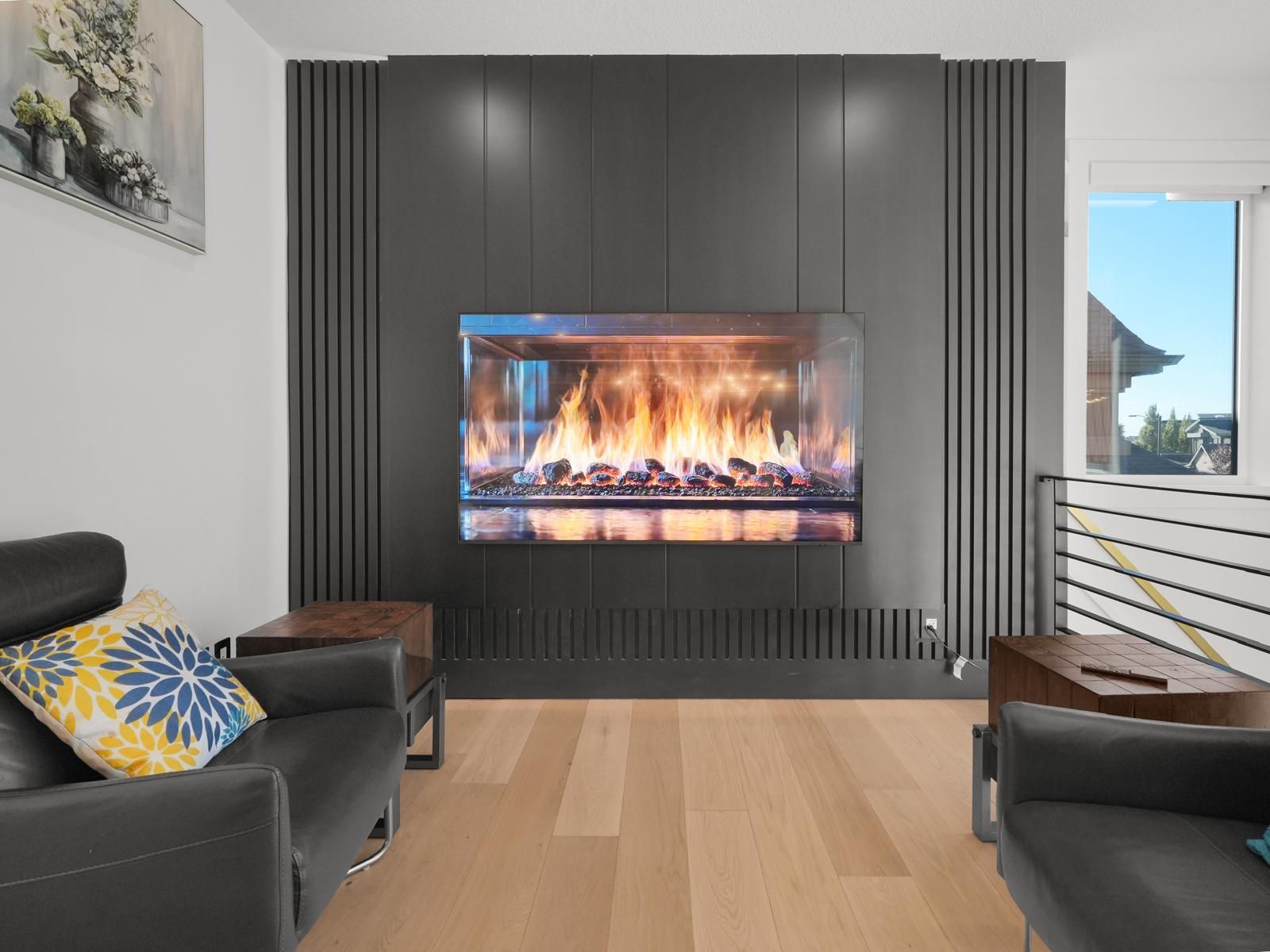
It can be a full-height timber installation, a dramatic stone surface, a sculptural plaster finish, integrated shelving, concealed cabinetry, or even a hidden doorway that disappears into the wall.
The idea is simple:
Stop treating the wall as a backdrop. Start treating it as architecture.
The Secret Is in What You Don't See First
The most sophisticated feature walls rarely scream for attention.
Instead, you notice something feels different.
The room feels taller.
The furniture feels more connected.
The lighting feels warmer.
The space feels finished.
And then you look closer and realize it's the wall doing the work.
That's what makes great architectural feature wall design so powerful—it influences the entire room without overpowering it.
Make Height Work in Your Favour
Got high ceilings?
Use them.
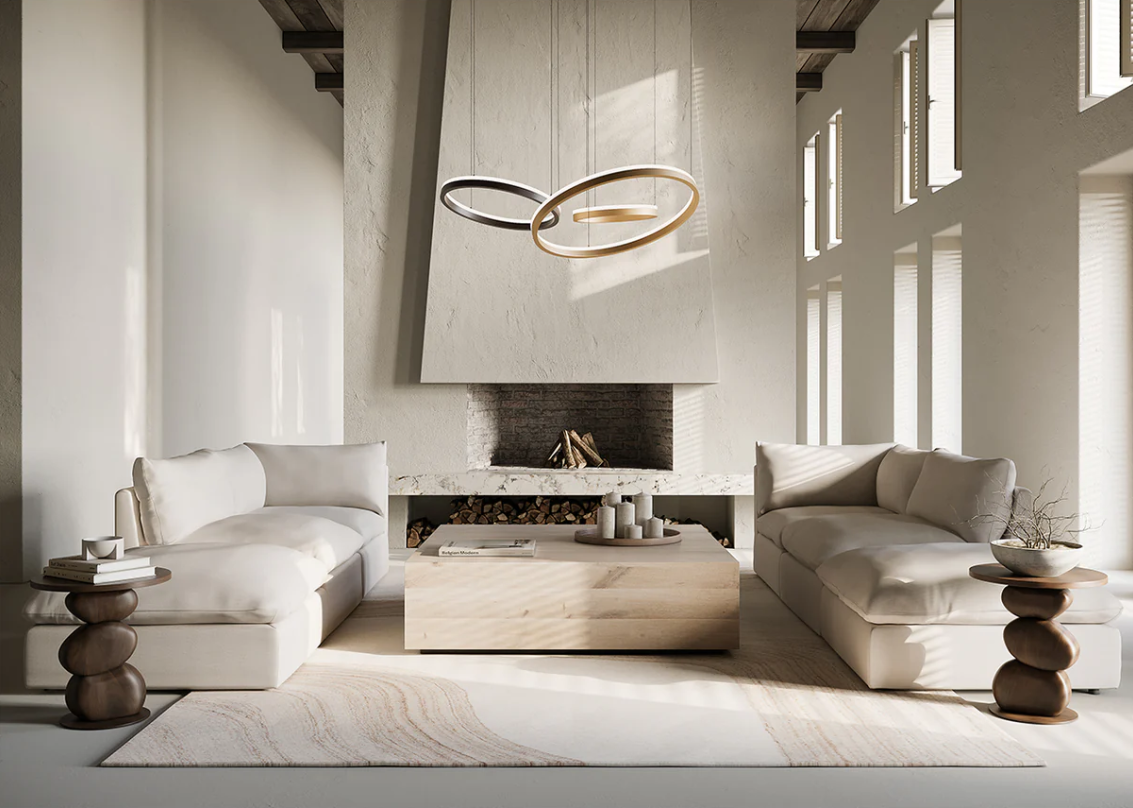
Floor-to-ceiling panels can emphasize verticality and make an already tall room feel dramatically more expansive.
In a smaller room, the same principle can create the illusion of height without adding a single square foot.
Sometimes, the best way to make a room feel bigger is to make the eye look upward.
Give Light Something to Play With
Flat walls stay flat.
Texture doesn't.
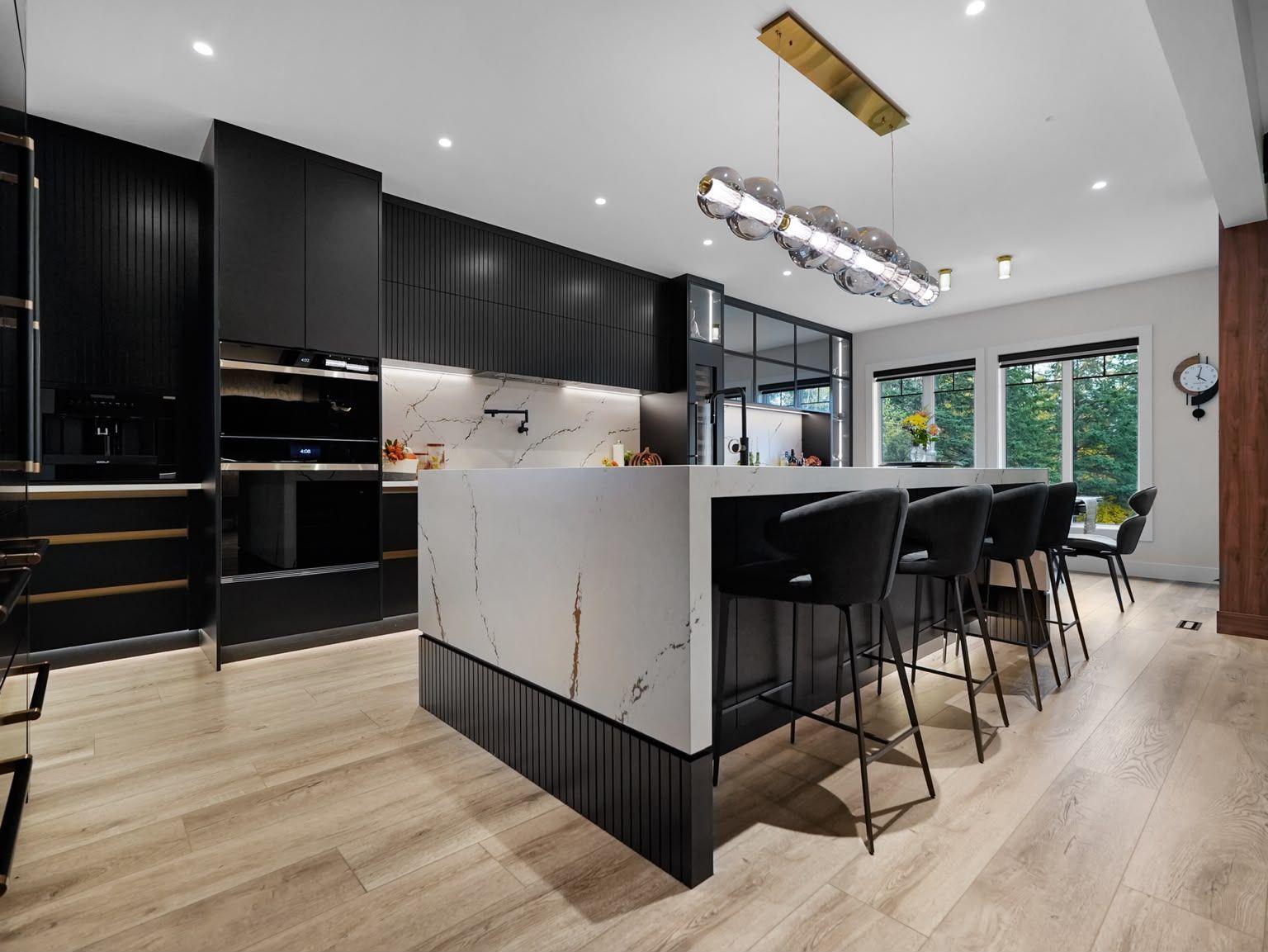
Wood grain, fluted panels, natural stone, textured plaster, and layered surfaces create shadows that change throughout the day.
Add integrated lighting, and the wall takes on an entirely different personality after sunset.
Morning light might reveal the natural texture of timber.
Evening lighting might turn the same wall into a warm architectural statement.
Good design changes with the light.
When Beauty Becomes Functional
The most interesting feature walls aren't always decorative.
They can hide things.
A television can disappear into custom cabinetry.
Storage can be integrated behind seamless panels.
A fireplace can become the centre of the composition.
A home office can be concealed behind architectural doors.
Suddenly, something practical becomes part of the visual story.
That's where luxury interior design gets interesting—when function stops looking functional.
One Material Can Be Enough
More isn't always more.
A single material used thoughtfully can have greater impact than a wall covered in competing finishes.
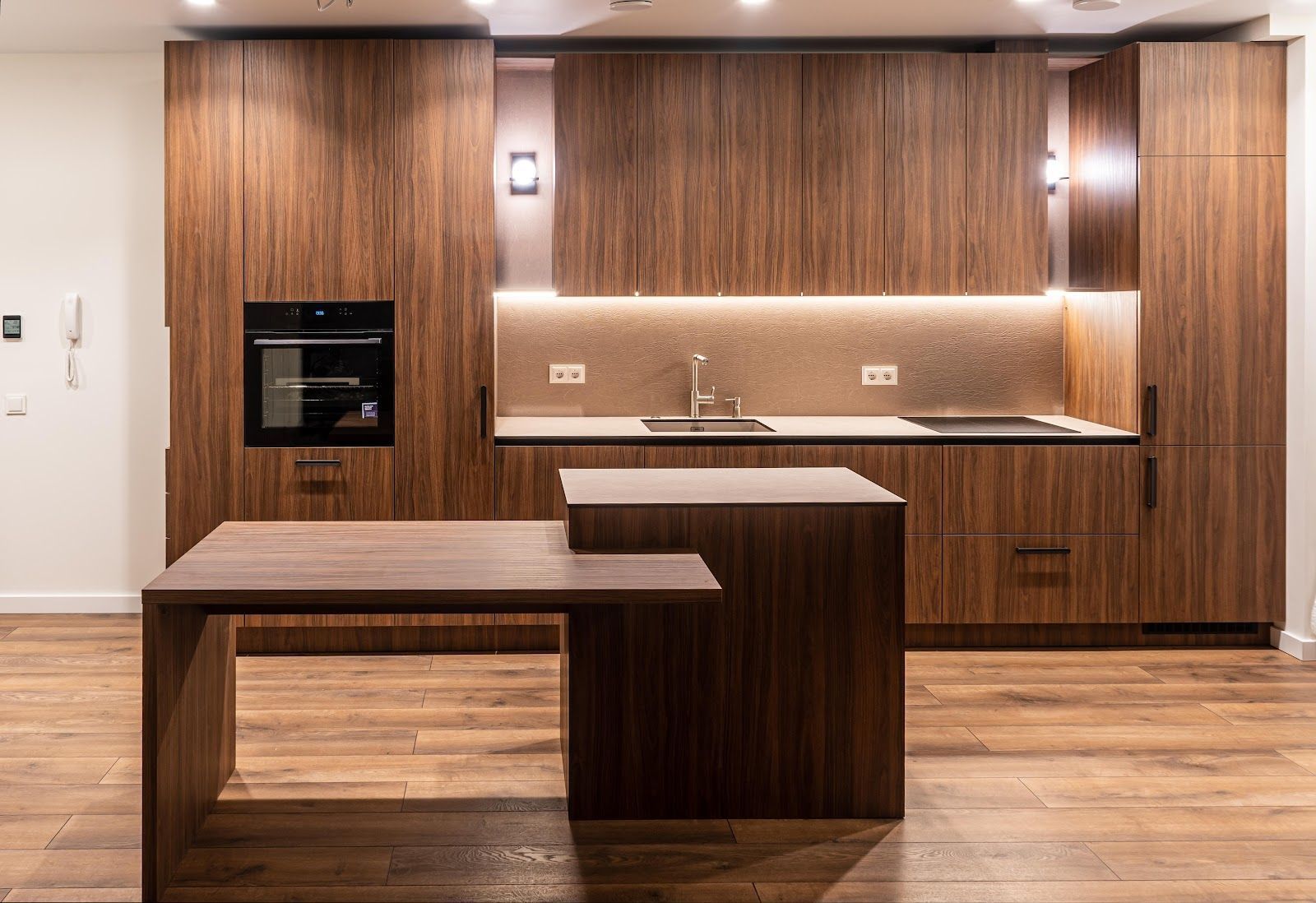
Warm walnut can bring intimacy.
Travertine can create an earthy, refined feeling.
Dark stone can add drama.
Textured plaster can create softness.
The secret isn't choosing the most expensive material.
It's choosing the material that belongs in that room.
Design the Wall Around the People
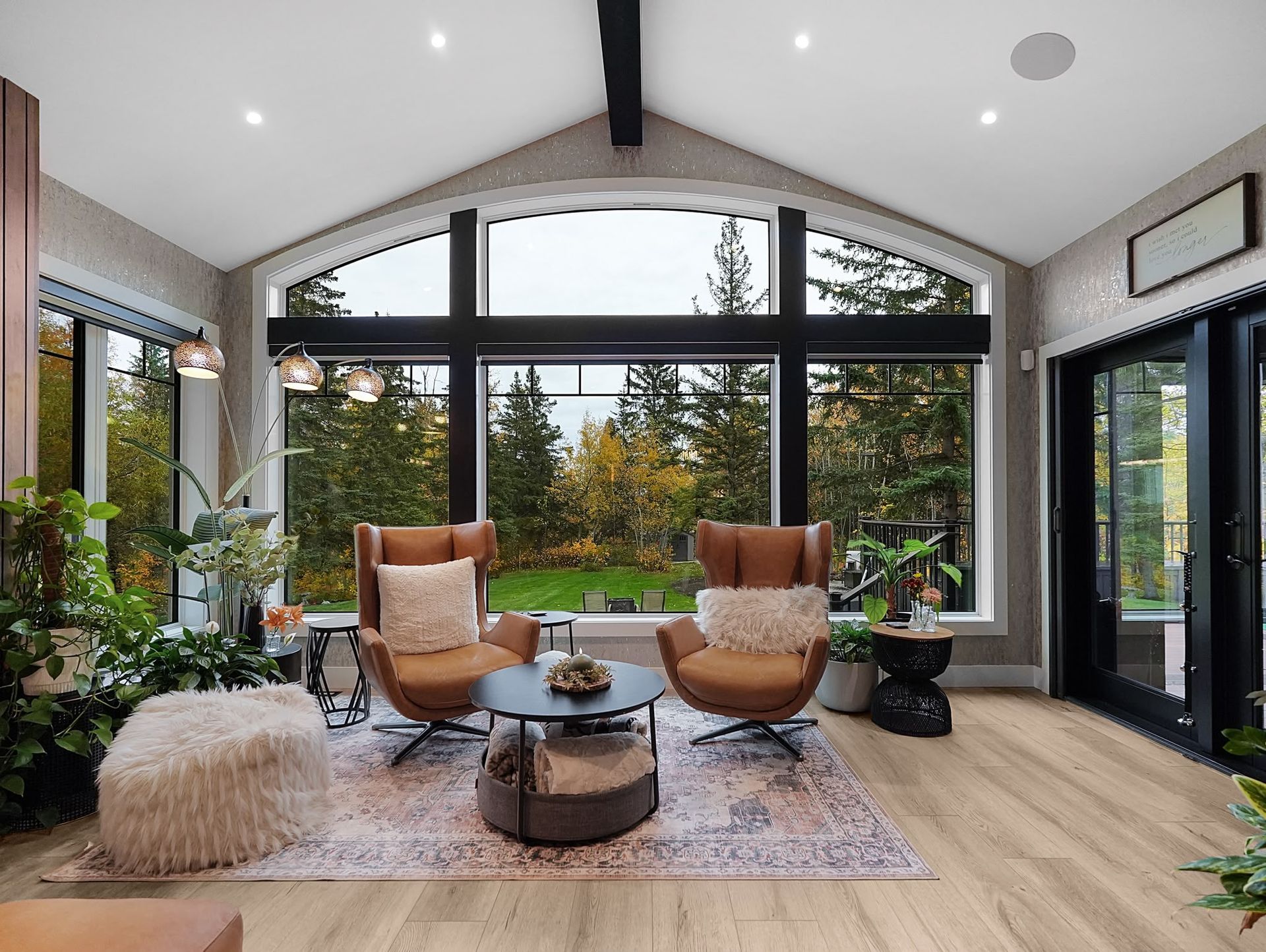
A beautiful feature wall should still feel like home.
If the living room is designed for conversation, the wall might create a warm focal point around the seating area.
If it's a media room, technology can disappear into the design.
If it's a bedroom, soft textures and indirect lighting can create a sense of calm.
The best feature wall isn't the one that gets the most compliments.
It's the one that makes you want to stay in the room.
The New Definition of a Statement Wall
Forget loud colours and predictable accent walls.
Today's luxury feature walls are becoming more architectural, tactile, and integrated.
Think:
Stone + soft lighting.
Wood + concealed storage.
Plaster + sculptural curves.
Millwork + hidden doors.
Texture + natural light.
The statement isn't always “Look at me.”
Sometimes it's simply:
“Everything here was considered.”
Your Wall Has More Potential Than You Think
A blank wall is not unfinished.
It's an invitation.
With the right proportions, materials, lighting, and craftsmanship, it can become the architectural element that gives a room its identity.
Because great interiors aren't created by filling every empty surface.
They're created by knowing which surfaces deserve to become something more.
Share This Blog