Interior Design Mistakes to Avoid: 6 Things Designers Notice Immediately
Sometimes you walk into a room and immediately notice that something feels wrong.
Nothing looks bad, exactly. The furniture is beautiful. The colours work. The décor is nice.
And yet… it doesn't feel right.
That's because good interior design isn't simply about choosing beautiful pieces. It's about how those pieces relate to the room, the architecture, the light, and the way you live.
If you're refreshing your home, these are six interior design mistakes to avoid before you start buying, styling, or renovating.
1. Starting With What You Like Instead of What the Room Needs
We all have that one Pinterest board—or ten.
But falling in love with a piece before understanding your space can lead to a room that looks good individually but doesn't work as a whole.
Start with the room's layout, natural light, dimensions, function, and traffic flow.
Then bring in the pieces you love.
Your home should be designed around your life—not around a shopping list.
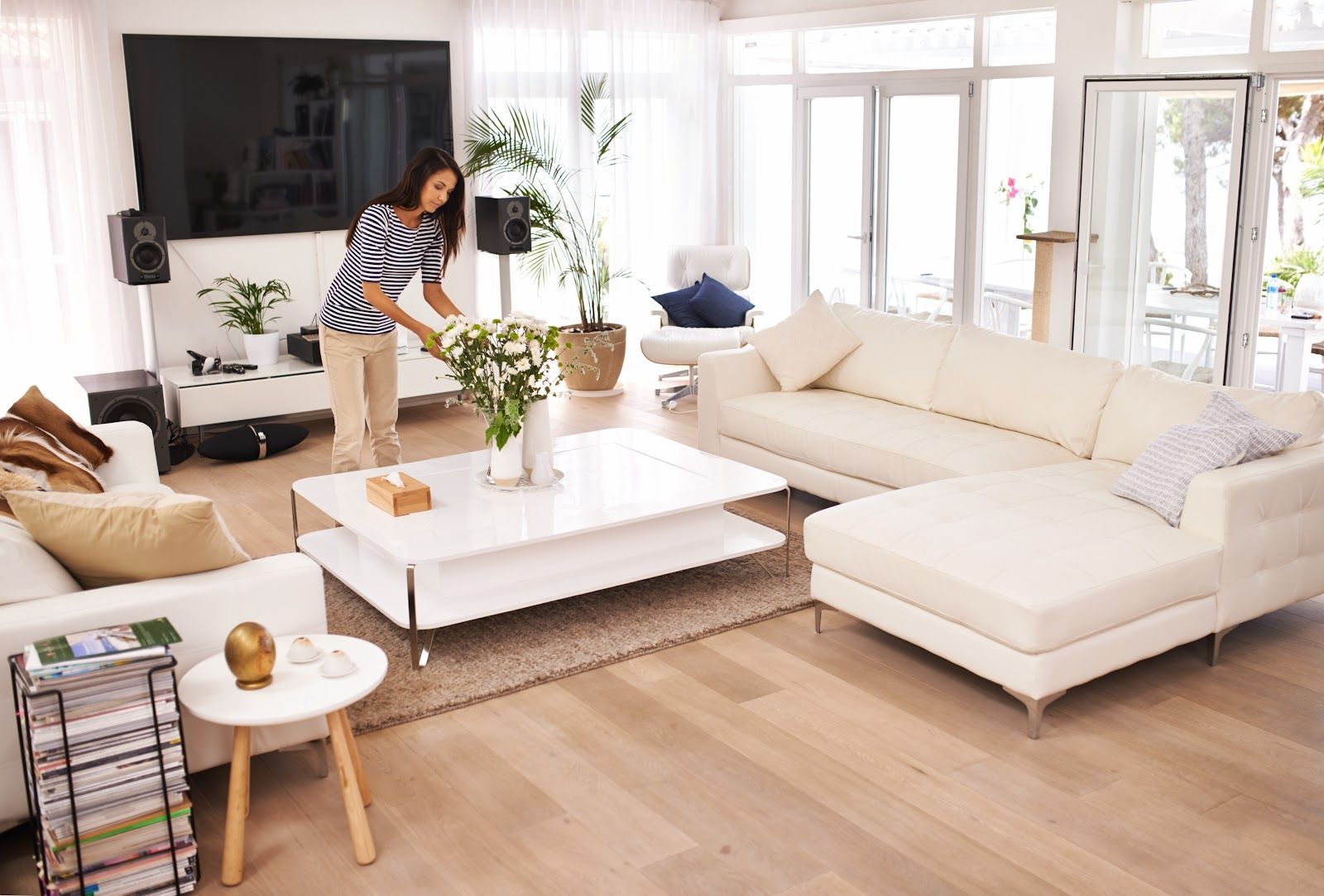
2. Pushing Every Piece Against the Wall
It feels logical: push the sofa back, move the chairs against the wall, and suddenly you have more floor space.
Except… sometimes the room feels even smaller.
Floating furniture can create better conversation areas, define zones, and improve circulation.
Don't automatically treat your walls like parking spaces.
Give your furniture a little breathing room.
3. Getting the Scale Wrong
This is one of the easiest ways to make an otherwise beautiful room feel awkward.
A tiny coffee table beside an oversized sectional.
A small piece of artwork floating on a huge wall.
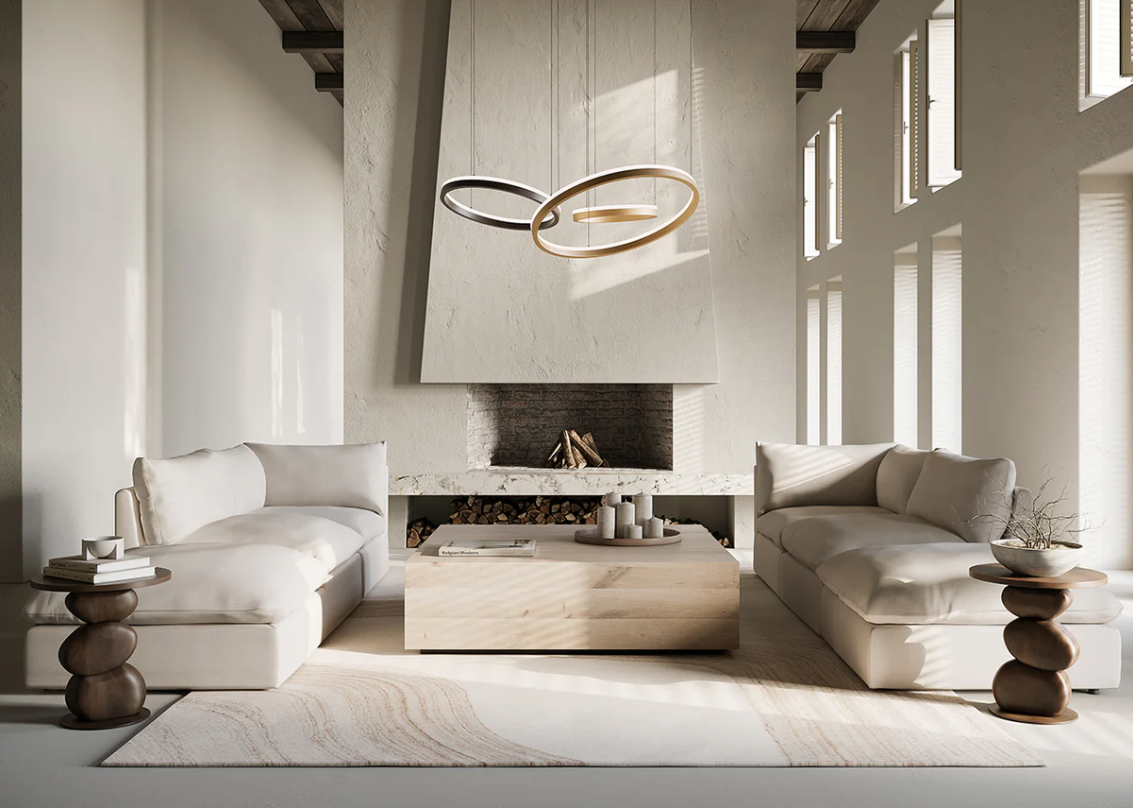
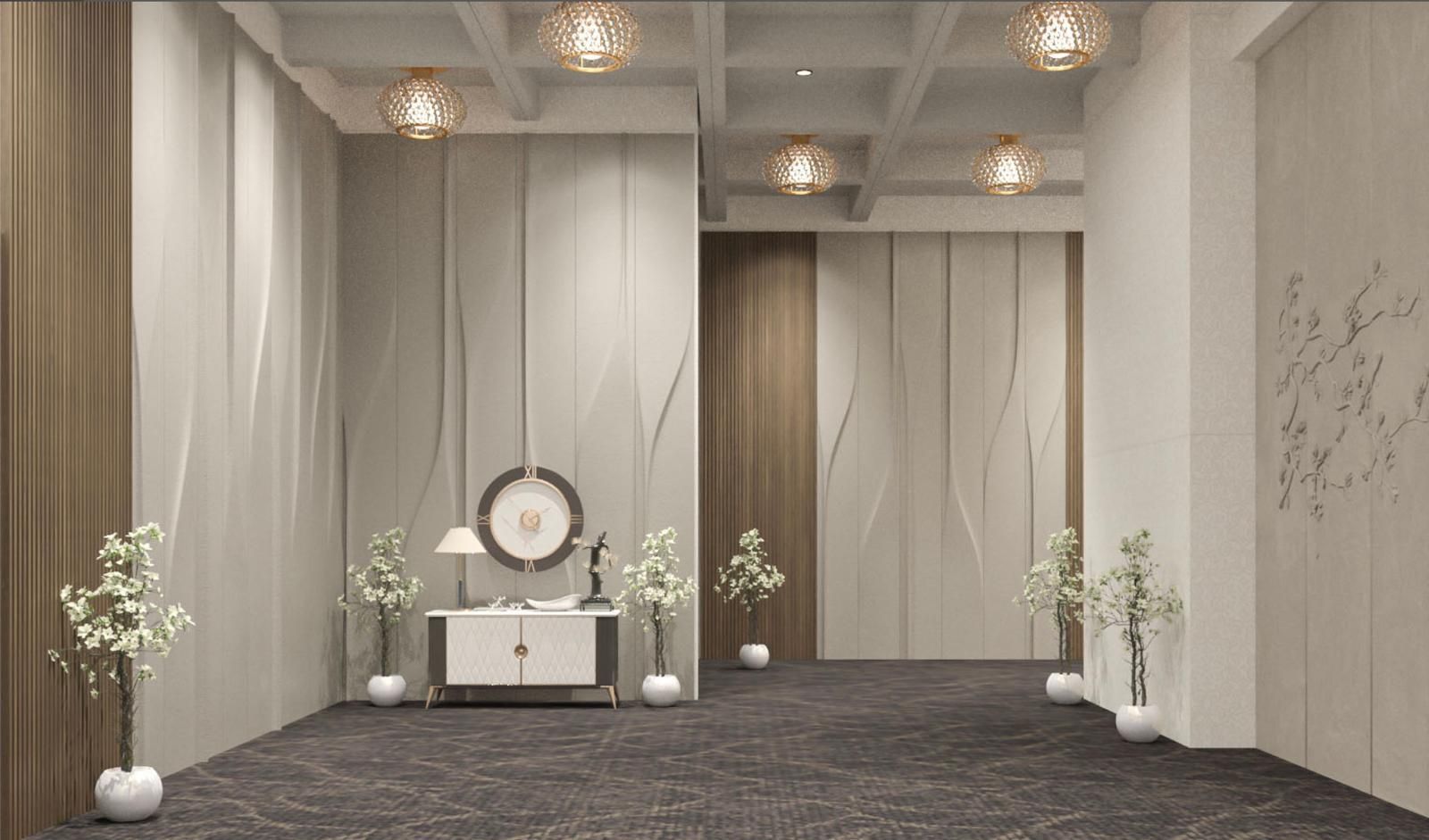
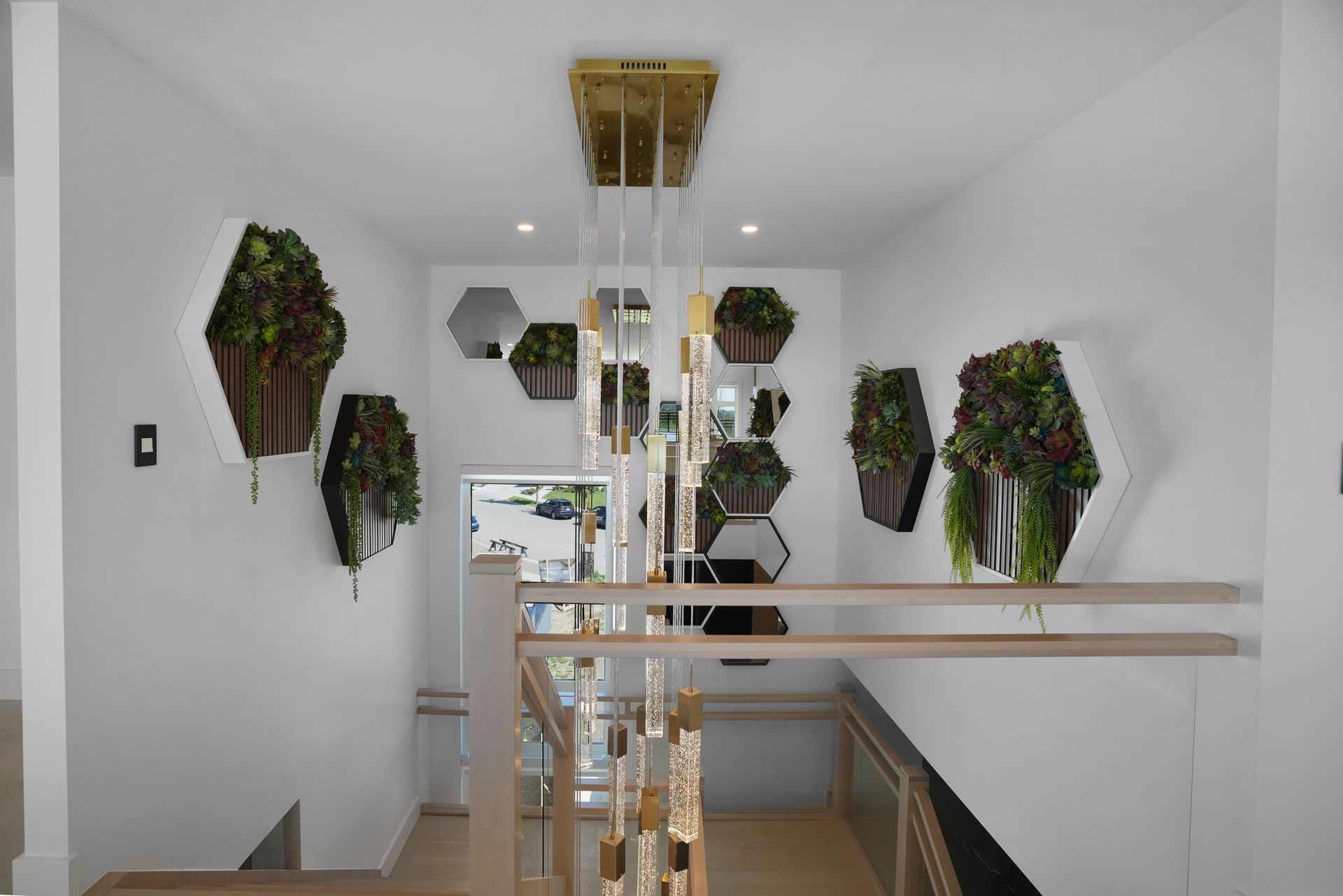
A chandelier that's too large—or one that disappears completely.
These are scale and proportion problems.
Before asking, “Do I love this piece?”, also ask:
“Does it belong in this room?”
That one question can change everything.
4. Treating Lighting Like a Final Step
You can spend thousands on furniture and finishes, but poor lighting can still make the room feel cold.
Instead of relying on one central fixture, layer your lighting.
Use ambient lighting for overall illumination, task lighting where you need it, and accent lighting to highlight artwork, textures, or architectural features.
This is especially important in Canadian homes, where natural light can change dramatically throughout the year.
The right lighting makes a room feel warmer, deeper, and more inviting.
5. Trying to Make Everything Match
Matching furniture sets can make a room feel predictable.
Great interiors usually have something more interesting going on.
Mix materials. Combine different textures. Pair contemporary pieces with something vintage or handcrafted. Introduce contrast through wood, stone, metal, fabric, or artwork.
The goal isn't for everything to match.
It's for everything to belong together.
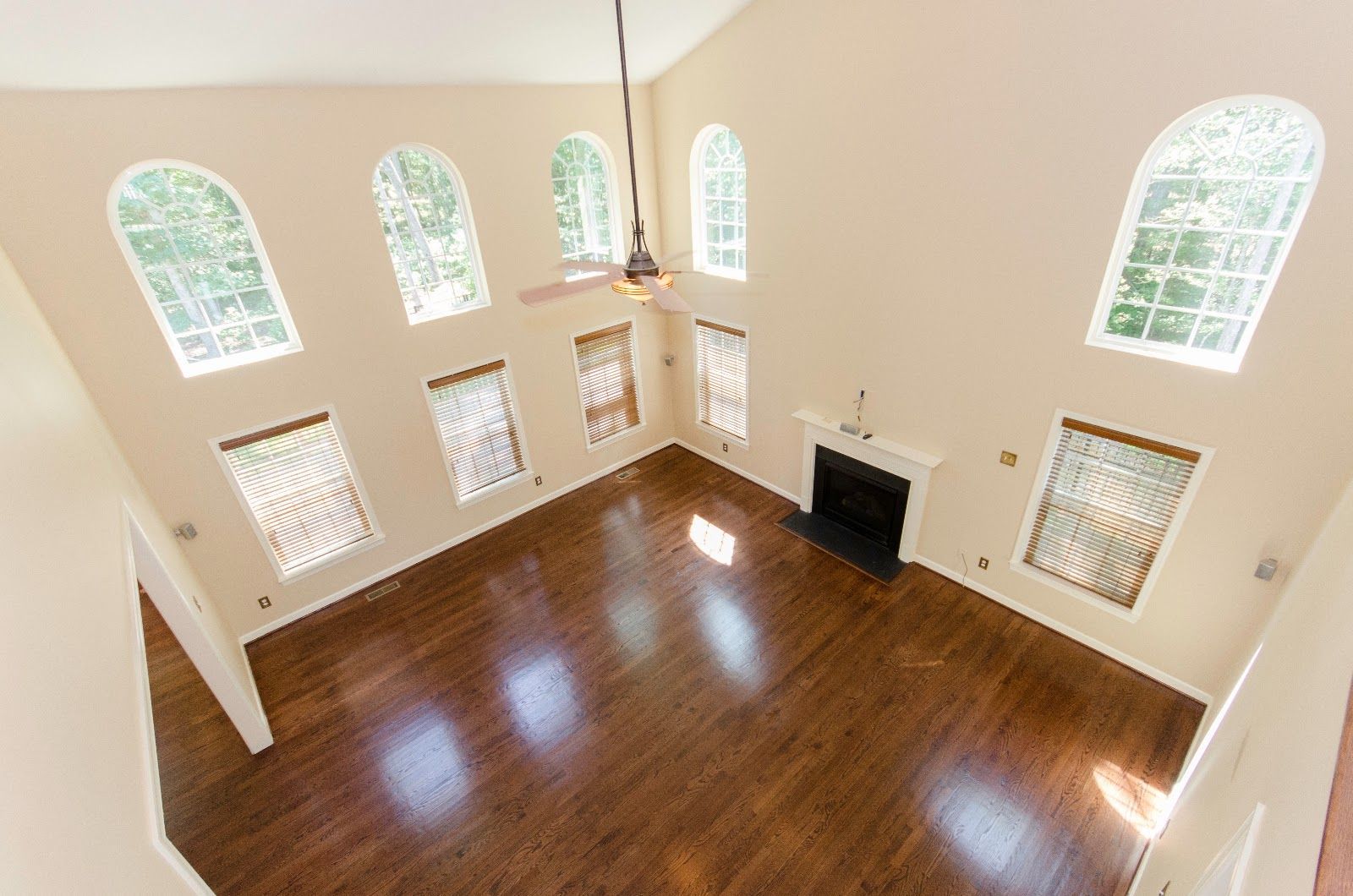
6. Decorating Every Empty Corner
An empty corner can make us uncomfortable.
So we fill it.
A chair here. A plant there. Another accessory on the console.
But empty space isn't wasted space.
In thoughtful home interior design, negative space allows important elements to stand out and gives the eye somewhere to rest.
Sometimes the most sophisticated choice is simply leaving something alone.
The Real Design Mistake? Designing Without a Bigger Picture
A beautiful interior isn't created one purchase at a time.
It comes from seeing the whole picture—from space planning and furniture placement to lighting, colour, materials, storage, and finishing details.
Avoiding common interior design mistakes doesn't mean following a strict set of rules.
It means understanding why something works before putting it into your home.
At FLAUNT Interiors, we approach every space with that bigger picture in mind—creating interiors that feel considered, functional, personal, and effortlessly beautiful.
Because the best-designed rooms don't scream for attention. They simply feel right.
Share This Blog