What is Feng Shui in Interior Design? Confused About Where to Start? Here’s Everything You Need to Know to Harmonize Your Space!
Have you ever walked into a room and felt instantly at ease—or maybe energized and inspired—without knowing why? That invisible feeling is often the result of Feng Shui in interior design. Far more than just arranging furniture, Feng Shui is an ancient Chinese practice that balances energy—or “Chi”—in your living and working spaces, creating harmony, comfort, and positivity.
If you’re confused about where to begin, don’t worry! This guide will break down Feng Shui in a simple, actionable way so you can start transforming your space today.
What is Feng Shui in Interior Design?
Feng Shui, which literally means “wind and water,” is all about how energy flows through your environment. The idea is simple: when energy moves freely, your home or office feels balanced, peaceful, and supportive of your goals.
In interior design, Feng Shui goes beyond aesthetics. It’s about making intentional choices—like the placement of furniture, colors, lighting, and decor—that invite well-being, abundance, and positivity into your life.
Why Feng Shui Matters in Your Home
Think of your home as a mirror of your inner world. A cluttered, poorly arranged space can create stress and restlessness, while a thoughtfully designed Feng Shui space can:
- Boost your mood and mental clarity
- Encourage restful sleep and relaxation
- Increase productivity and focus in workspaces
- Attract abundance, prosperity, and positive relationships
Even small tweaks—like opening curtains to let in natural light, adding a plant, or shifting a chair—can dramatically improve how a space feels.
Core Feng Shui Principles for Interior Design
Here are some practical ways to apply Feng Shui in your home:
1. Declutter and Organize
Clutter blocks Chi, creating stagnant energy. Keep spaces clean, organized, and open to let positive energy flow freely.
2. Furniture Placement
- Place beds and desks so you can see the door—this is called the “command position,” making you feel secure and in control.
- Avoid sharp corners or furniture directly in line with doors.
3. Colors That Influence Energy
- Green and blue – calm, restorative vibes
- Red and orange – energizing and creative sparks
- Earth tones – grounding and stabilizing
4. Balance the Five Elements
Feng Shui uses wood, fire, earth, metal, and water to create harmony. A simple way to balance them: plants for wood, candles for fire, crystals for earth, metallic decor for metal, and a small fountain or bowl of water for water energy.
5. Let Light and Air Flow
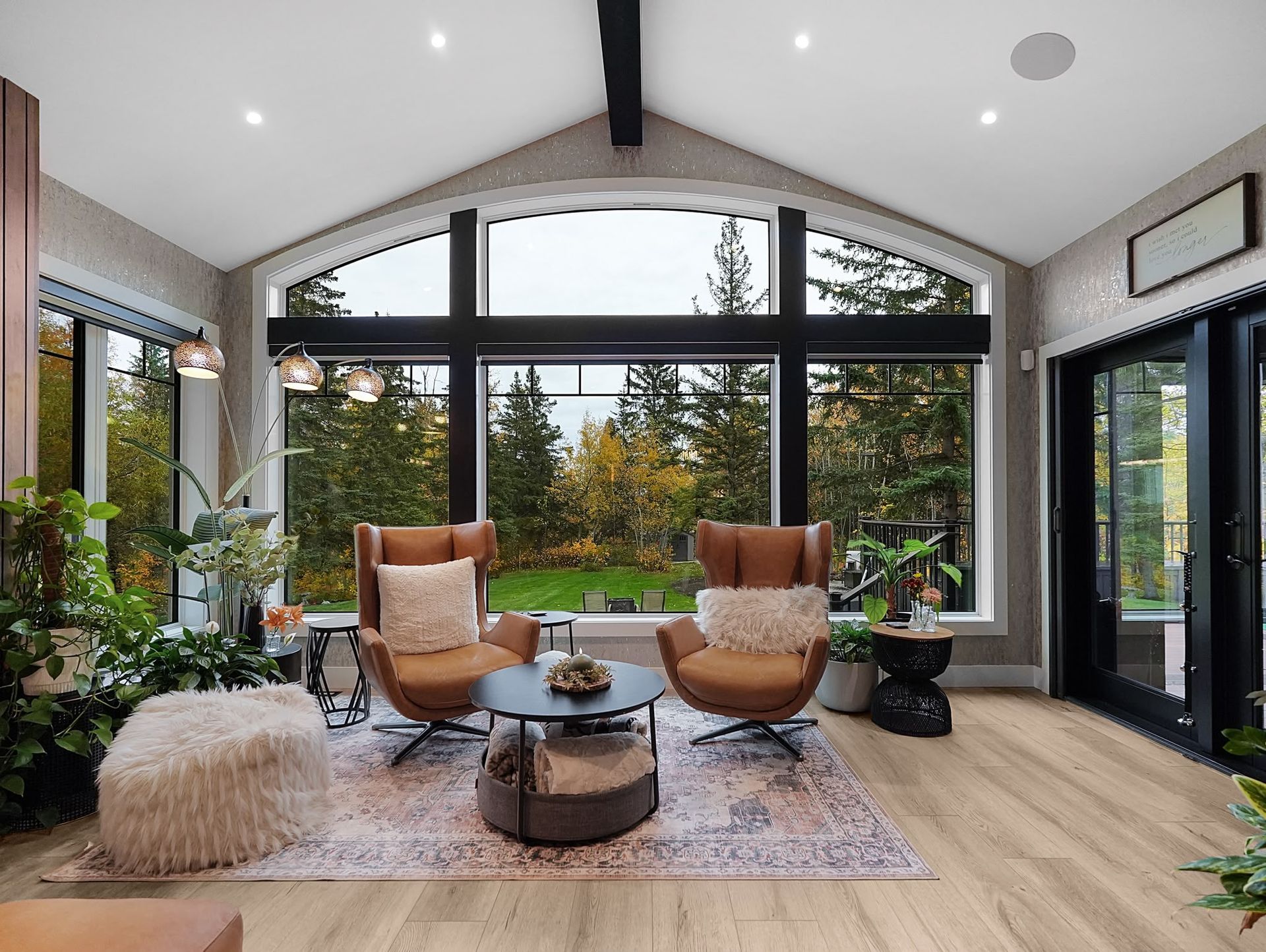
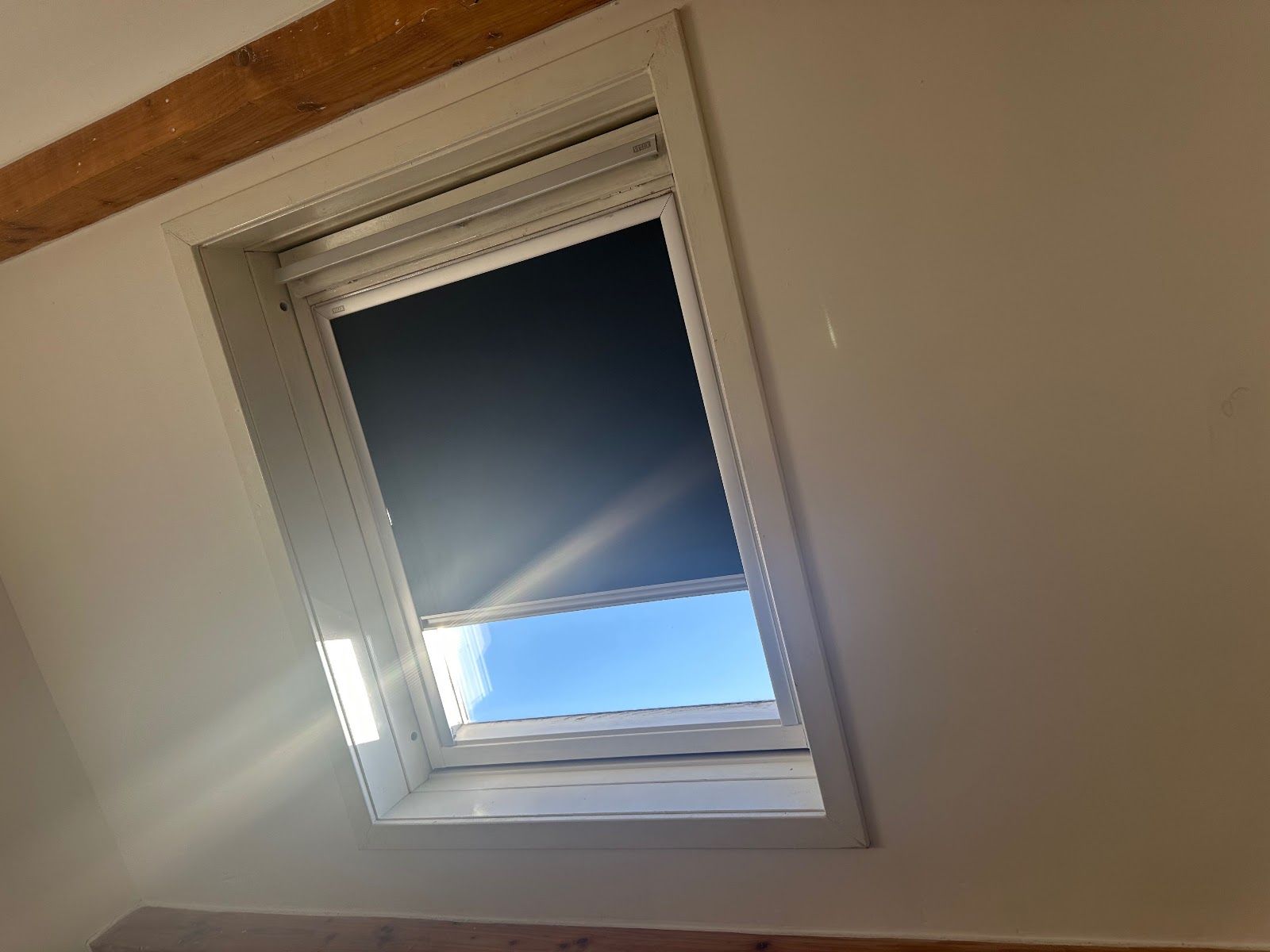
Natural light and proper ventilation not only refresh your space but also uplift your mood. Make sure windows are clear and airflow isn’t blocked.
6. Use Mirrors Wisely
Mirrors expand space and reflect energy—but placement is key. Avoid facing mirrors directly toward beds or doors.
Feng Shui Tips for Every Room
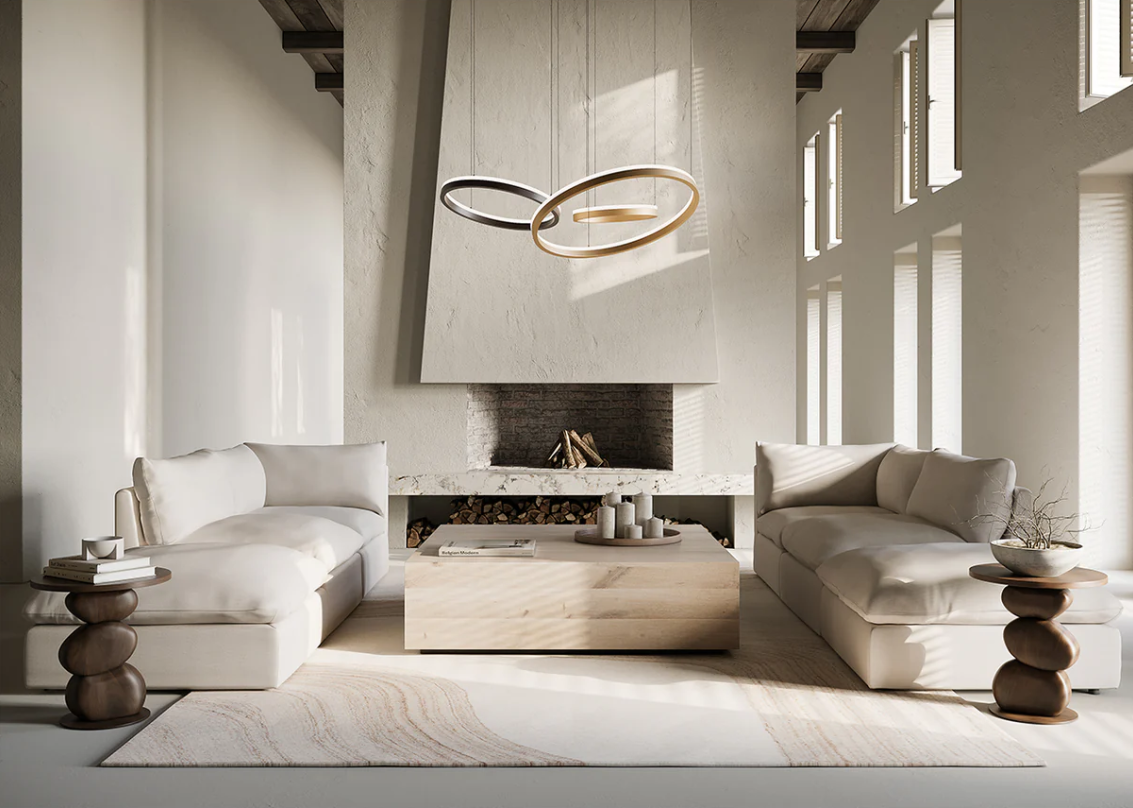
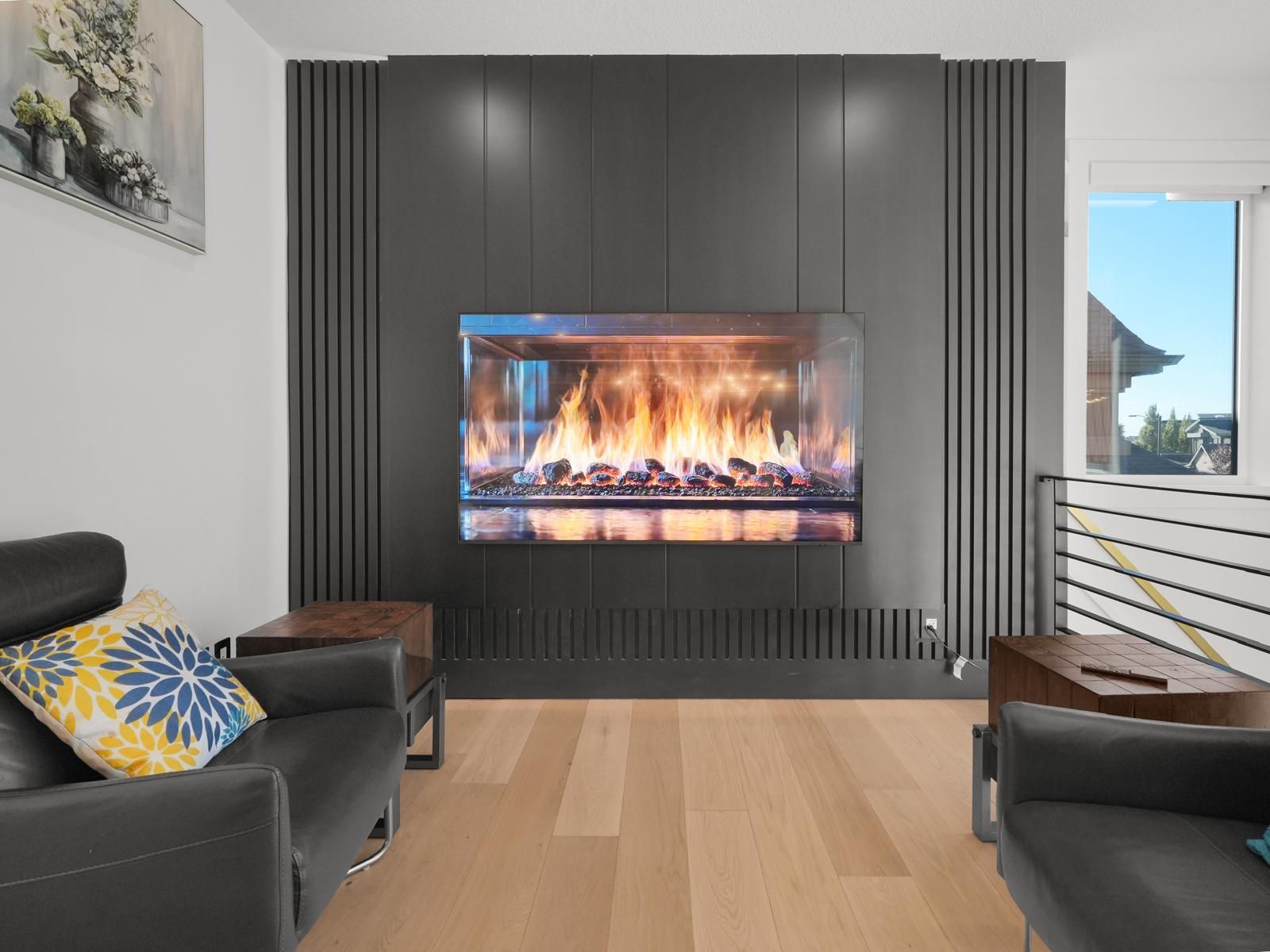
- Living Room: Encourage social energy with open spaces, comfortable seating, and warm lighting.
- Bedroom: Calm colors, minimal clutter, and the right bed position for restful sleep.
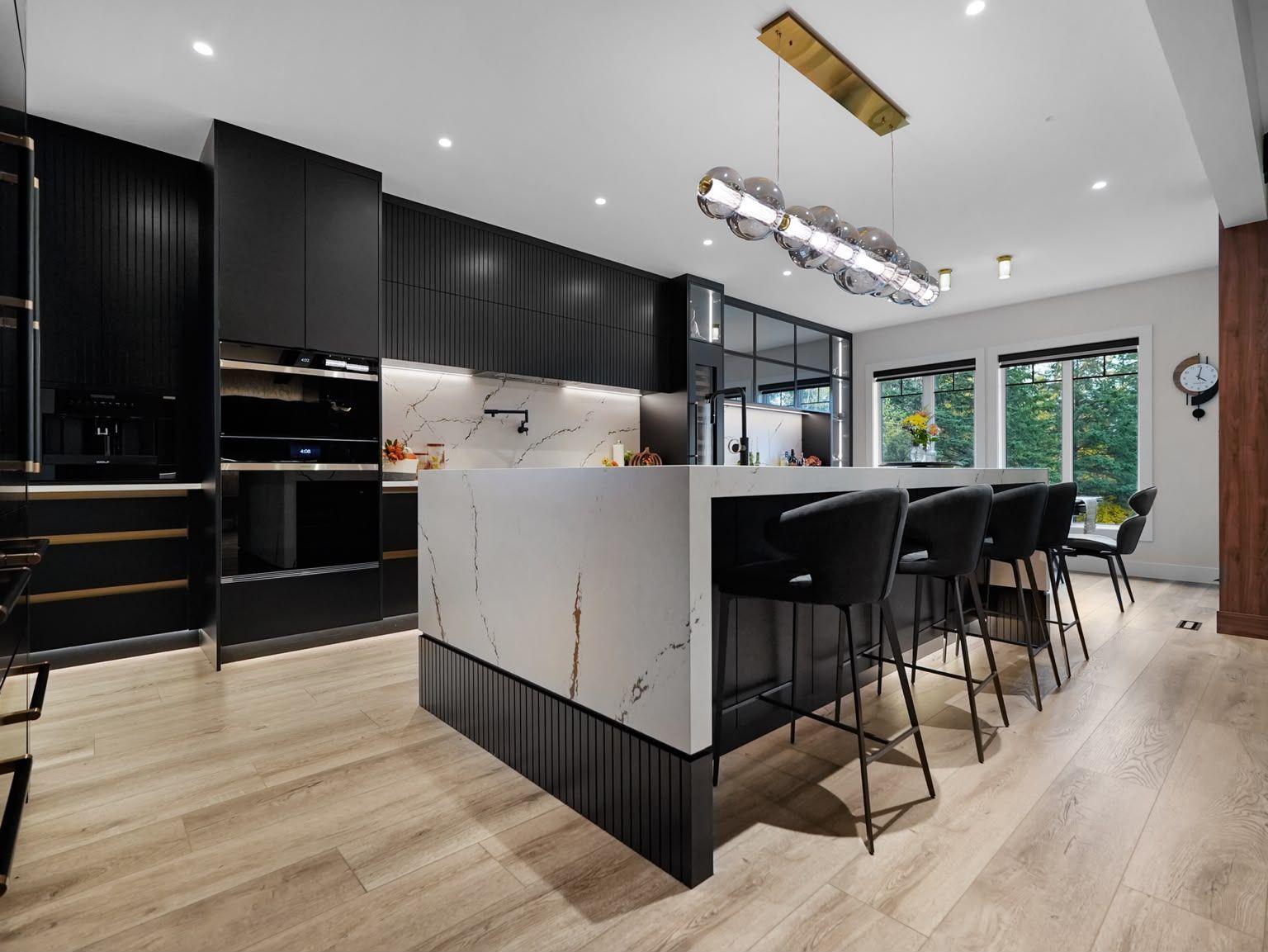
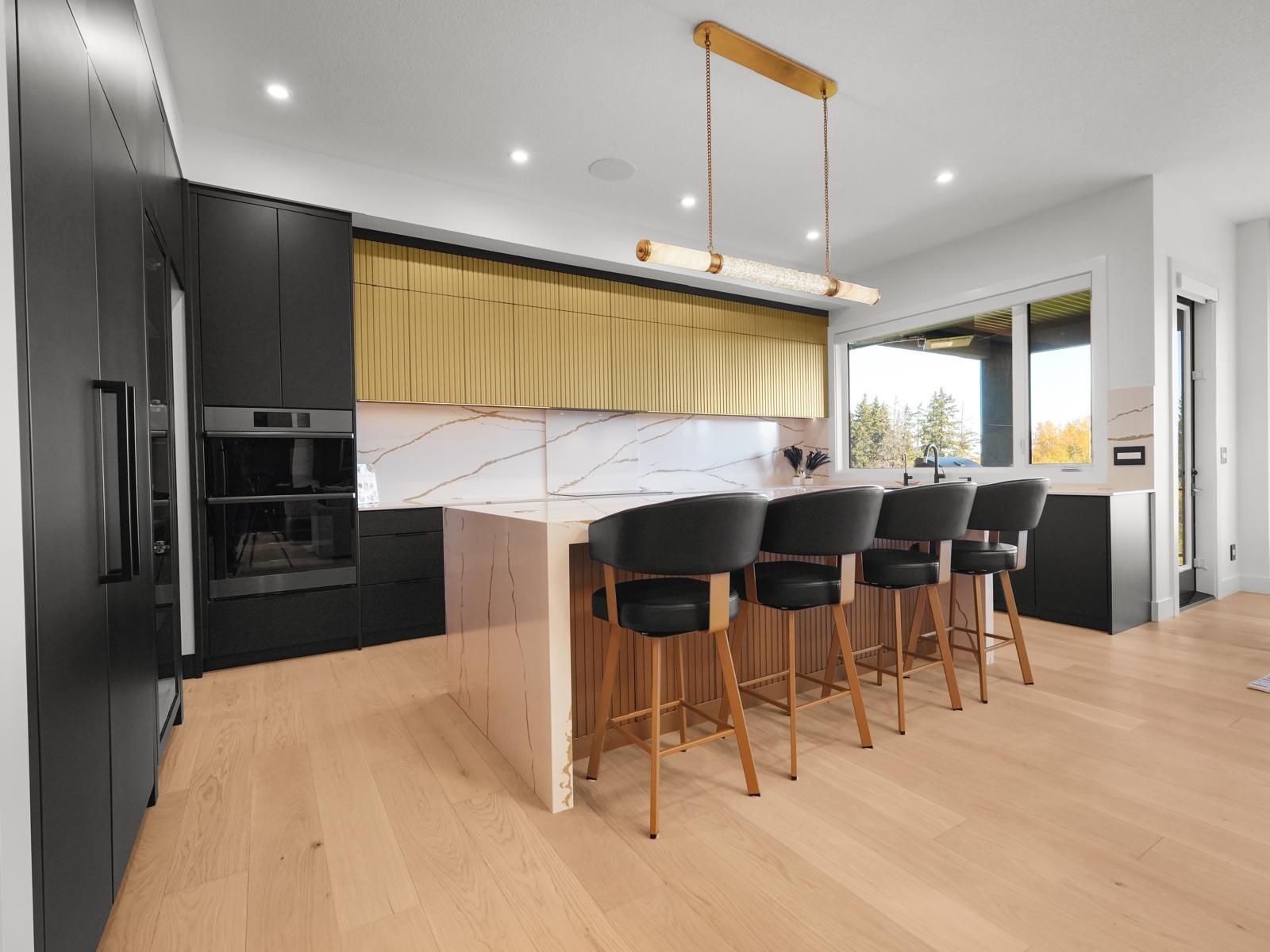
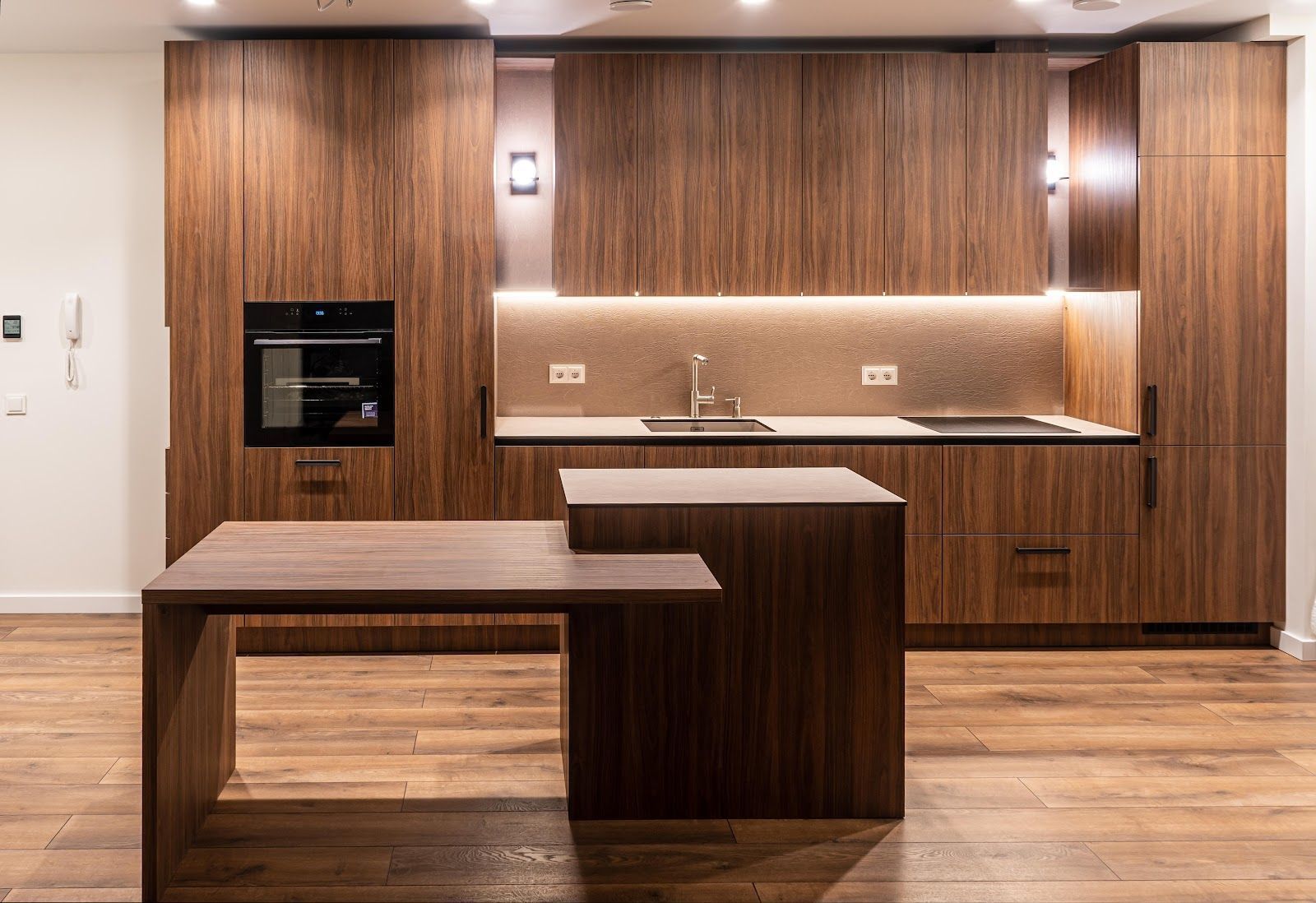
- Kitchen: Clean, bright, and functional—symbolizing abundance.
- Home Office: Desk in command position, natural light, and organized storage boost focus and creativity.
The Benefits of Feng Shui Interior Design
Integrating Feng Shui isn’t just about aesthetics—it’s about creating a home that actively supports your life. Some benefits include:
- Reduced stress and better mental health
- Increased energy and motivation
- Attracting positive relationships and social harmony
- Encouraging financial prosperity
Even tiny changes, like adding a plant or repositioning furniture, can make a big difference.
Conclusion
Feng Shui in interior design is more than just decoration—it’s a mindful approach to living. By understanding the flow of energy in your spaces and applying simple principles, you can turn any home or office into a sanctuary of harmony, balance, and positivity.
Start small, observe the difference, and gradually transform your space into one that feels not only beautiful but also truly alive.
Share This Blog