Color Psychology in Interior Design: Why Designers Obsess Over Paint More Than Furniture
When most homeowners start designing a space, they usually think about furniture first.
The sofa.
The dining table.
The lighting.
Maybe even that statement chair they've been saving on Pinterest.
But ask any interior designer, and they'll tell you a different story.
Before the furniture arrives, before the artwork goes up, and before the accessories find their place, there's one design decision that quietly influences everything else: color.
At Flaunt Interiors, we've seen how the right color palette can completely transform the way a space looks, feels, and functions. In fact, color psychology in interior design is one of the most powerful tools designers use to shape the experience of a home.
Because color doesn't just decorate a room—it defines it.
The Same Room Can Feel Completely Different
Imagine walking into two identical living rooms.
Same size.
Same furniture.
Same layout.
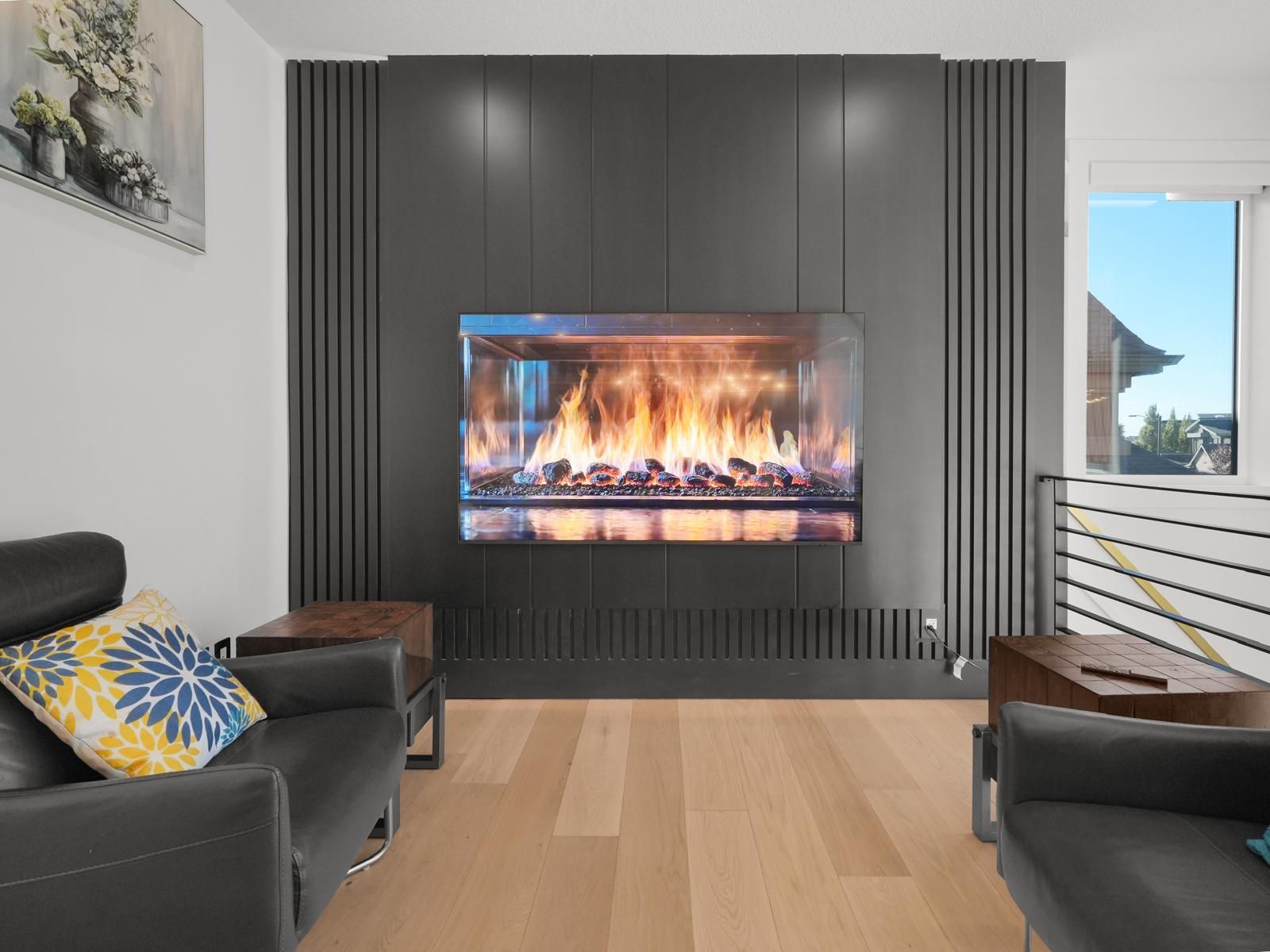
Now paint one room a soft warm beige and the other a deep charcoal.
Suddenly, they feel like entirely different spaces.
One feels open and inviting.
The other feels dramatic and sophisticated.
Nothing changed except the color.
That's the power of color psychology.
Color Influences How Large a Room Feels
One of the oldest design tricks isn't hidden storage or clever furniture placement.
It's color.
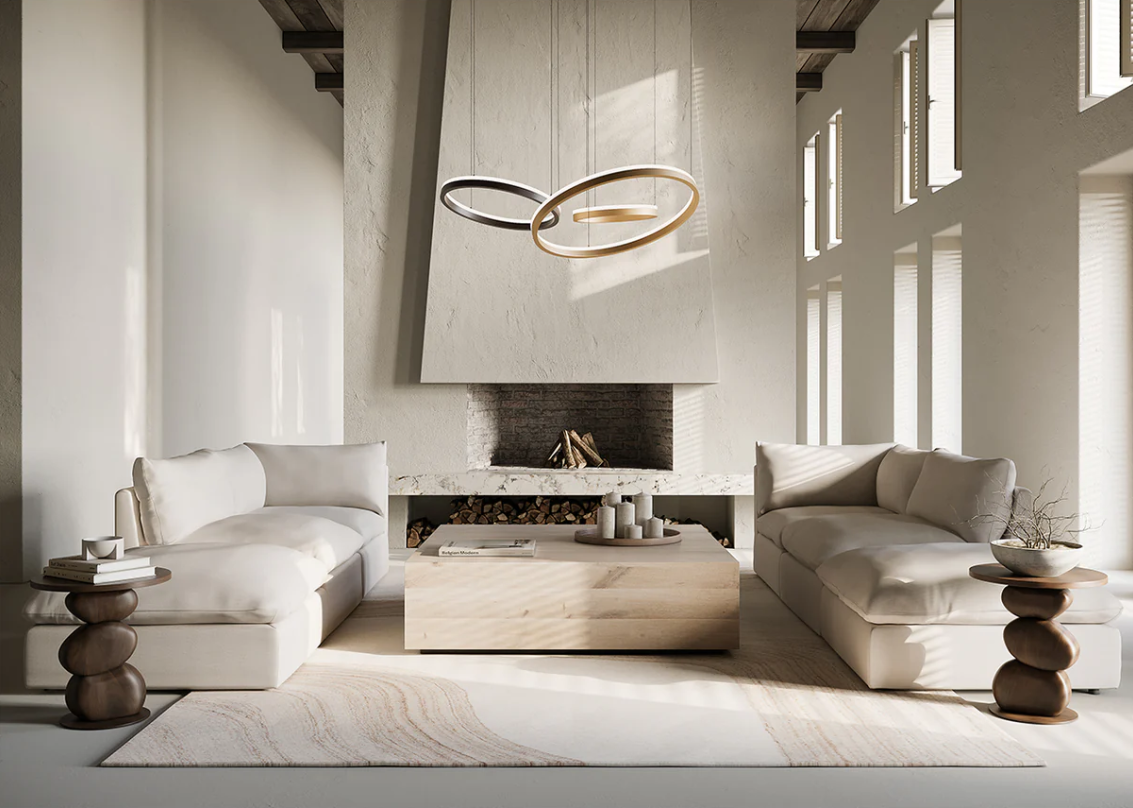
Lighter shades reflect more light, helping smaller rooms feel larger and more open.
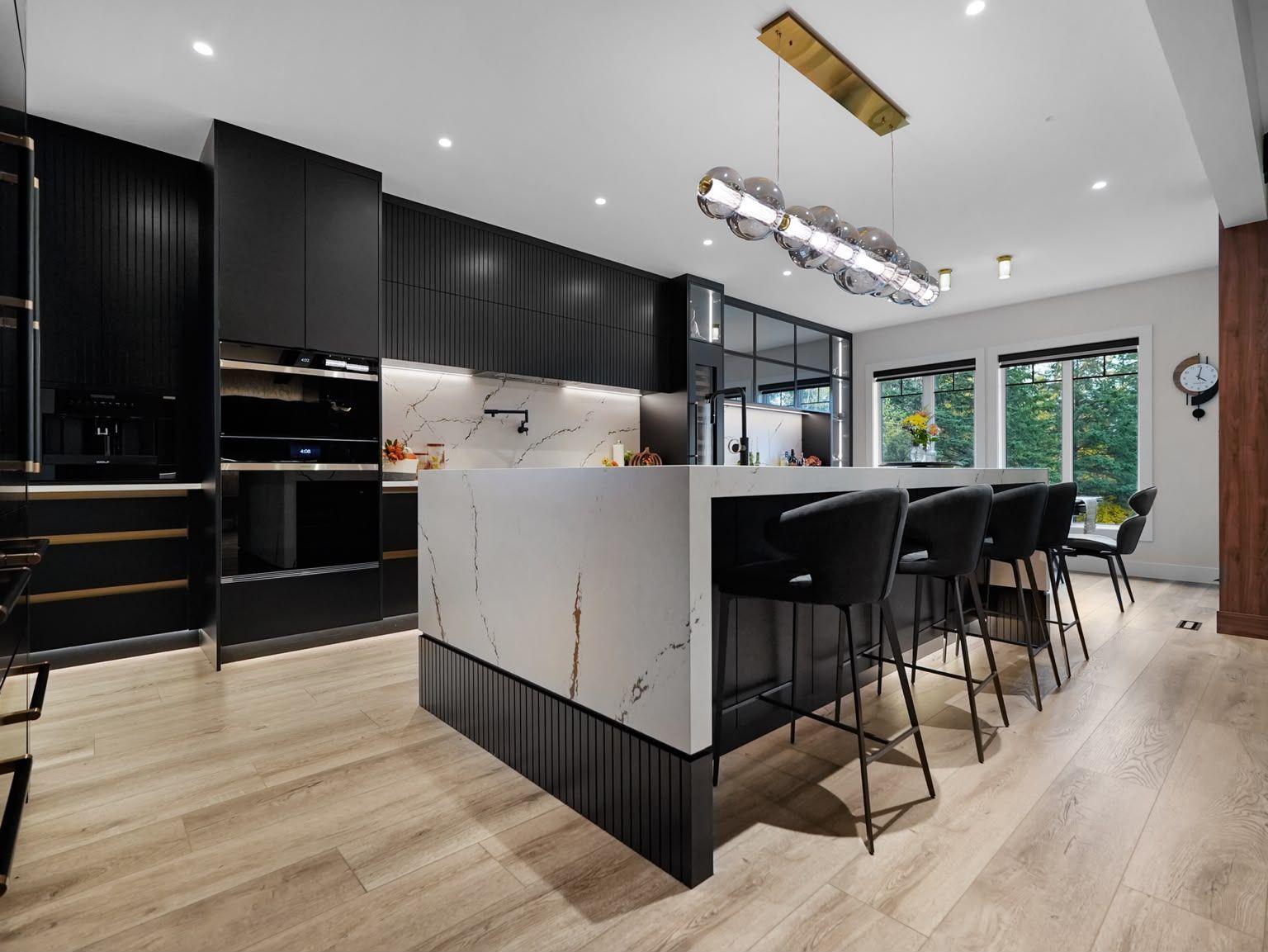
Darker shades absorb light, creating a more intimate and luxurious atmosphere.
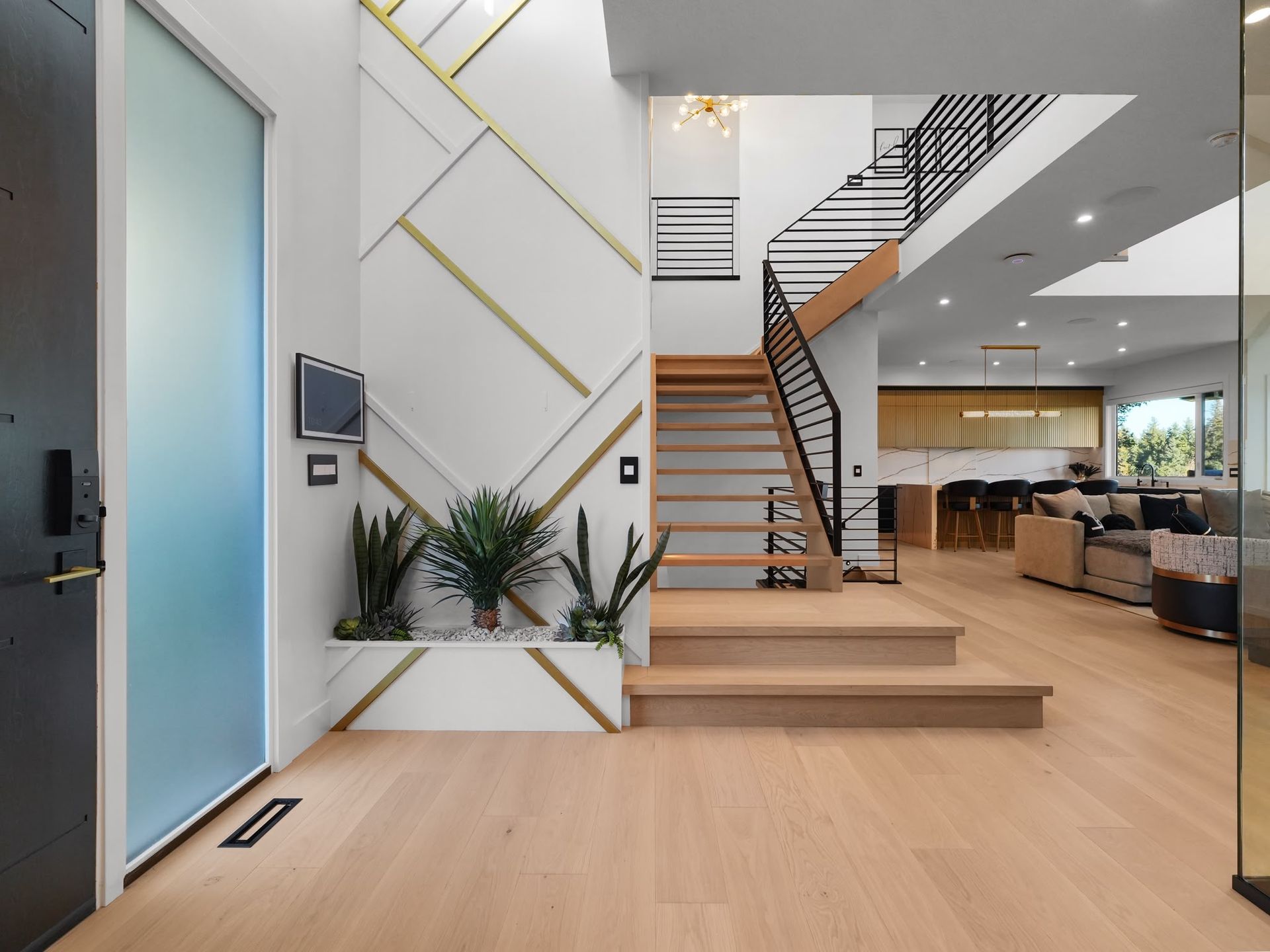
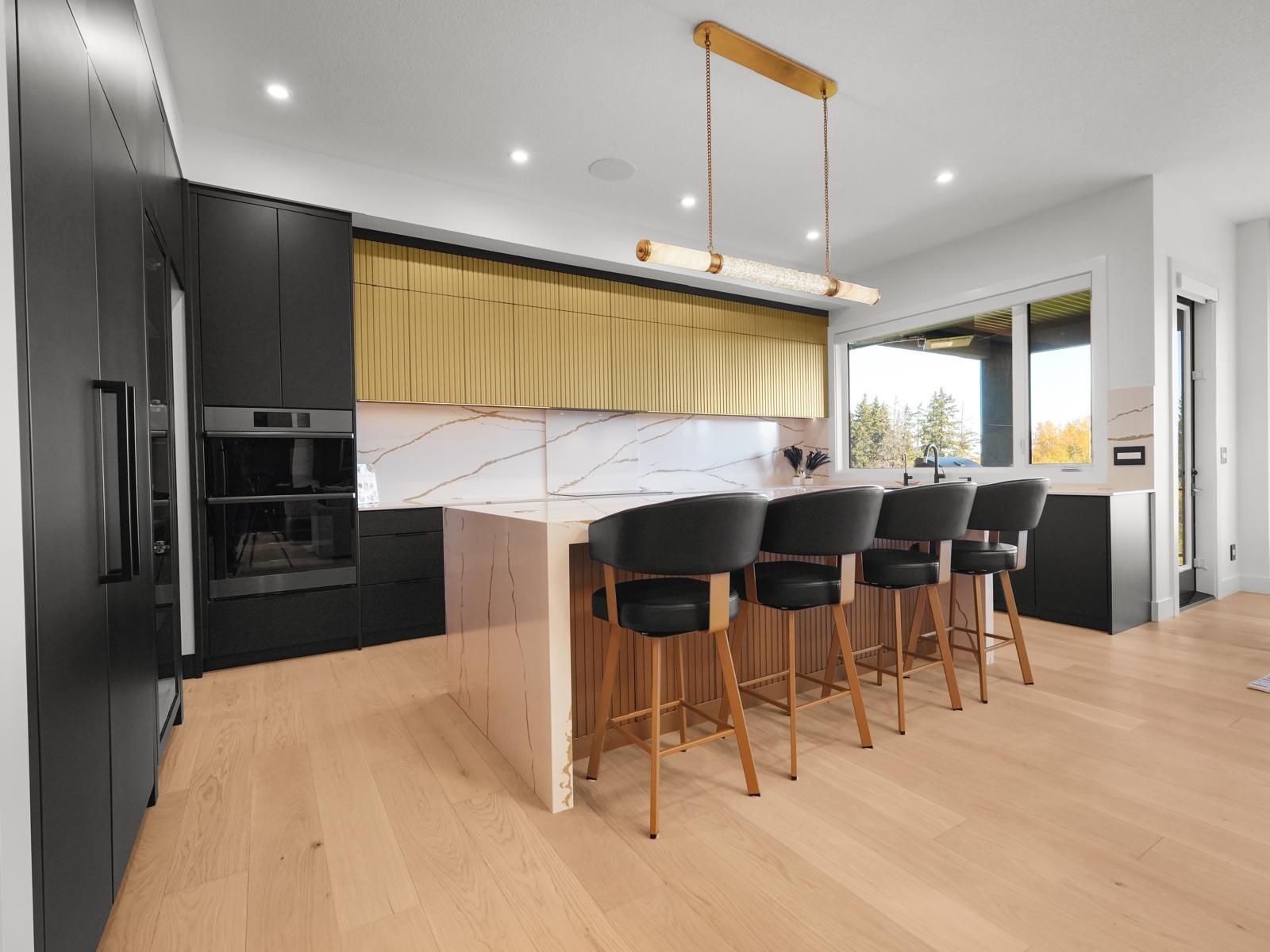
This is why many modern Edmonton homes use warm neutrals throughout open-concept spaces. They help maximize natural light while maintaining a clean and timeless aesthetic.
The room hasn't physically changed—but your perception of it has.
Why Luxury Homes Rarely Use Random Colors
Have you ever noticed that high-end homes, boutique hotels, and luxury spaces often feel effortlessly cohesive?
That's because their color palettes are intentional.
Professional designers don't choose colors individually.
They build color stories.
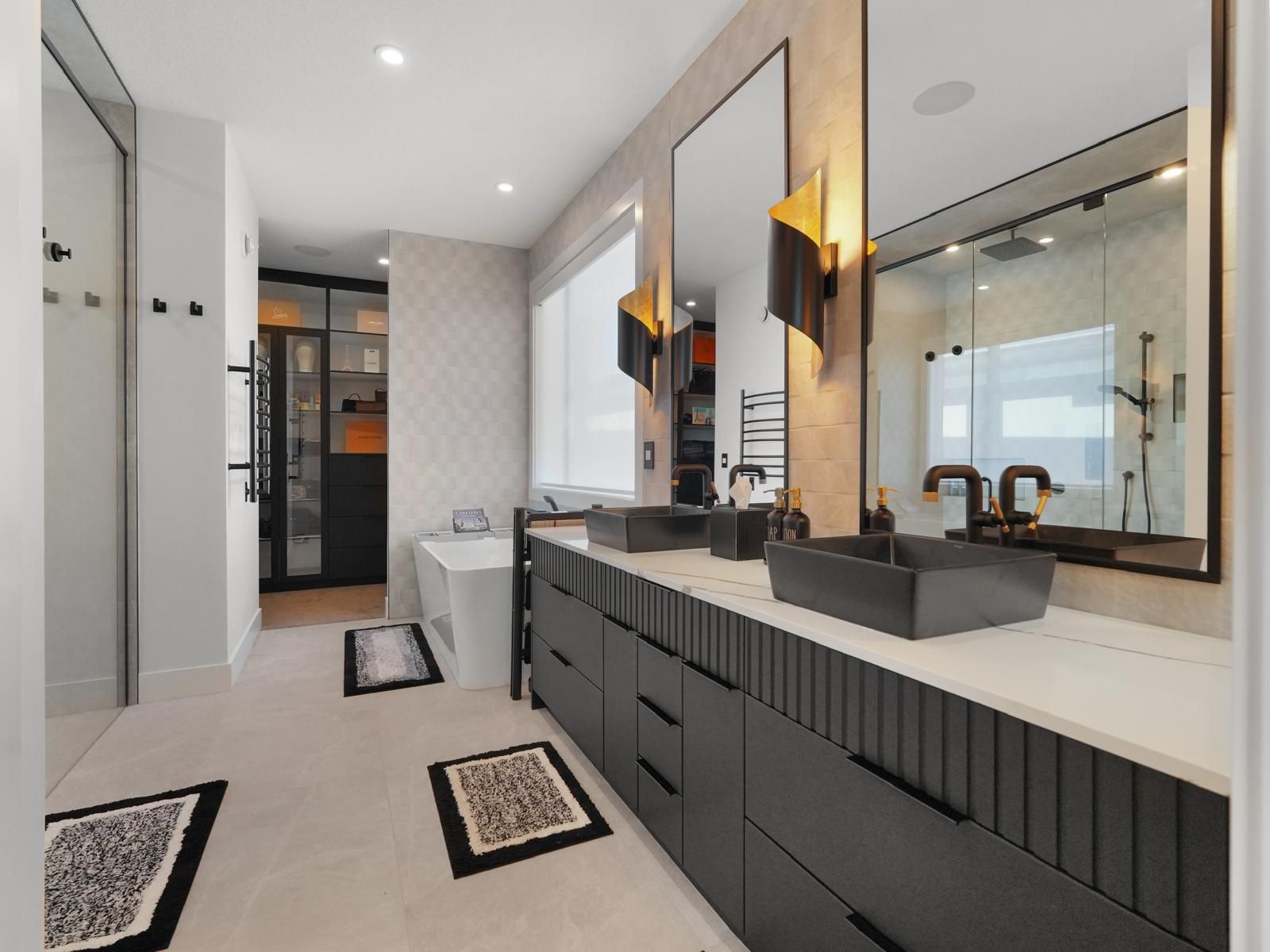
Every wall color, fabric, finish, and texture works together to create consistency throughout the space.
The result feels polished, expensive, and thoughtfully designed.
Luxury isn't always about spending more.
Often, it's about choosing colors that work together beautifully.
Color Can Influence Productivity and Focus
This is one reason color psychology has become increasingly important in home offices.
As more homeowners work remotely, interior design is no longer just about aesthetics.
It's about performance.
The right color palette can help create environments that feel:
- Focused
- Organized
- Balanced
- Professional
That's why many modern home offices have moved away from stark white walls and toward warmer, more sophisticated tones that feel comfortable during long workdays.
The Biggest Color Mistake Homeowners Make
Following trends without considering the space.
A paint color might look incredible in a showroom, on Instagram, or in a magazine.
But lighting, architecture, ceiling height, flooring, and room orientation all affect how color appears in your home.
A trendy shade isn't automatically the right shade.
The most successful interiors are the ones where color complements the architecture instead of competing with it.
Why Color Psychology Is One of the Most Important Design Tools
Good design isn't just about filling a room with beautiful things.
It's about creating balance.
Color helps define:
- Visual flow
- Space perception
- Design harmony
- Architectural features
- Overall atmosphere
In many cases, the right color choice can have a greater impact than replacing furniture or investing in expensive décor.
That's why designers often spend more time choosing paint colors than homeowners expect.
Final Thoughts
Color psychology in interior design goes far beyond personal preference.
It's a design tool that influences how we experience a space, perceive its size, appreciate its details, and connect with its overall style.
The most beautiful interiors aren't successful because they use trendy colors. They're successful because every color serves a purpose.
At Flaunt Interiors, we believe great design begins long before the furniture arrives. It starts with creating a color palette that enhances the architecture, complements the lifestyle of the homeowner, and brings the entire space together.
Because sometimes, the most important design decision is the one that covers the walls.
Share This Blog