Hidden Mistakes Ruining Your Home Aesthetic (And How to Fix Them)
You know that feeling when your home looks “fine”… but not quite right?
Everything is in place, the furniture is good, the colors aren’t bad—yet the space doesn’t give you that satisfying, put-together look.
That’s usually not a big design failure. It’s a collection of small, overlooked mistakes quietly affecting your home aesthetic.
The interesting part? Most of these mistakes are so subtle that you don’t even notice them—until someone with a design eye points them out.
Let’s walk through the ones that matter most, and how you can fix them in a way that actually elevates your space.
Why These Small Mistakes Have a Big Impact
Interior design isn’t just about what you see—it’s about how everything works together.
A room feels “off” when:
- The proportions don’t align
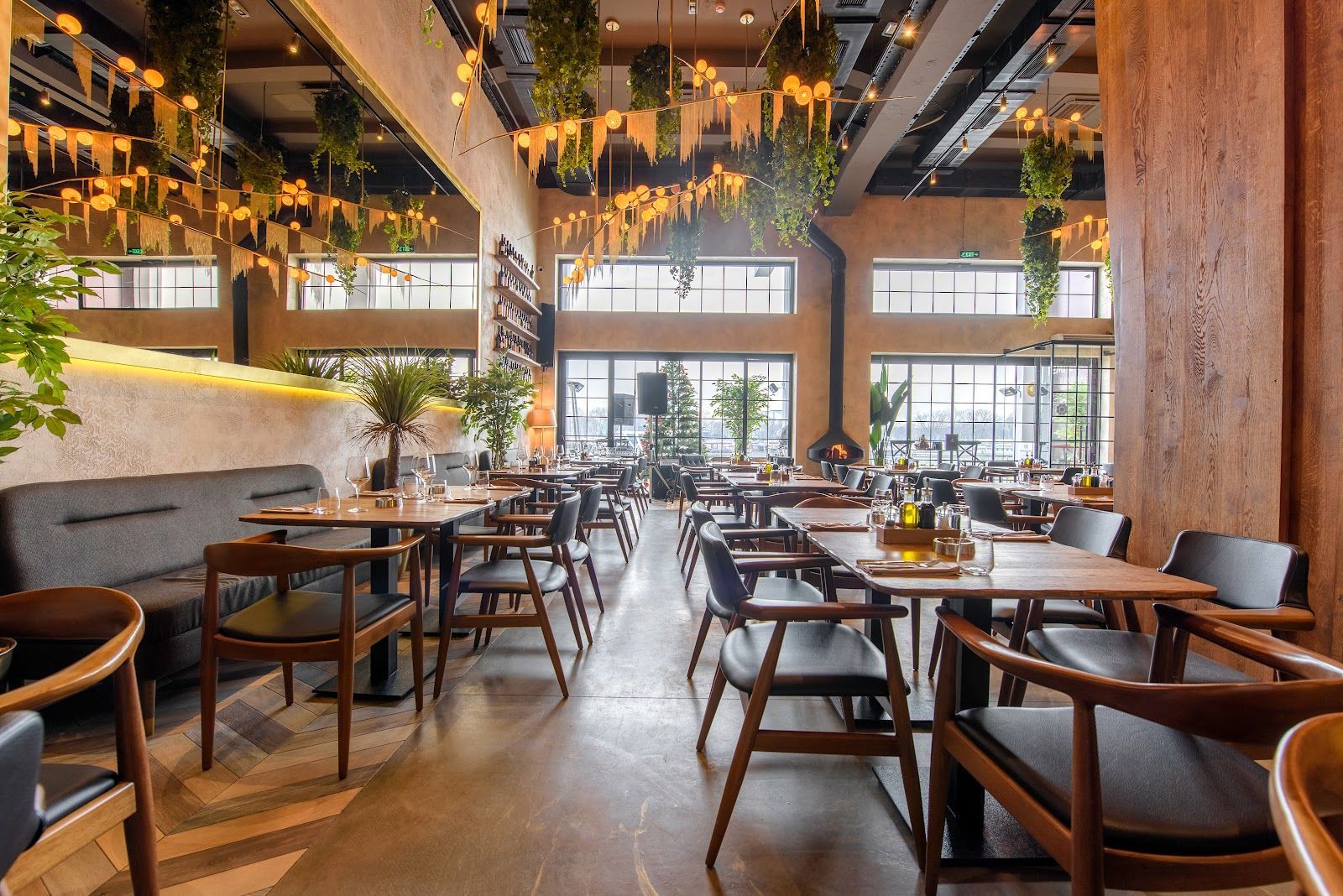
- The lighting doesn’t support the mood
- The elements don’t connect visually
Good design is less about adding more, and more about editing with intention.
The Hidden Mistakes That Are Holding Your Space Back
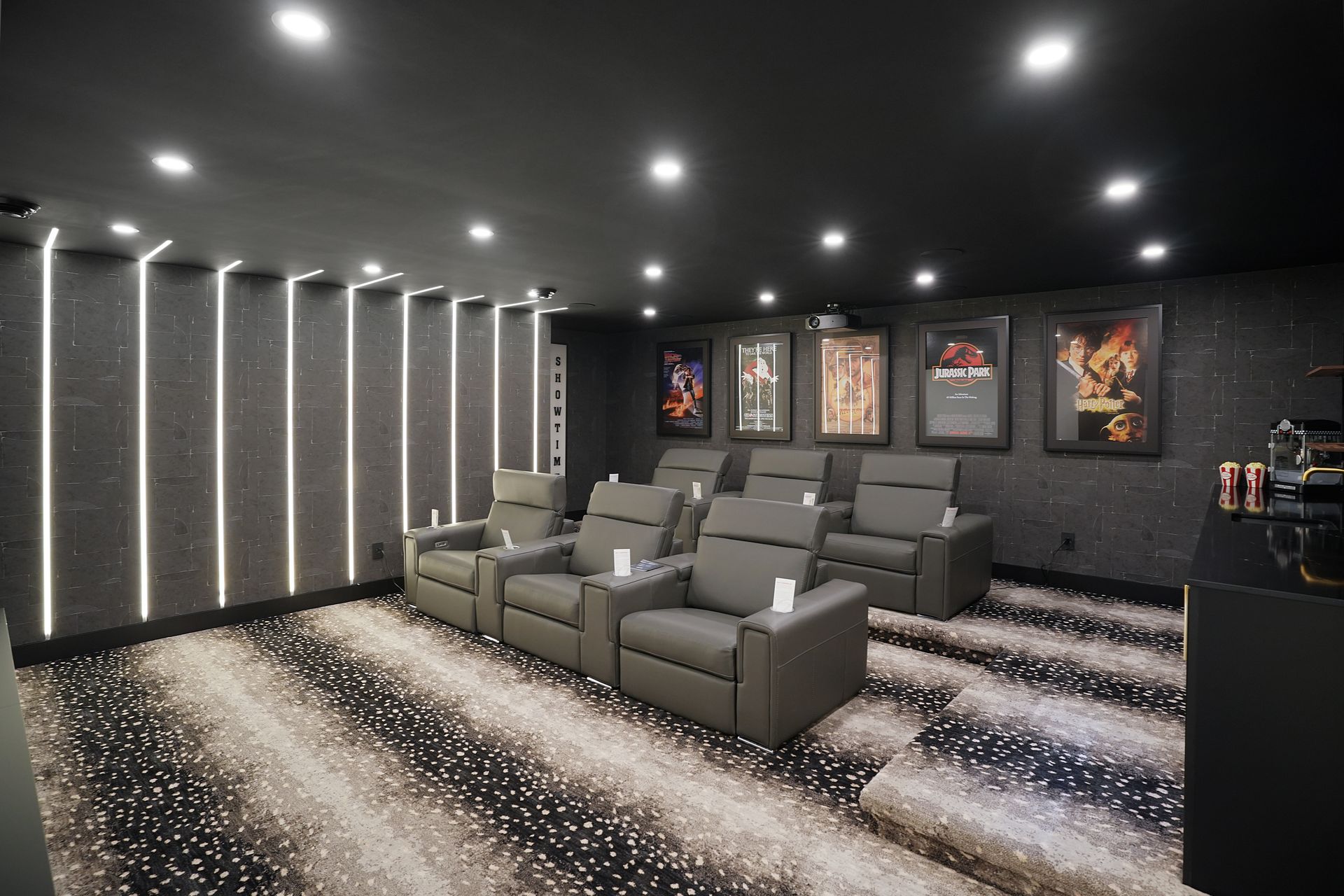
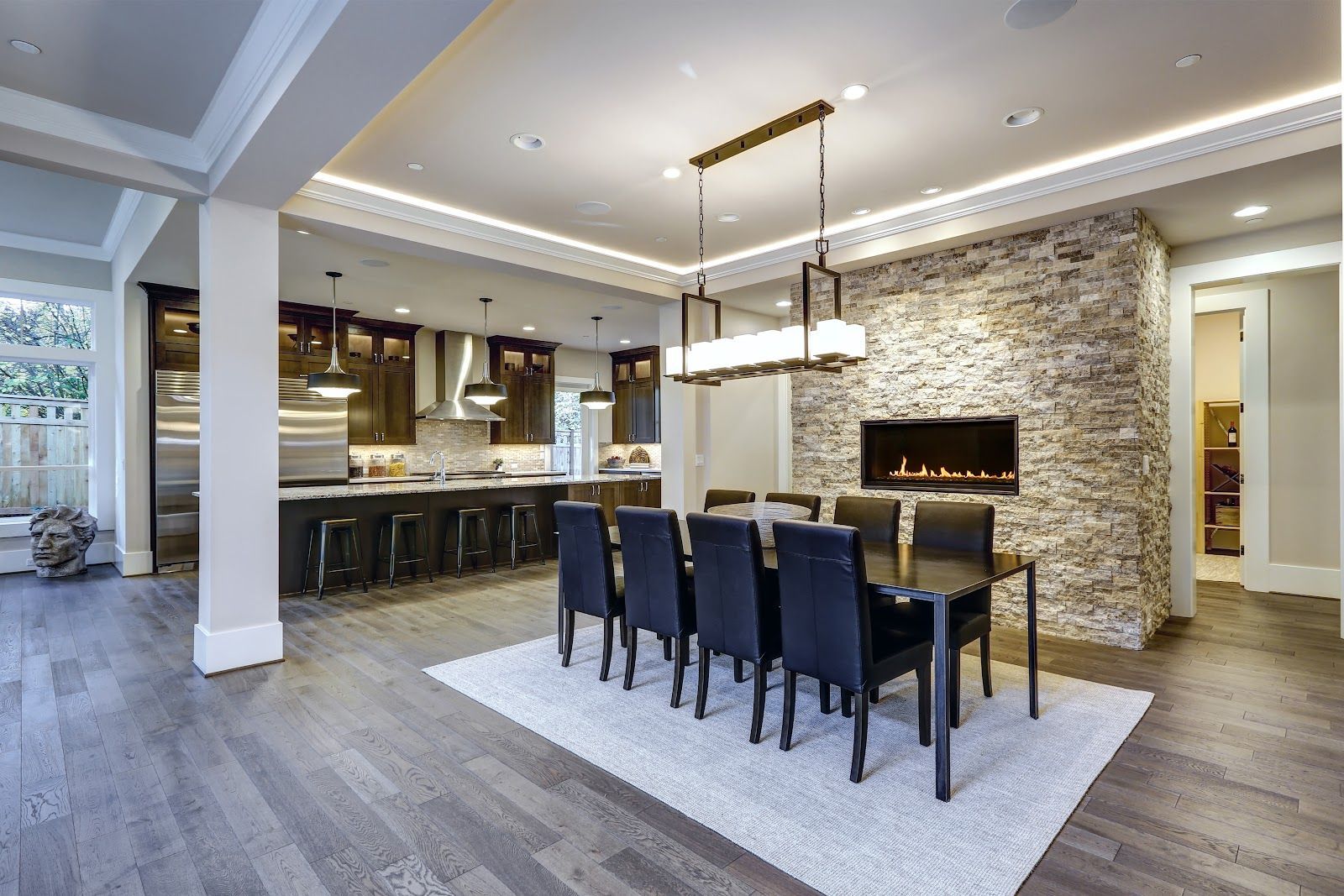
1. Treating Lighting as an Afterthought
Lighting is often the last thing people think about—and it shows.
One overhead light in the center of the room creates flat, unflattering illumination. It removes depth and makes even well-designed spaces feel basic.
What works better:
Layer your lighting. Use a combination of ceiling lights, lamps, and subtle accent lighting. This creates dimension and allows the room to shift depending on the time of day.
2. Getting the Scale Slightly Wrong
This is one of the most common but least noticed mistakes.
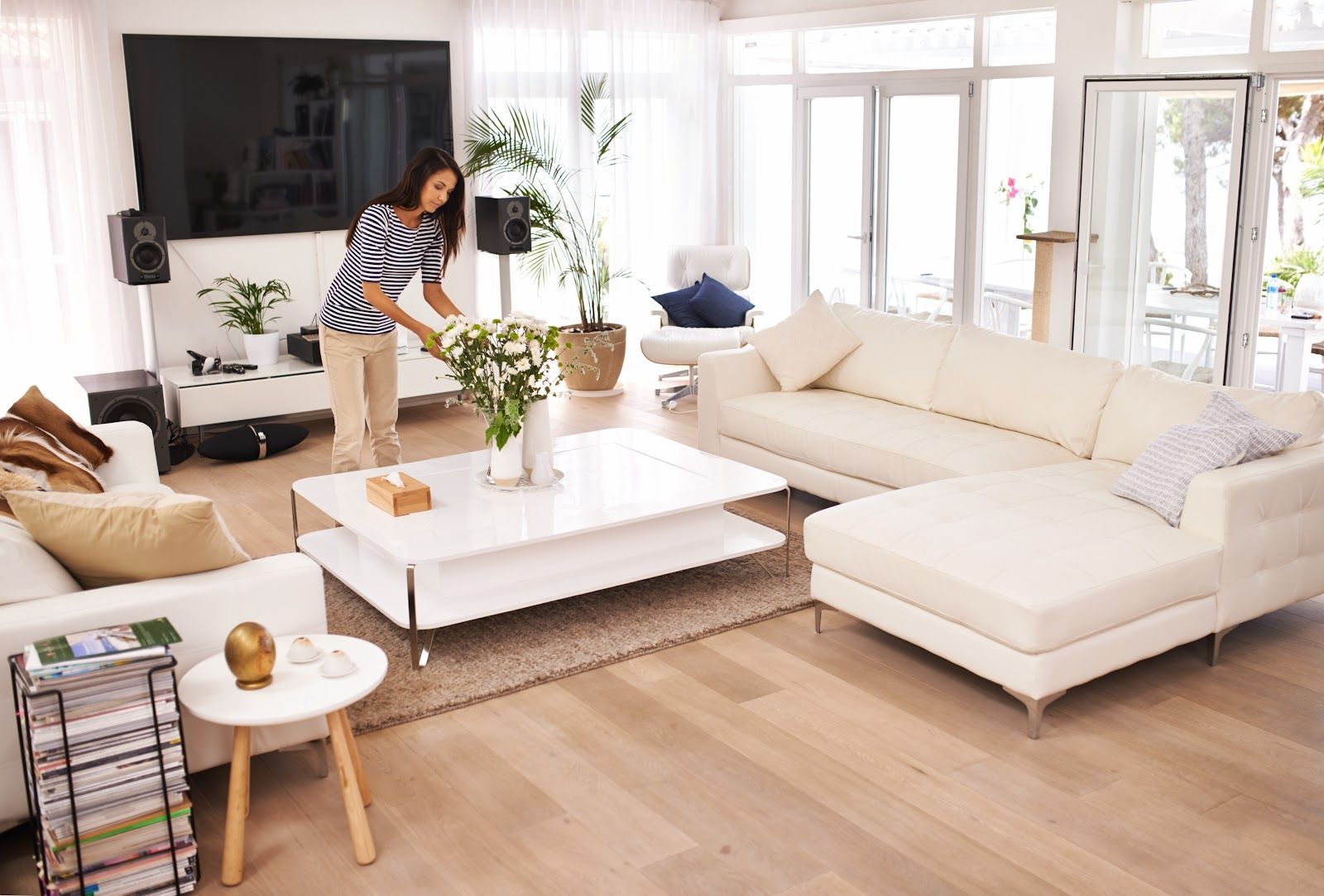
A rug that’s too small, a coffee table that’s too bulky, or artwork that’s undersized—these small mismatches disrupt the visual balance.
What works better:
Think in proportions, not just pieces. Your furniture and décor should relate to each other in size. When scale is right, everything feels naturally cohesive.
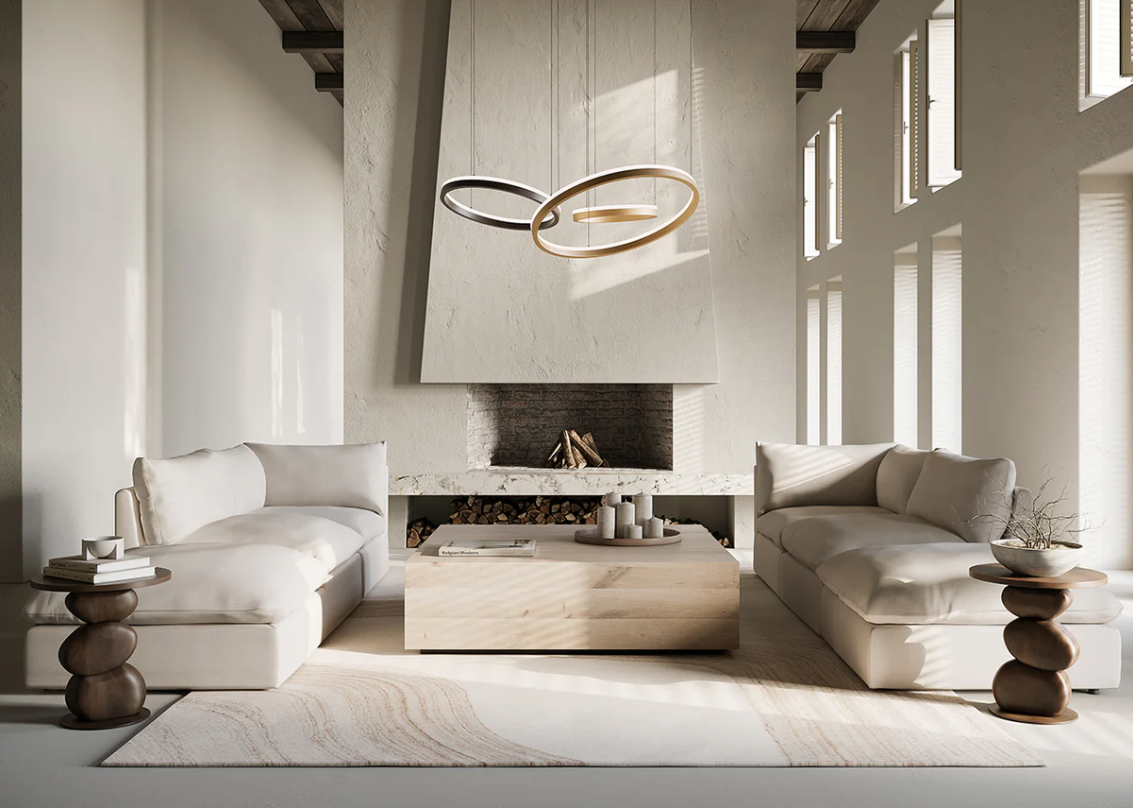
3. Decorating Without Negative Space
Many people feel the need to “fill” every corner—more décor, more furniture, more elements.
But space itself is a design tool.
What works better:
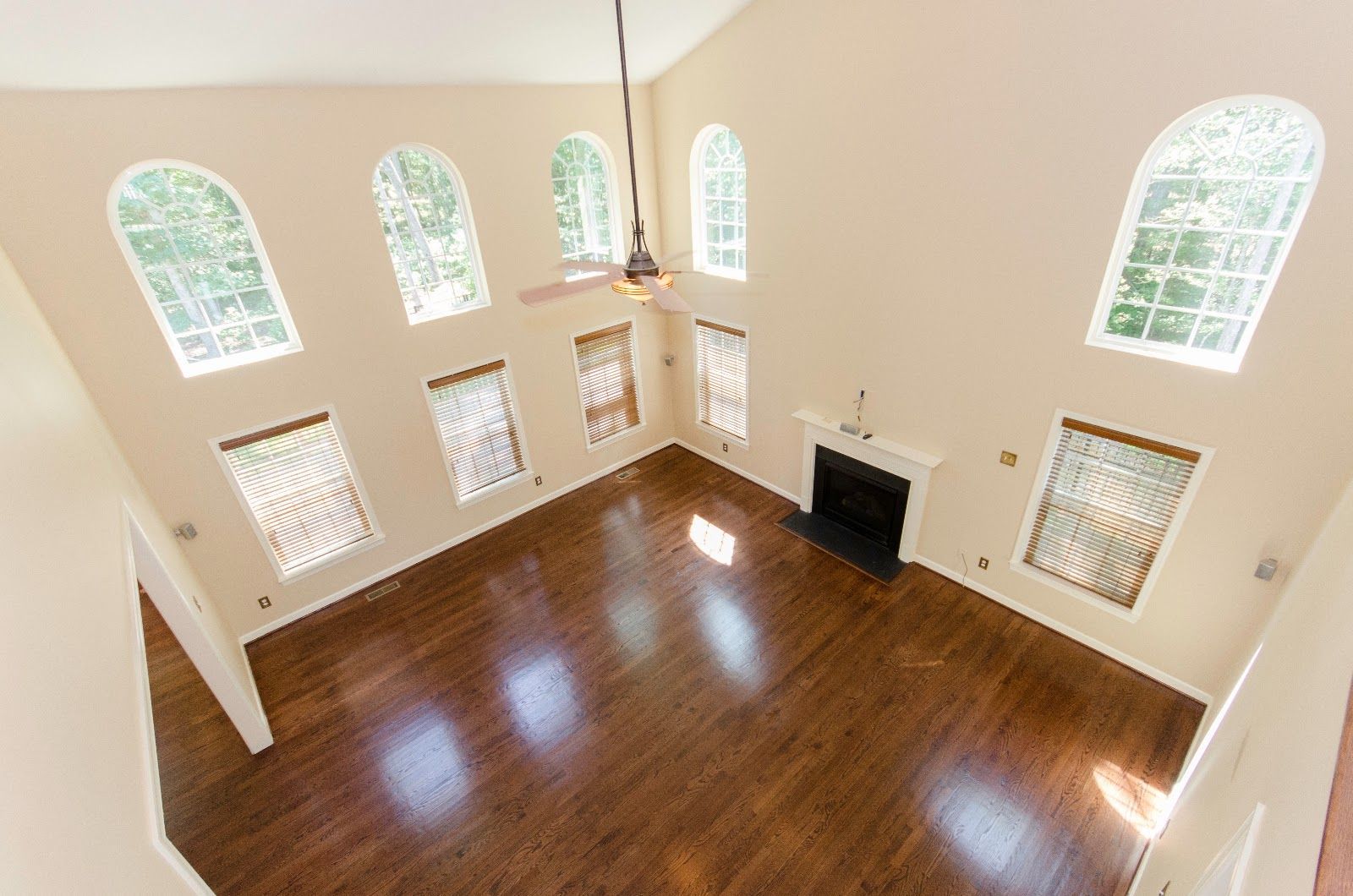
Allow breathing room. Negative space helps highlight what actually matters and gives your home a more refined, intentional look.
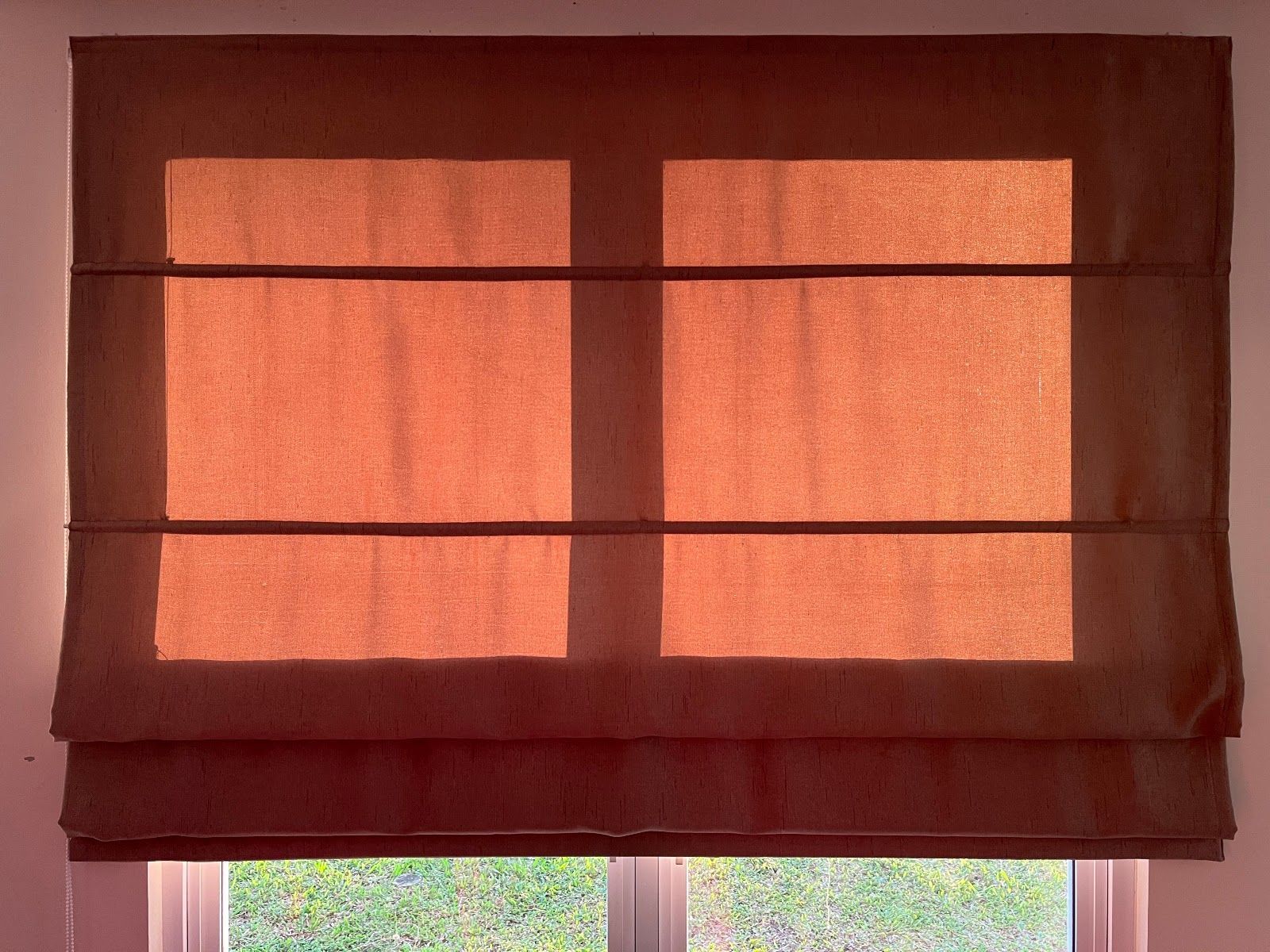
4. Curtains That Break the Visual Flow
Curtains are often underestimated, but they strongly affect how tall and polished a room feels.
Short curtains or ones hung too low can visually shrink your space.
What works better:
Hang curtains closer to the ceiling and let them fall naturally. This simple adjustment can make your room feel taller and more finished.
5. Lack of a Clear Visual Anchor
When everything in a room competes for attention, nothing stands out.
That’s when a space starts to feel confusing rather than cohesive.
What works better:
Decide what you want the eye to notice first—a piece of art, a sofa, a feature wall—and let everything else support that focal point.
6. Matching Everything Too Perfectly
A perfectly matched room might sound ideal, but in reality, it often feels flat and impersonal.
Real homes have variation.
What works better:
Mix materials, finishes, and textures. Contrast adds depth and makes your space feel more lived-in and authentic.
7. Ignoring the Role of Texture
Even with a good color palette, a space can feel dull if everything has the same finish.
Flat surfaces create a flat experience.
What works better:
Layer textures—soft fabrics, natural wood, metal accents, and woven elements. Texture brings warmth and dimension without adding clutter.
8. Pushing Furniture Against Walls
This is a common instinct, especially in smaller spaces—keeping everything against the walls to “create space.”
Ironically, it often does the opposite.
What works better:
Float some pieces slightly inward. Create zones or conversation areas. This makes the space feel more intentional and functional.
9. Designing for Looks, Not Living
A space that looks perfect but doesn’t function well will never feel comfortable.
And over time, that discomfort becomes noticeable.
What works better:
Design around your lifestyle. A beautiful home should support how you actually live, not just how it looks in photos.
10. Forgetting to Add Yourself to the Space
A home without personality can feel like a showroom—clean, but disconnected.
What works better:
Include elements that reflect you. Books, travel pieces, personal photos, or even small details that tell your story.
That’s what turns a styled space into a meaningful one.
Simple Shifts That Instantly Improve Your Space
- Adjust your lighting instead of adding more décor
- Re-evaluate the size and placement of key pieces
- Remove a few unnecessary items rather than adding new ones
- Introduce texture before introducing color
- Focus on flow, not just individual corners
Final Thoughts
Most homes don’t need a complete redesign—they need a more thoughtful approach.
When you fix the hidden mistakes ruining your home aesthetic, something interesting happens.
The same furniture, the same walls, the same décor… suddenly feel different.
More balanced. More intentional. More complete.
Because good design isn’t always about doing more.
It’s about understanding what’s not working—and quietly fixing it.
Share This Blog