Why Does Furniture Wear Out Faster in Edmonton Homes?
Buying new pieces for your house is always exciting until you notice the fabric fading and the joints squeaking just a few years later. Homeowners often wonder why their couches, tables, and chairs seem to break down so fast compared to what they see in magazines or on television. The truth is that furniture wear in Edmonton homes happens at an accelerated rate due to specific environmental factors unique to our region. At Flaunt Interiors & Real Estate, we see the damage firsthand when clients come to us looking for replacements that will actually survive local conditions.
The dry air, intense sunlight, and extreme temperature shifts take a heavy toll on both wood and upholstery. Understanding exactly what is attacking your furnishings is the first step to making smarter buying choices and protecting the investments you already have. We want to break down the real reasons your items are aging prematurely. With a little trade knowledge, you can extend the life of your pieces and stop throwing money away on replacements.
What We Cover
- The Impact of Extreme Dryness on Wood
- How Sunlight Degrades Upholstery
- Why DIY Fixes Often Ruin Good Furniture
- Protecting Your Investment
The Impact of Extreme Dryness on Wood
Alberta is famous for its exceptionally dry climate. When you bring solid wood furniture into this environment, the wood naturally loses its internal moisture content to match the surrounding air. This rapid drying process causes the material to shrink, which puts immense stress on glued joints, veneers, and solid panels. Eventually, the tension becomes too great, and the wood cracks or the joints pull apart entirely.
→ A quick tip to remember: Running a whole-home humidifier during the winter months is the single most effective way to keep wooden frames from splitting.
Many mass-produced items are manufactured in humid regions and shipped here without any acclimatization. By the time they sit in your heated living room for a single winter, the structural integrity is compromised. We always advise clients to look for kiln-dried wood frames when selecting custom furnishings because they are far more stable in our arid climate.
Why do furnishings deteriorate quickly in Edmonton homes?
Aside from low humidity, the constant cycling of indoor heating and cooling creates a challenging environment for any material. Furnace heat creates localized dry zones that bake nearby upholstery and wood. Meanwhile, the dust circulating through standard forced-air systems acts like an abrasive. Every time you sit on a fabric sofa, those microscopic dust particles grind against the fibers, wearing them thin much faster than they would in a less dusty region.
How Sunlight Degrades Upholstery
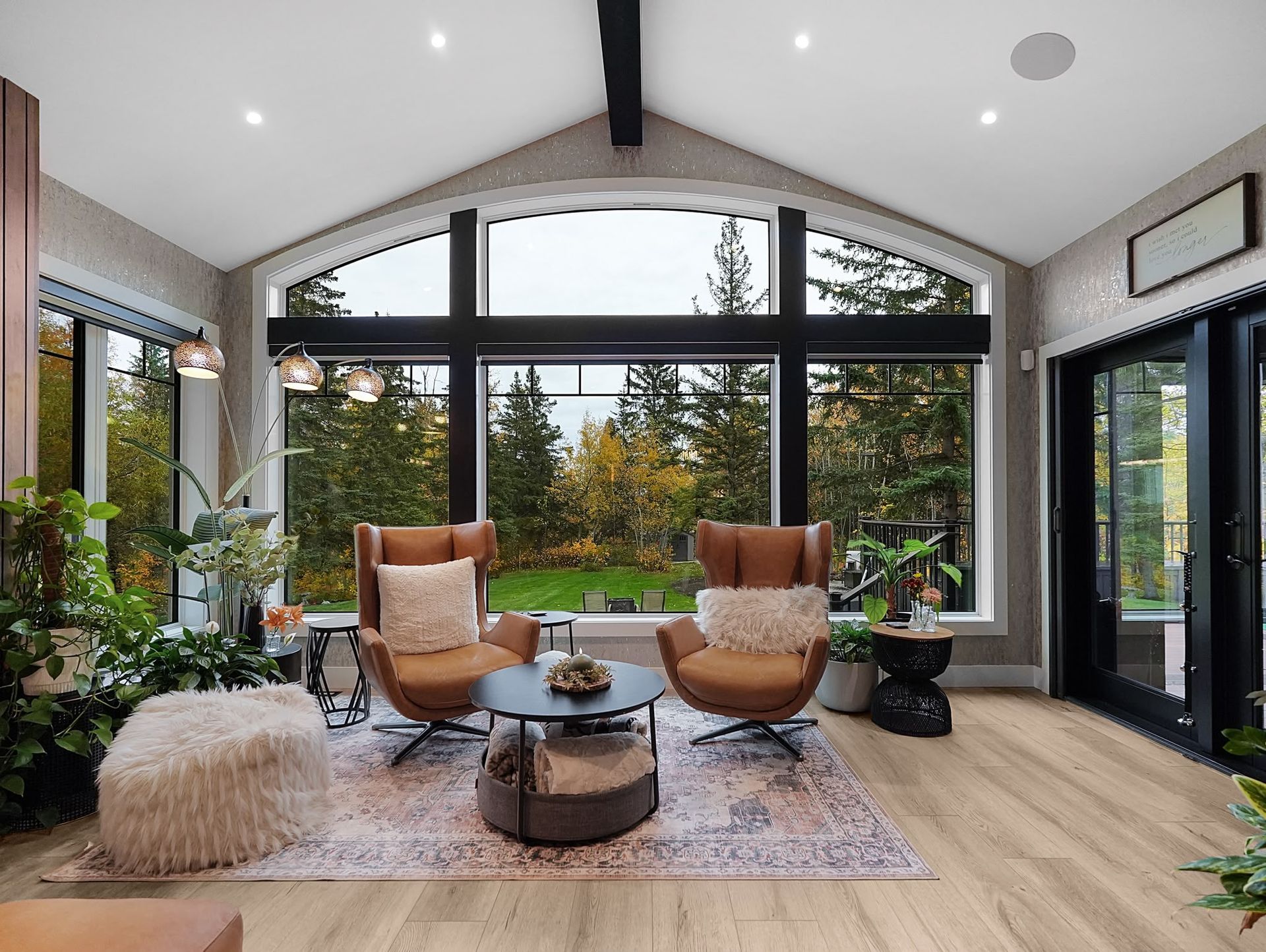
Our long summer days bring glorious sunshine, but those UV rays are brutal on fabrics and leather. Direct sunlight acts as a slow bleaching agent, breaking down the chemical bonds in textile dyes. Within a year or two, a vibrant blue sofa sitting by a south-facing window can turn into a patchy, dull grey. The heat from the sun also dries out leather, leading to cracking and peeling that no amount of conditioner can reverse.
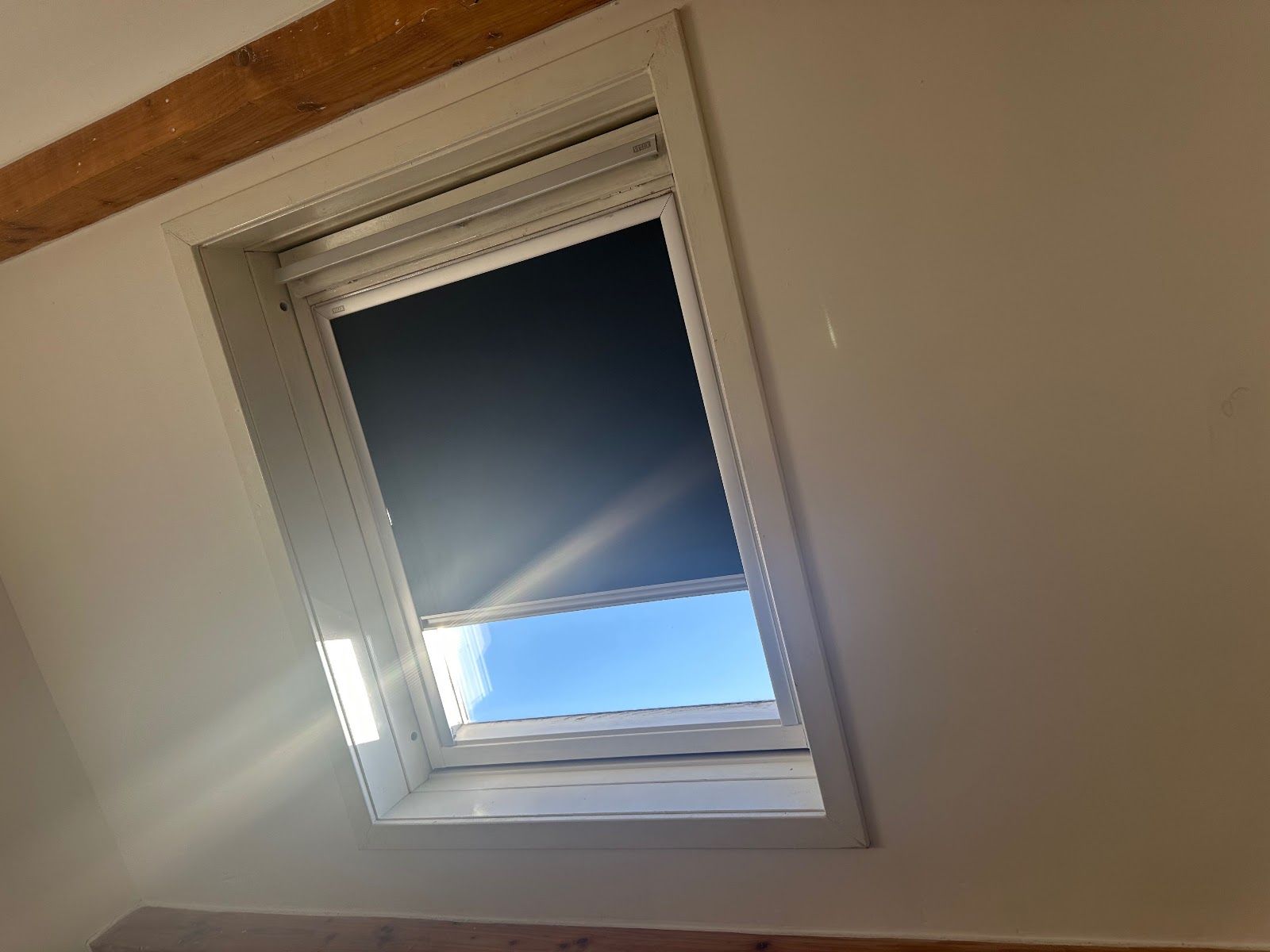
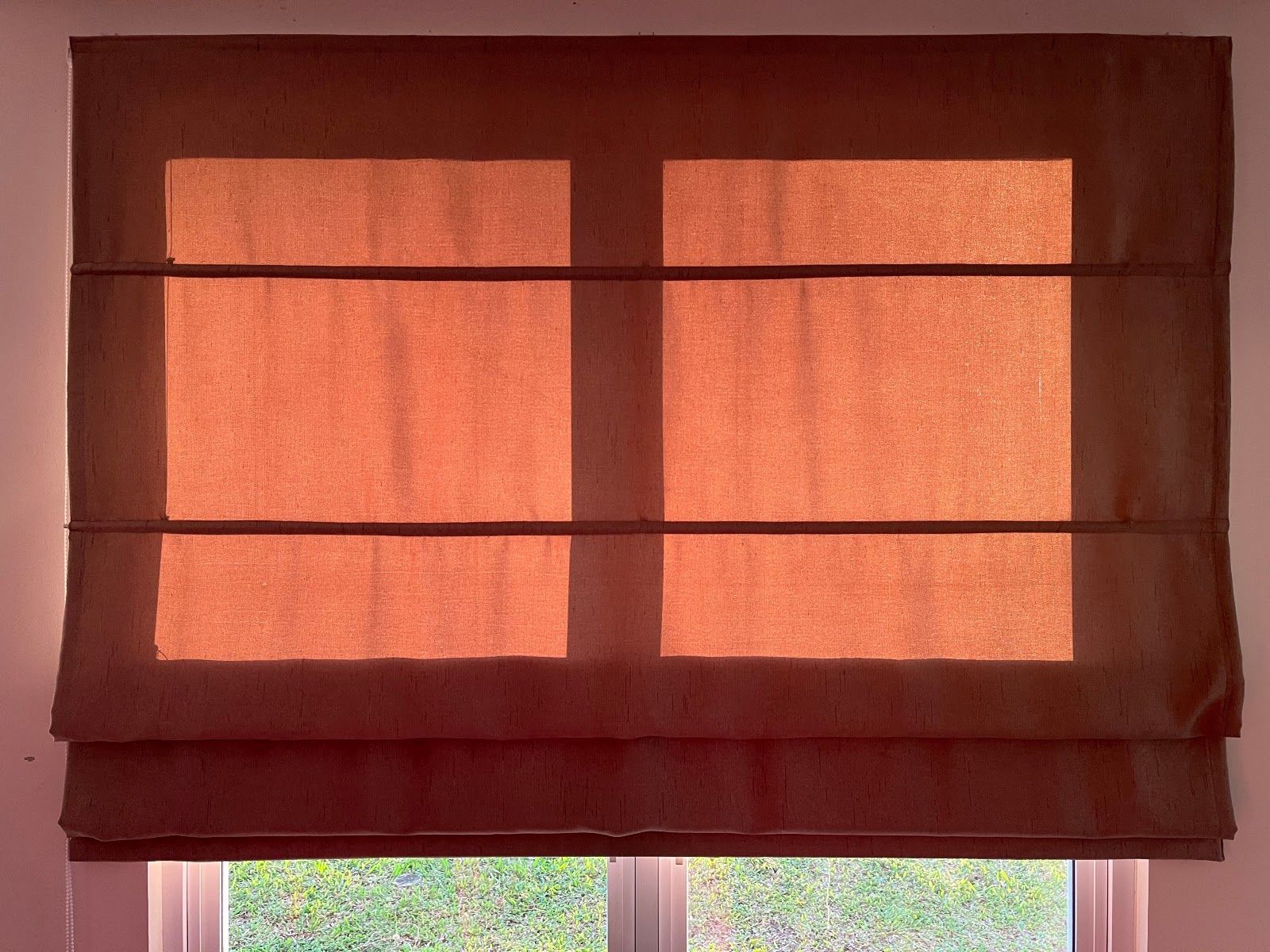
→ From a professional standpoint: Installing proper window treatments like custom-manufactured blinds blocks harmful UV rays while letting ambient light filter in.
Even synthetic blends are not entirely immune to sun damage. If you cannot move your pieces out of direct light, you have to prioritize UV-resistant materials or invest in high-quality window coverings. Taking these preventative steps early stops the degradation before it becomes noticeable.
Why DIY Fixes Often Ruin Good Furniture
When a chair starts wobbling or a couch cushion sags, many homeowners reach for wood glue or extra foam from the hardware store. Applying generic wood glue over an old, dried-out joint prevents professional-grade adhesives from binding later on. Driving screws into a loose frame often splits the dried wood completely, turning a simple repair into a total loss.
Attempting to spot-clean faded or worn upholstery with harsh chemical sprays usually strips the remaining protective coatings off the fabric. This leaves the area even more vulnerable to dirt and friction. If a piece is starting to fail, consult with a professional who understands material chemistry and structural load before attempting a weekend repair project.
Protecting Your Investment
You do not have to accept rapid deterioration as a fact of life. Making strategic choices about materials and managing your indoor environment makes a massive difference. Focus on maintaining consistent humidity, blocking direct UV exposure, and selecting pieces built for local conditions rather than just visual appeal.
We know how frustrating it is to replace things prematurely. Taking control of your indoor climate and investing in durable goods saves you money and hassle in the long run. Reach out to our team when you are ready to find pieces that can truly handle the local elements.
Share This Blog