Commercial Interior Design: How Smart Spaces Shape Better Businesses
Think about the last office, store, or workspace that really impressed you. It probably wasn’t just the furniture or the wall colours. It was how the space felt. Easy to move through. Comfortable to stay in. Designed with purpose.
That’s the real power of commercial interior design. It quietly influences how people work, shop, meet, and connect—every single day.
More Than Design, It’s a Business Tool
Commercial interior design is often misunderstood as just making spaces look professional. In reality, it’s a strategic tool that supports how a business operates.
A well-designed commercial space:
- Helps employees stay focused and comfortable
- Creates positive first impressions for clients
- Improves workflow and efficiency
- Reflects the company’s values and culture
When design aligns with business needs, the space starts working for you.
Understanding People Before Designing Spaces
Good commercial interior design always begins with people. Designers look closely at how a space is actually used—not how it looks in photos.
Questions that matter include:
- How do employees move during the day?
- Where do people gather, meet, or wait?
- What areas need quiet focus versus collaboration?
By understanding behavior, designers create spaces that feel natural instead of forced.
Balancing Comfort With Professionalism
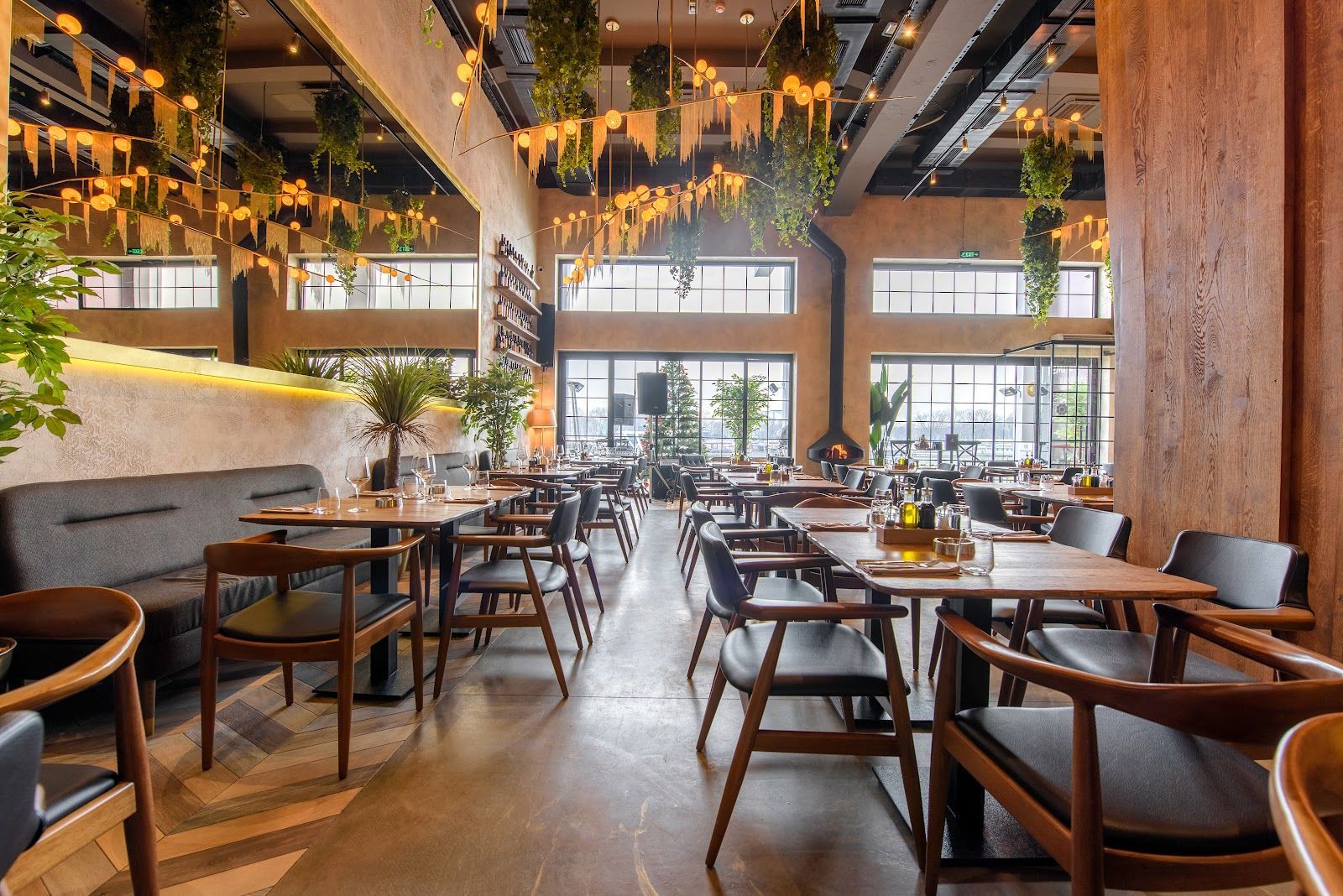
One of the biggest shifts in commercial interior design is the focus on comfort. Today’s workspaces and commercial environments are expected to feel welcoming—not stiff or intimidating.
This balance is achieved through:
- Thoughtful furniture placement
- Warm lighting instead of harsh overhead lights
- Natural materials and textures
- Breakout areas that encourage interaction
Comfort doesn’t reduce professionalism—it strengthens it.
The Role of Colour, Light, and Materials
Every design choice sends a message.
- Colours influence mood and energy
- Lighting affects focus and productivity
- Materials impact durability and maintenance
Smart commercial interior design uses these elements carefully to support both function and atmosphere. A retail store may use energizing tones, while an office might rely on calming neutrals.
Design That Can Grow With the Business
Businesses evolve—and their spaces should too.
Flexible layouts, modular furniture, and adaptable zones allow commercial interiors to change without major renovations. This future-ready approach saves time, cost, and stress as teams expand or shift.
Why Details Matter More Than You Think
It’s often the small details that elevate a commercial space:
- Clear signage that improves navigation
- Acoustic solutions that reduce noise
- Storage that keeps spaces uncluttered
These thoughtful touches improve daily experience and make a space feel well-planned and professional.
Final Thoughts
Commercial interior design is not about trends or decoration alone. It’s about designing environments that support people, productivity, and purpose.
When a commercial space is designed thoughtfully, it becomes more than a workplace or storefront—it becomes a place where people want to be.
And that’s when design truly adds value.
Share This Blog