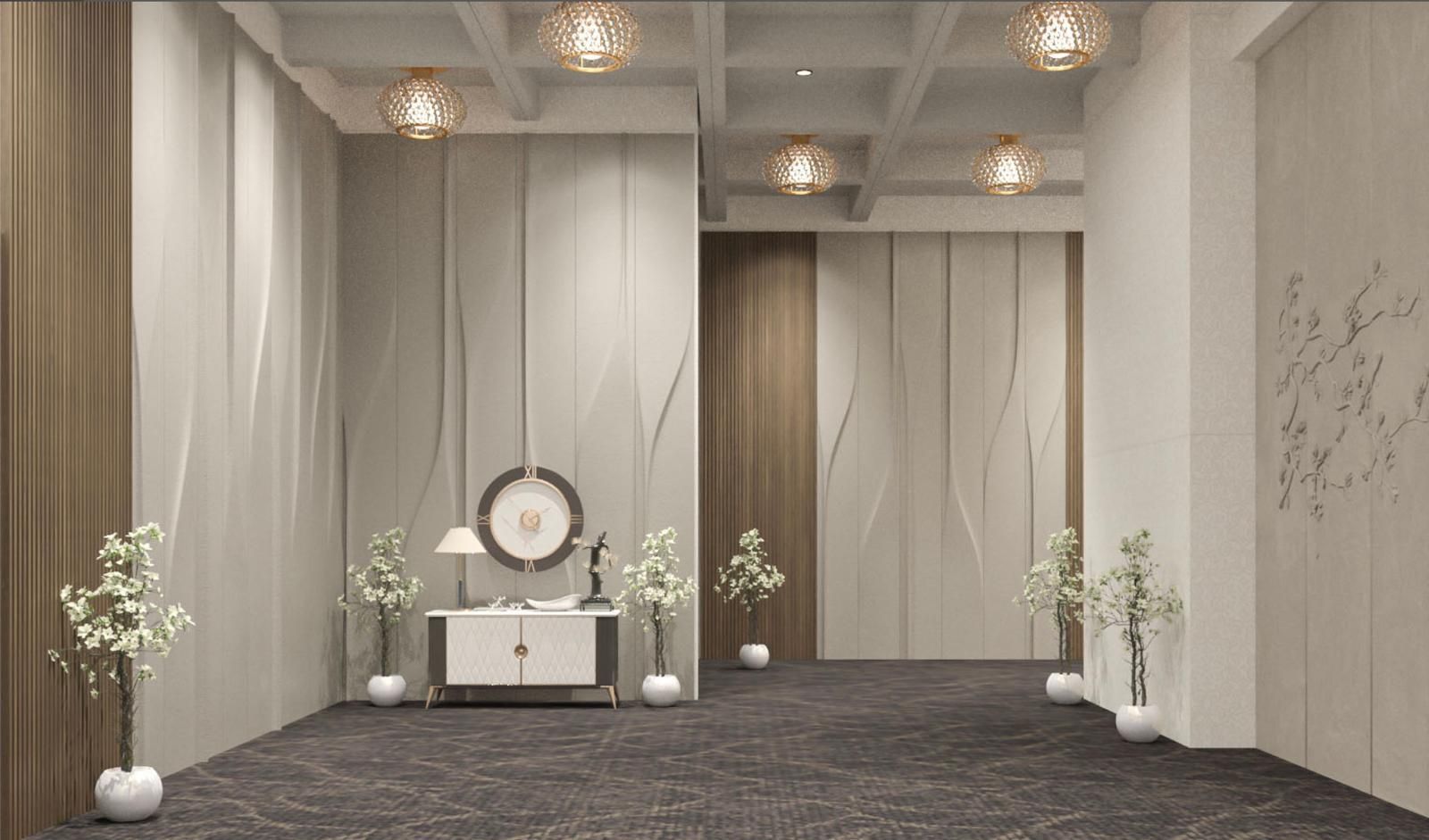
Hospitality Design: Creating Spaces Guests Remember Long After They Leave
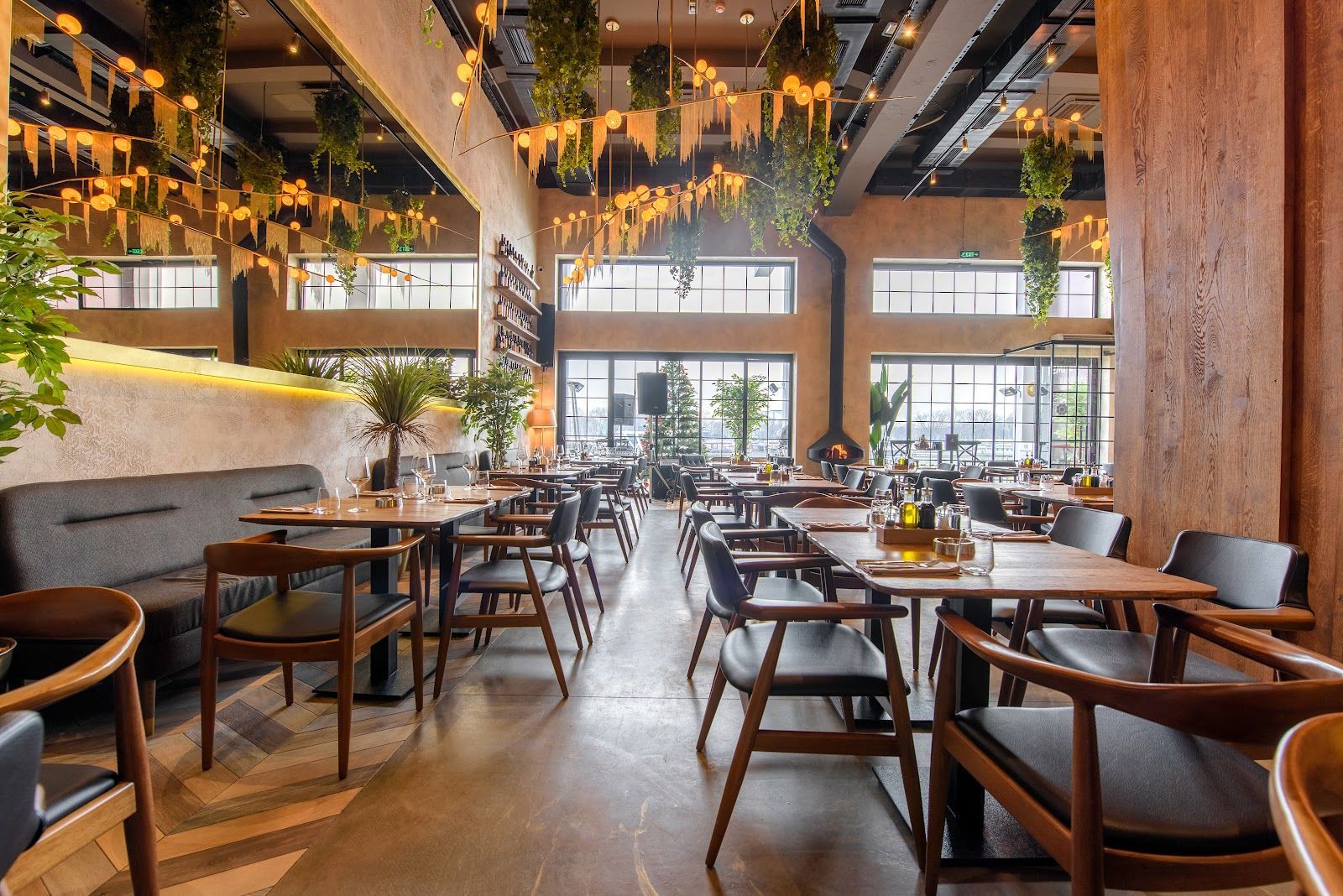
When someone walks into a hotel lobby, restaurant, or café, they don’t consciously analyze the design—but they feel it. If the space feels welcoming, comfortable, and effortless, they relax. If it doesn’t, they leave sooner than planned. That’s the quiet power of hospitality design.
Hospitality design is not just about making a place look good. It’s about shaping how people move, feel, and connect within a space.
Understanding Hospitality Design Beyond Aesthetics
At its core, hospitality design is the balance between experience and function. It combines interior design, spatial planning, lighting, and materials to support both guests and staff.
Good hospitality design focuses on:
- Creating comfort without clutter
- Guiding people naturally through a space
- Supporting smooth daily operations
- Reflecting the brand’s personality
When design works well, guests don’t notice it—they enjoy it.
Why Guest Experience Starts With Design
In hospitality spaces, first impressions form instantly. The height of the ceiling, the warmth of the lighting, and the way furniture is arranged all send signals.
Thoughtful hospitality design answers questions guests don’t even ask:
- Where should I go?
- Is this place welcoming?
- Do I feel comfortable staying here?
Design that answers these questions quietly builds trust and ease.
Designing for People, Not Just Pictures
A common mistake in hospitality design is focusing only on how a space looks in photos. Real success comes from designing for real use.
That means thinking about:
- Seating comfort over long periods
- Clear pathways and easy circulation
- Durable materials that age well
- Lighting that works day and night
This human-first approach is central to the philosophy of Flaunt Interiors & Real Estate, where design decisions are guided by how spaces are actually lived in and experienced.
How Design Influences Mood and Behaviour
Colour, texture, and lighting play a powerful role in hospitality design.
- Warm tones make people feel relaxed and welcome
- Soft textures create comfort and intimacy
- Well-planned lighting sets the emotional tone
These elements subtly influence how long guests stay, how comfortable they feel, and whether they return.
The Business Value of Good Hospitality Design
Great hospitality design doesn’t just enhance aesthetics—it supports business goals.
Well-designed spaces can:
- Encourage guests to stay longer
- Improve customer satisfaction
- Strengthen brand recognition
- Increase repeat visits
This is why hospitality design is seen as an investment, not an expense. Firms like Flaunt Interiors & Real Estate understand that strong design directly impacts how a hospitality brand performs in the real world.
Designing Spaces With Identity and Purpose
Today’s guests are drawn to spaces that feel authentic. Hospitality design is most successful when it tells a story—whether through local influences, thoughtful details, or a consistent brand voice.
When a space has identity, guests remember it. When it has purpose, they return.
Final Thoughts
Hospitality design is about more than visuals. It’s about people, movement, comfort, and emotion. It’s the invisible layer that shapes every guest experience.
When done thoughtfully, hospitality design doesn’t just fill a space—it gives it life.
And that’s what turns a simple visit into a lasting connection.
Share This Blog