Design Hotels: Where Creativity, Comfort, and Experience Come Together
Travel has changed. Today, people don’t just book a place to sleep — they look for places that inspire them. That’s why design hotels have become one of the most talked-about trends in modern hospitality.
A design hotel isn’t just about stylish furniture or beautiful walls. It’s about creating an experience. From the moment guests walk through the door to the moment they check out, every detail is carefully planned to leave a lasting impression.
What Are Design Hotels?
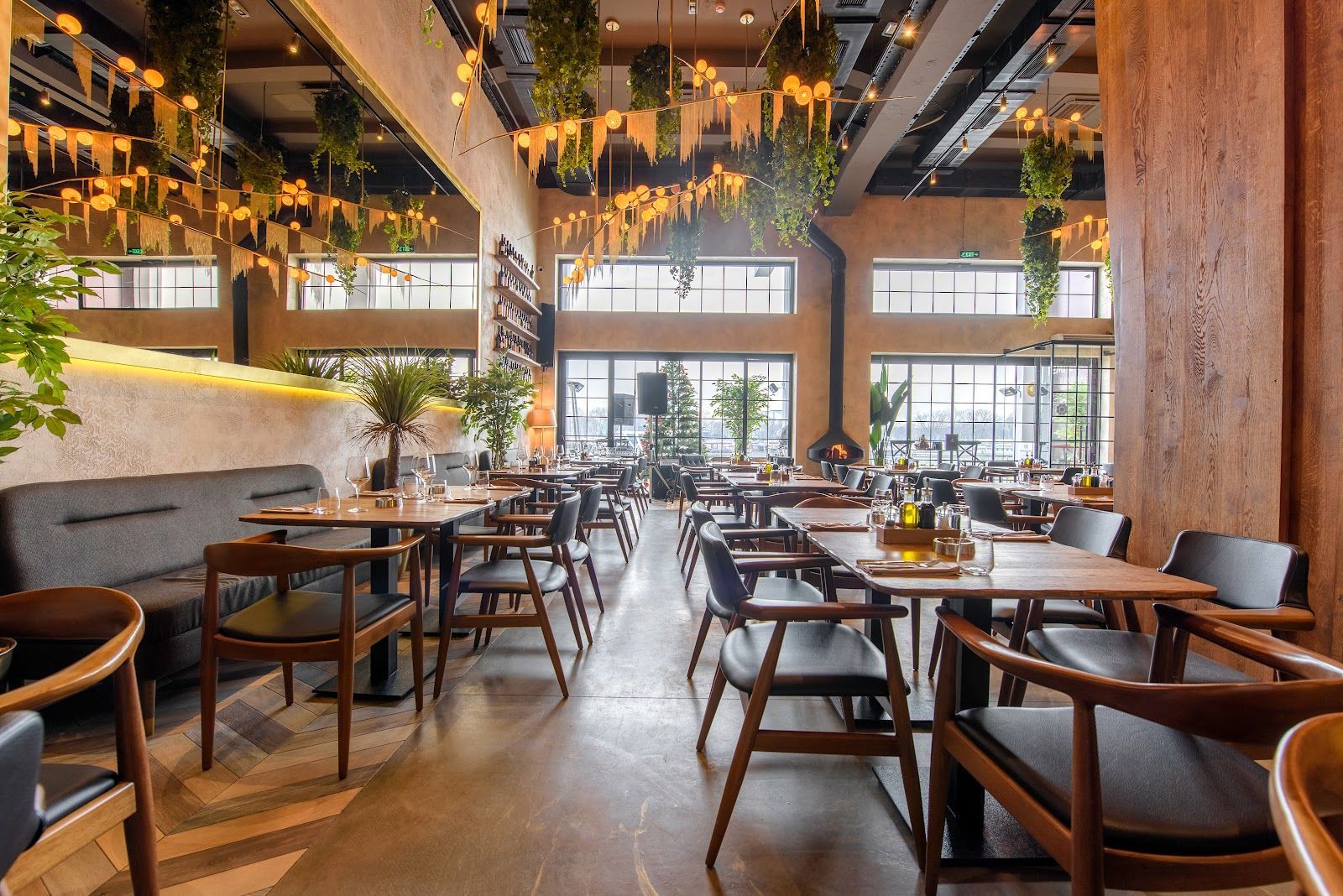
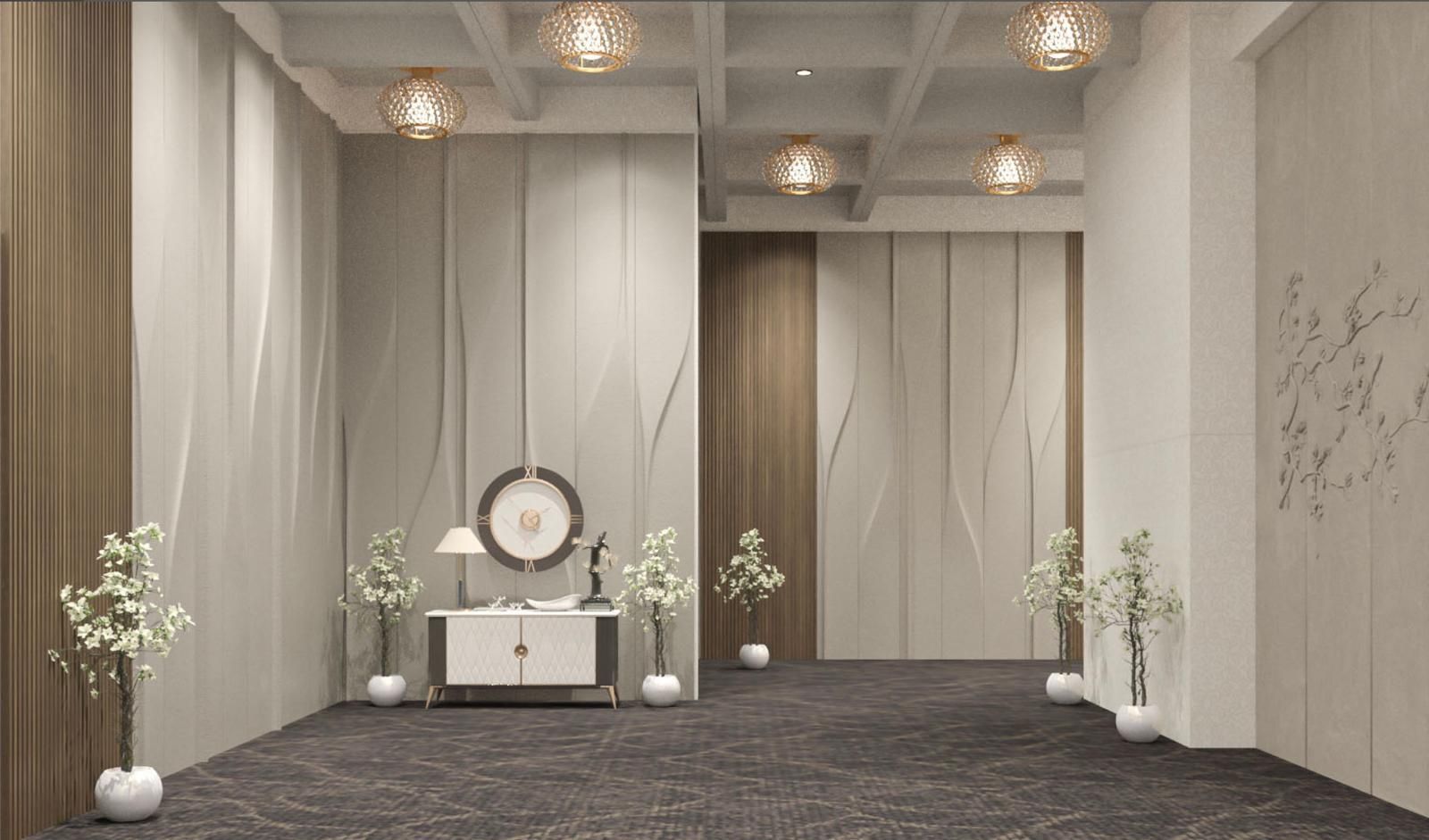
Design hotels are hospitality spaces where architecture and interior design play a central role in shaping the guest experience. These hotels focus on originality, strong visual identity, and thoughtful spatial planning.
Unlike traditional hotels that often follow predictable layouts, design hotels aim to stand out. They combine:
- Unique architectural concepts
- Carefully curated interiors
- Innovative lighting design
- Custom furniture and materials
- A strong brand personality
The result? A hotel that feels memorable, not generic.
Why Design Hotels Are Growing in Popularity
Modern travelers are looking for more than comfort — they want connection and character. Social media has also played a big role in this shift. Beautifully designed spaces encourage guests to share their experiences, which naturally increases visibility and brand recognition.
Design hotels appeal to guests because they:
- Offer immersive environments
- Reflect local culture and creativity
- Feel personalized rather than standardized
- Create strong emotional impact
In short, people want to stay somewhere that feels special.
The Core Elements of Successful Hotel Design
To create a successful design hotel, aesthetics alone are not enough. It requires a balance between beauty and functionality.
1. Story-Driven Concept
Every strong design hotel begins with a story. Whether inspired by local heritage, modern minimalism, or artistic expression, the concept guides every design decision.
2. Intelligent Space Planning
Good hotel design ensures smooth movement between spaces — from reception to rooms, restaurants, and lounges. Flow and comfort are just as important as style.
3. Atmosphere Through Lighting
Lighting in design hotels is layered and intentional. It sets the mood in lobbies, enhances comfort in guest rooms, and creates ambiance in dining areas.
4. Material Selection
Natural materials, textures, and high-quality finishes add depth and character while ensuring durability.
5. Guest-Centered Comfort
No matter how artistic a hotel looks, it must still prioritize rest, privacy, and functionality. Comfort remains non-negotiable.
The Business Advantage of Design Hotels
From a business perspective, investing in hotel design is strategic.
Well-designed hotels often:
- Attract design-conscious travelers
- Command higher room rates
- Strengthen brand identity
- Encourage repeat bookings
- Generate organic marketing through guest photos
In a competitive hospitality market, strong design becomes a powerful differentiator.
Design Hotels and the Future of Hospitality
The future of hospitality is experience-driven. Guests now expect environments that are visually inspiring, comfortable, and emotionally engaging.
Design hotels are leading this evolution by blending:
- Architecture with storytelling
- Modern comfort with local identity
- Innovation with timeless aesthetics
They prove that great design isn’t just decoration — it’s a key part of the guest journey.
Final Thoughts
Design hotels represent more than a trend. They reflect a shift in how we travel and how we value spaces. By combining creativity, functionality, and emotional impact, they transform ordinary stays into unforgettable experiences.
For hospitality brands looking to stand out, investing in thoughtful hotel design is no longer optional — it’s essential.
✨ Because today, guests don’t just remember where they stayed.
They remember how it made them feel.
Share This Blog